The order of empires and the status of money are inseparable, and the relentless growth of USDT suggests the rise of a massive digital financial empire.
This article reviews 20 companies recently invested in by Tether and examines Tether’s strategy for building a digital financial empire.
Tether consistently follows a strategy of 1) securing trust through Bitcoin and gold, 2) strategic expansion across every continent in the world, and 3) improving retail and institutional accessibility through services and products.
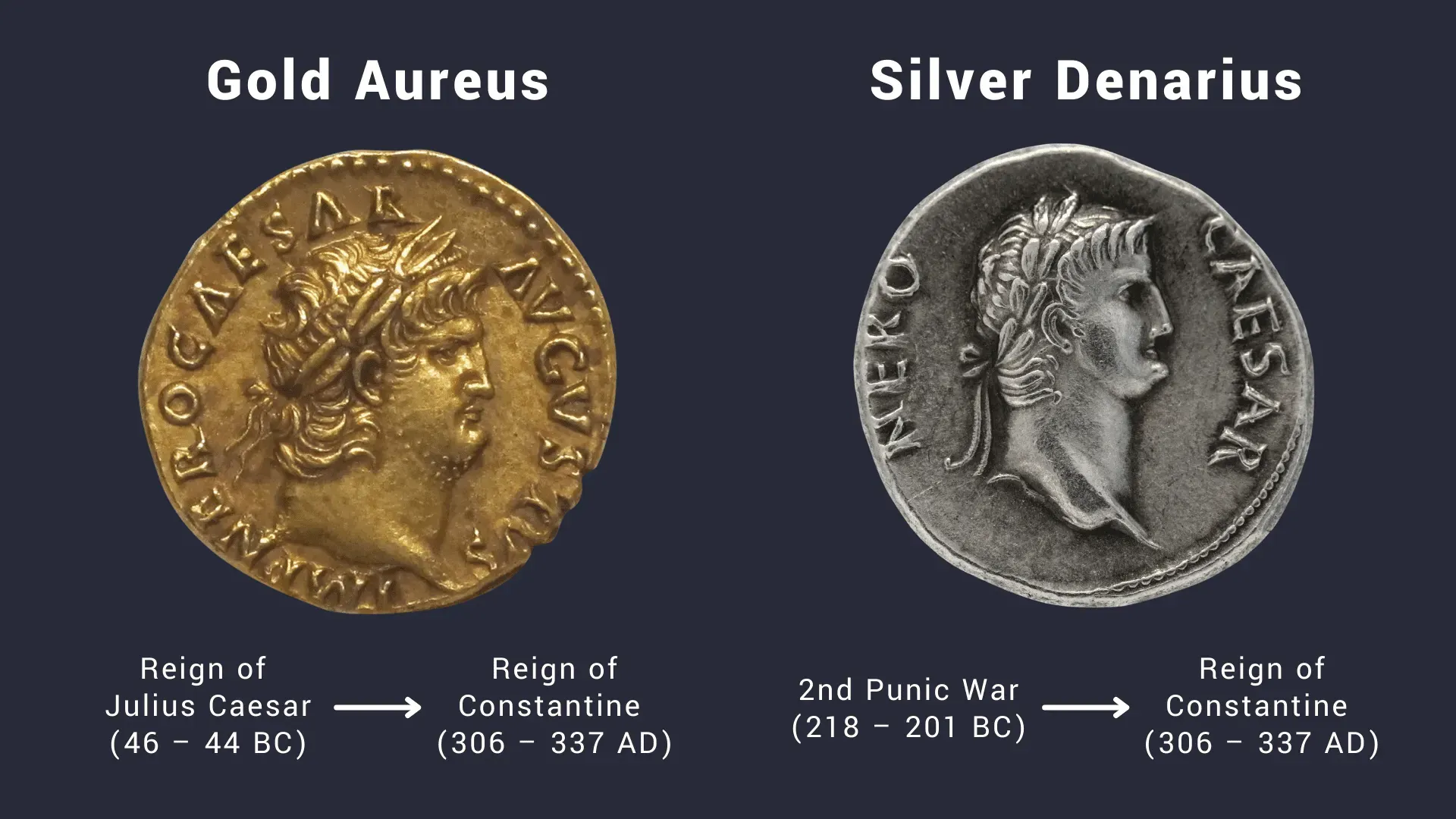
Source: Dyken Wealth Strategies
Money is a commonly accepted medium of exchange and unit of value in everyday life. Yet from the perspective of empire, the role of money goes far beyond simple transactions and can be understood as a tool of power that encompasses political, cultural, and social functions. Throughout the history of empires, money has played the following additional roles:
Symbol of imperial order: Figures engraved on coins or imperial emblems visually embody the authority of the empire, serving as tokens that display the imperial order to users.
Tool of imperial control: By concentrating the authority to mint and distribute currency at the center, outer regions become dependent on the monetary system of the central empire, reinforcing the imperial order.
Standardization of resource aggregation: Empires accumulated regional resources through taxes and tributes, and money served as the key medium that standardized and transported these resources.
Without a single exception, the status of money has always moved in lockstep with the status of the empire. When an empire grew and reached its peak, its currency became powerful and sustained the empire. When an empire declined, the status of its currency fell as well, accelerating the empire’s downfall.
Today, words like “empire” or “colony” have long disappeared, yet we are far from free of such concepts. The United States plays the role of an empire backed by strong economic and military power, and the dollar already functions as the world’s currency.
Many countries outside the US have attempted to challenge the dominance of the dollar in modern society, but all have failed. The dollar accounts for roughly 57% of global foreign exchange reserves, and around 50% of SWIFT international settlements, firmly securing its status.
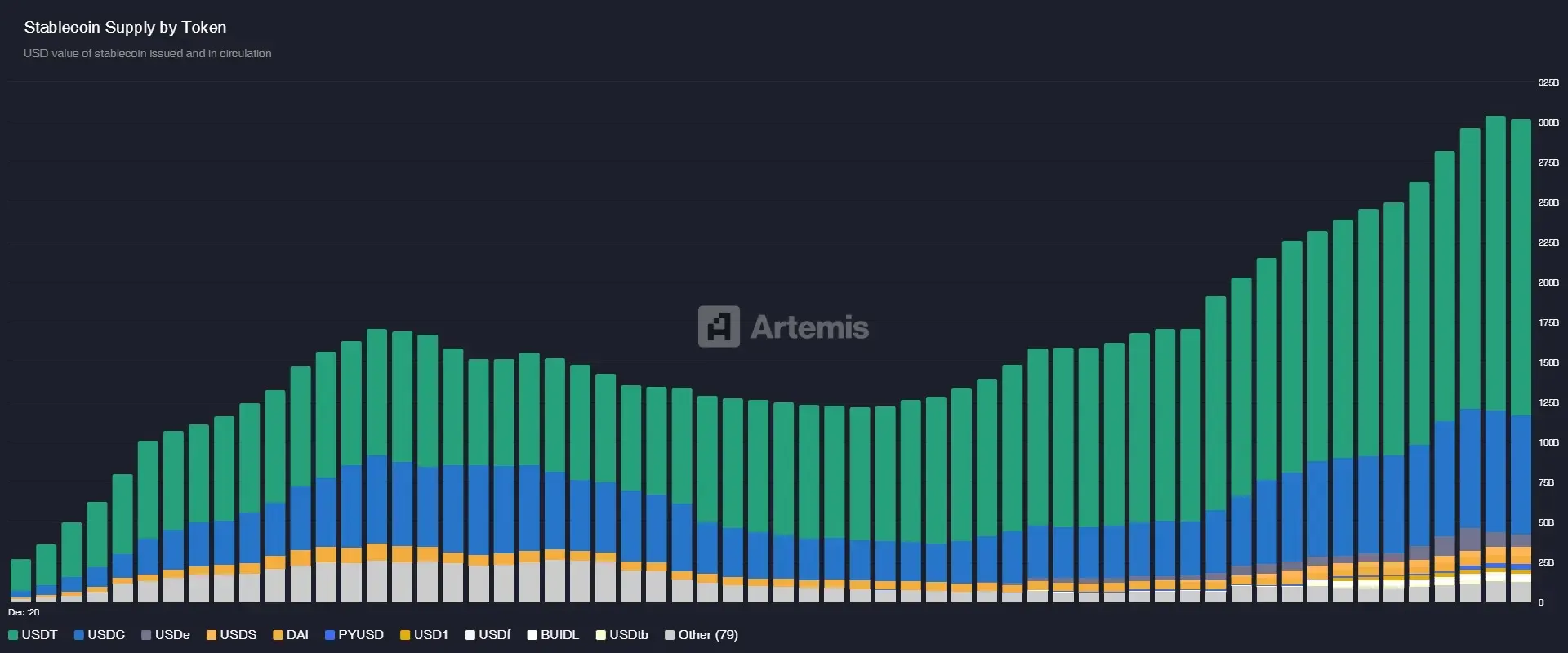
Source: Artemis
As IT technology advanced, much of the global economy moved onto the internet. With the emergence of blockchain technology making it possible to safely use money online, the onchain economy grew rapidly, and stablecoins, the currencies used onchain, expanded quickly to a scale of roughly $300B.
Among the many stablecoins, the one most worth paying attention to is Tether’s USDT. USDT allowed people in numerous countries with highly unstable fiat currencies to easily access the dollar, the currency of the empire. Even without credit or a bank account, anyone with an internet-connected mobile device could access dollars easily. This opened the door for USDT to grow rapidly, especially in developing and third world countries.
Even more notable is the fact that despite the passage of the GENIUS Act and the gradual integration of blockchain into the regulatory mainstream, USDT’s market share has not significantly decreased. USDT’s share remains above 60 percent, more than twice that of USDC, which is in second place.
Tether is building its own vast empire, powered by the strong currency known as USDT. But building an empire is never easy.
Although USDT is pegged to the dollar, its reserves include not only cash, US Treasury bills, and repos, which are highly liquid cash-equivalent assets, but also assets with relatively lower stability, such as precious metals, Bitcoin, government bonds from countries other than the United States, and corporate bonds. In major countries where stablecoin regulatory frameworks have been established, these types of assets are not legally acceptable as reserves.
Indeed, under the EU’s MiCA regulatory framework, USDT failed to meet several of the conditions for EMT (e-money tokens), the category that covers stablecoins. As a result, exchanges operating in Europe delisted USDT, effectively pushing USDT out of use within the EU.
But Tether does not back down. As a company, Tether acquires equity stakes by investing in various startups and corporations, and sometimes donates to nonprofit organizations. By examining these actions, we can infer the direction Tether has chosen and how it seeks to build a massive digital financial empire. Let us look at Tether’s investment cases to understand how it is overcoming the challenges of empire building.
Tether is a company that attracts the full attention of the crypto community. This is understandable because Tether is the issuer of USDT, the largest stablecoin, and is also known as the company with the highest revenue per employee in the world.
Nevertheless, the crypto community does not seem as interested in Tether’s startup and corporate investment activities. More precisely, people are only deeply interested in protocols that issue tokens backed by Tether. Representative examples are Stable and Plasma, chains specialized for USDT. However, these two projects were not directly invested in by Tether but by related entities such as Bitfinex, USDT0, and Tether CEO Paolo Ardoino.
Tether is very active in corporate investment, but most of the companies it invests in do not issue tokens and do not carry strong regional identities, so these investments do not attract much attention from the crypto community. Even so, looking at Tether’s investment cases reveals clues about the direction Tether aims to pursue.
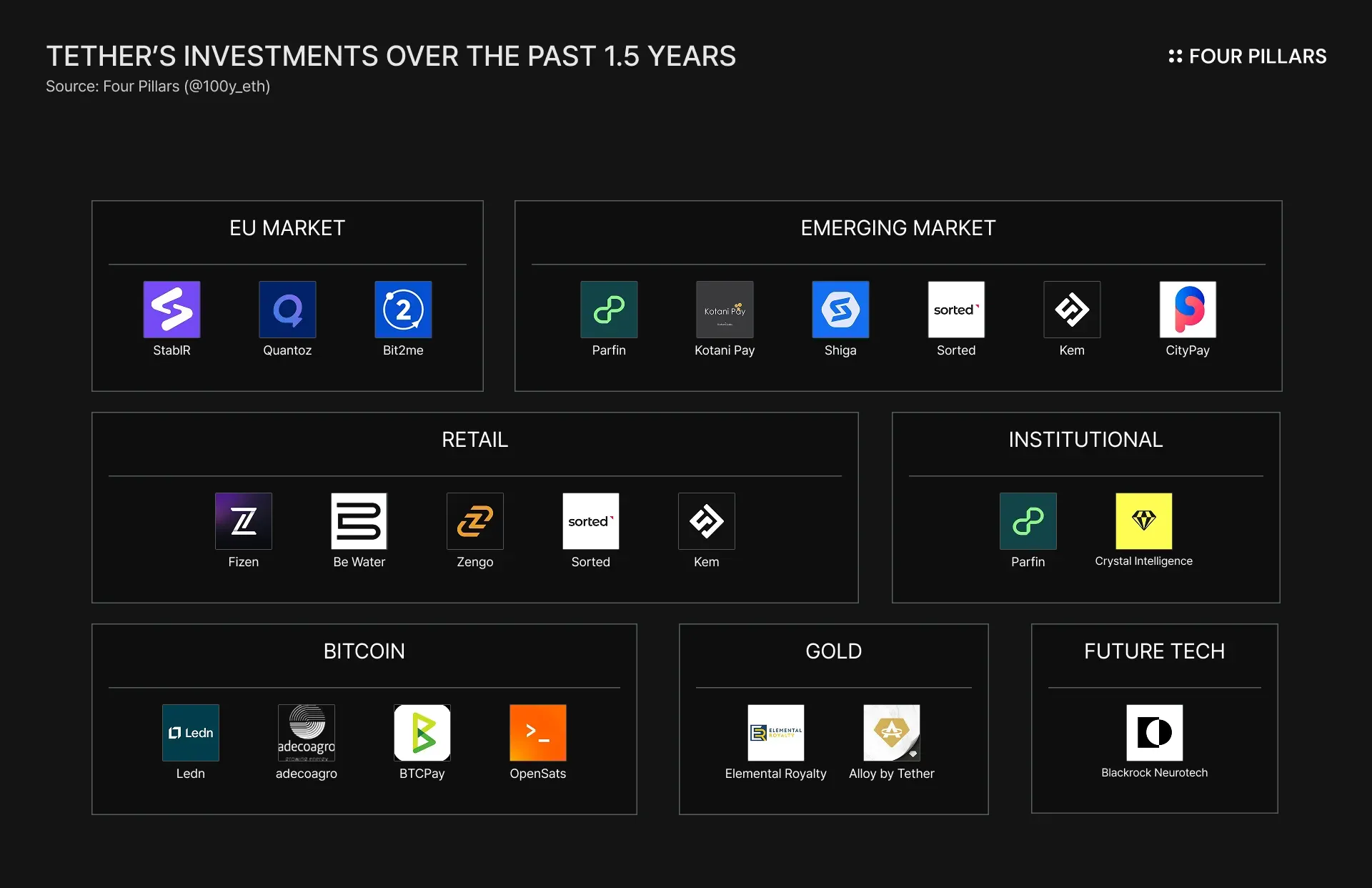
Tether announces its investments through the newsroom on its website. After analyzing about a year and a half of investment announcements, I was able to extract the following key themes:
Europe market: Although USDT has effectively been pushed out of the EU, Tether seeks to gain exposure to the European market by investing in issuers and platforms within Europe.
Emerging markets: USDT’s PMF has already been proven in emerging markets. Tether is strategically expanding its influence in these regions.
Retail: Tether invests in various non custodial wallet developers to ensure retail users can easily access USDT.
Institutional: Beyond retail and emerging markets, Tether also invests in enterprise oriented solution providers to help institutions access USDT more easily.
Bitcoin: Tether has consistently invested in BTC and the broader Bitcoin ecosystem.
Gold: Tether views gold, alongside BTC, as an important geopolitical asset and is accelerating a dual axis strategy centered on Bitcoin and gold.
Future technologies: Tether invests not only in currency related businesses but also in advanced technologies that contribute to human society.
These themes reflect the coherent strategic direction of the digital financial empire Tether aims to build.
StablR
Source: StablR
StablR is a MiCA compliant stablecoin issuer registered in Malta, issuing EURR pegged to the euro and USDR pegged to the dollar. Along with receiving investment, StablR plans to use Tether’s tokenization platform Hadron. Hadron is a SaaS platform designed to easily tokenize a wide range of assets including stocks, bonds, commodities, and stablecoins, with strong capabilities in supporting full token life cycle management, KYC, AML, monitoring, and other regulatory compliance infrastructure.
Quantoz
Source: Quantoz
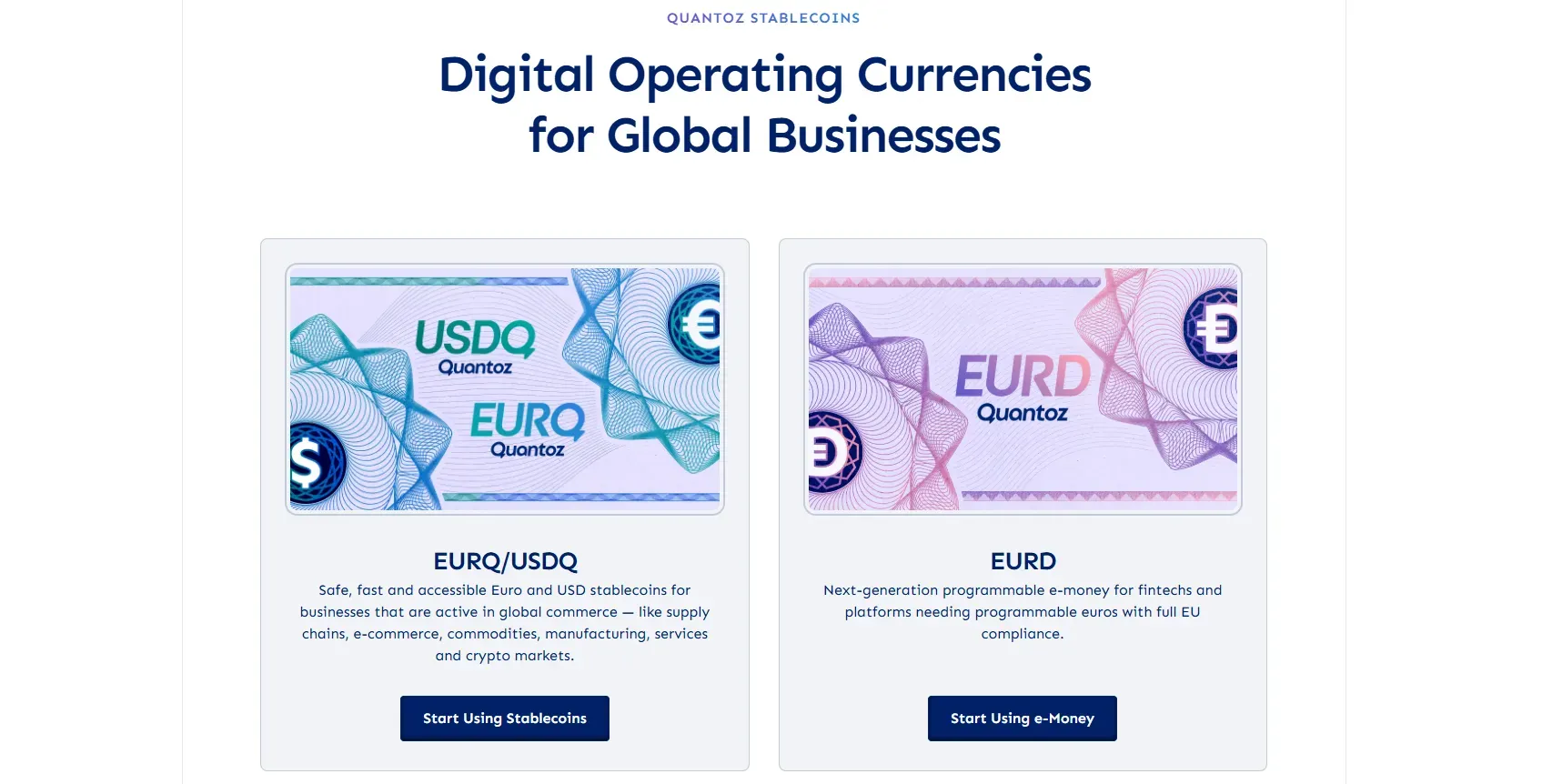
Quantoz is a MiCA compliant stablecoin issuer providing EURQ and EURD, both euro pegged, and USDQ, pegged to the dollar. Here, EURD is specialized for closed loop systems compared to EURQ, so EURD can be understood as a general purpose stablecoin. Quantoz also plans to use Tether’s Hadron tokenization platform.
Bit2Me
Source: Bit2Me
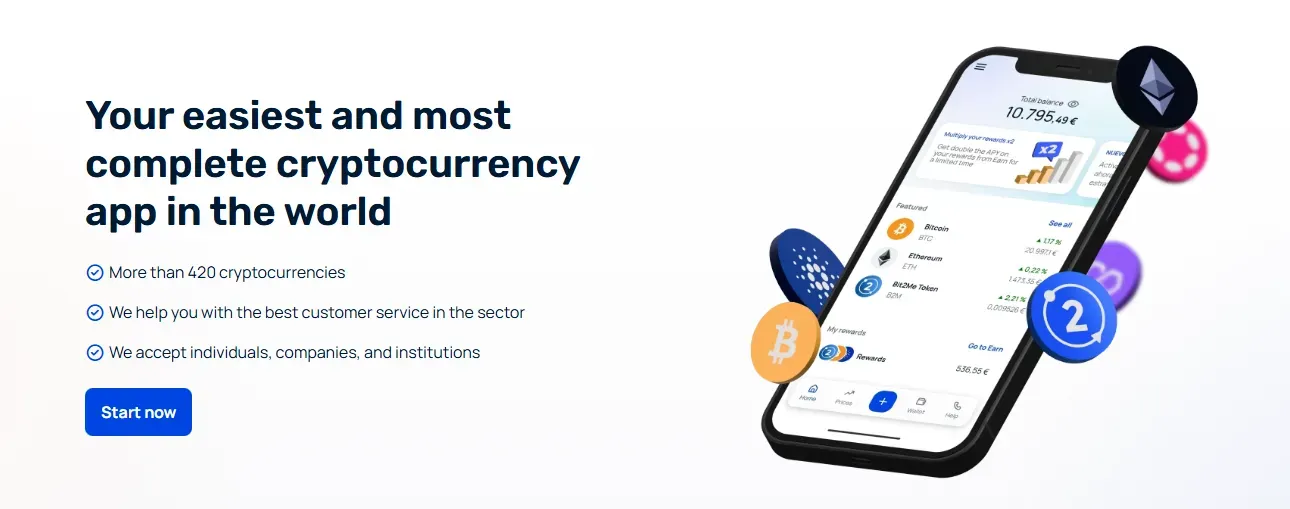
Bit2Me is the largest digital asset platform in the Spanish speaking world. Individuals, businesses, and institutions can trade and invest in a wide range of cryptocurrencies, and connect to various financial activities such as remittance, payments, and lending. Founded in 2014, Bit2Me has been operating for over ten years and has more than 1.2 million users, making it a major platform. In particular, Bit2Me operates under MiCA compliance with a CASP license, which makes it a highly strategic investment for Tether.
Parfin
Source: Parfin
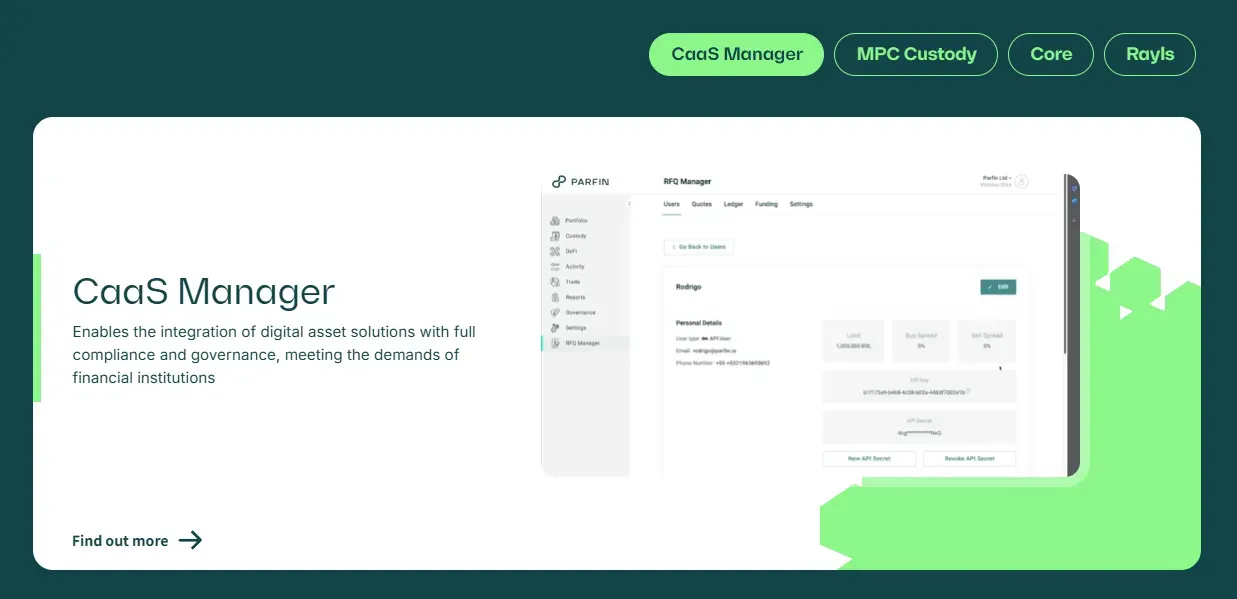
Parfin is an institutional blockchain infrastructure company based in Latin America. Parfin provides a management and workflow platform that enables financial institutions to easily adopt blockchain technology and crypto, secure MPC wallet solutions, and asset tokenization services. Parfin has also received investment from leading global VCs such as Framework, Valor, Accenture, and ParaFi. Through its investment in Parfin, Tether aims to help financial institutions in Latin America use USDT more easily.
Kotani Pay
Source: Kotani Pay
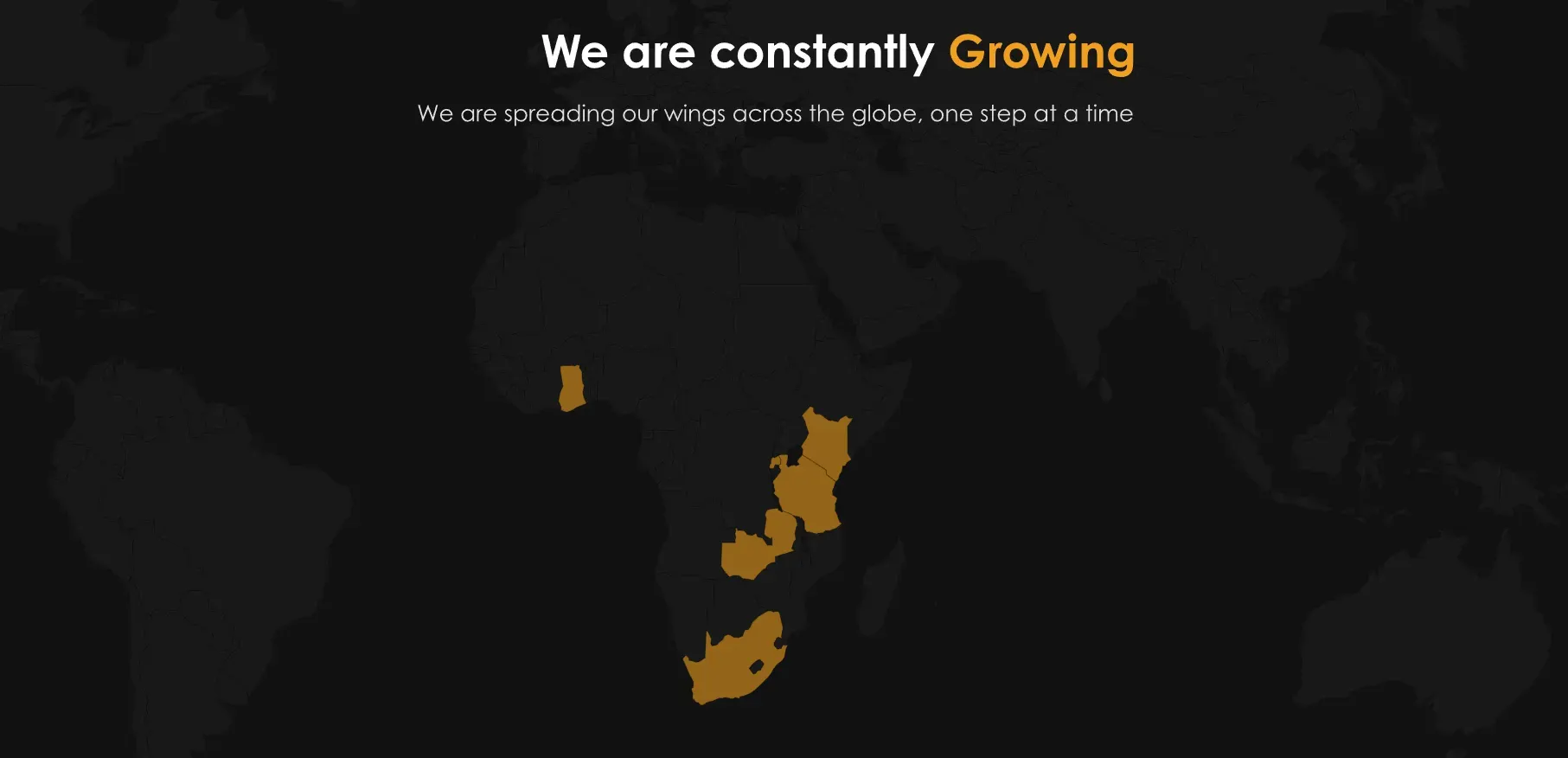
Kotani Pay is an Africa based Web3 payment infrastructure company providing services such as on and off ramping, stablecoin settlement and payments, and SMS based blockchain wallets. By investing in Kotani Pay, Tether plans to expand on and off ramp infrastructure so people in Africa can more easily access USDT.
Shiga
Source: Shiga
Shiga is an Africa based blockchain financial solutions company offering a wide range of blockchain services including on and off ramping between local currencies and stablecoins, OTC trading, corporate virtual accounts, enterprise treasury management, and blockchain solution development. These services allow individuals and businesses across Africa to easily access the dollar economy through onchain finance. Tether stated that it views Africa as a key region for USDT adoption and invested in Shiga to aggressively expand into the continent.
Sorted
Source: Sorted
Sorted is a wallet solutions company based in Africa and South Asia that provides non custodial wallets capable of running smoothly on basic mobile phones and low end smartphones. This significantly increases financial access for people who are poor or unbanked. Users of Sorted can easily perform crypto remittances, payments, and on and off ramping. Through its investment in Sorted, Tether can also expand its influence in Africa and South Asia.
Kem
Source: Kem
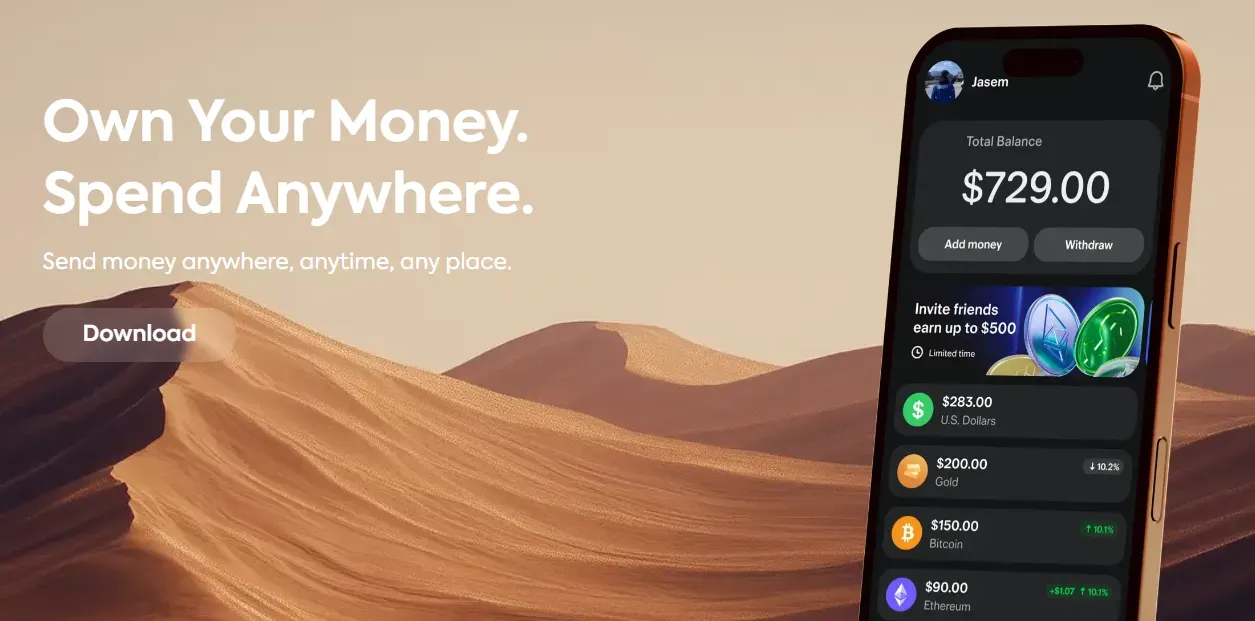
Kem is a widely used crypto remittance, payment, and financial management app in the Middle East. Users can use their crypto assets within the Kem app for remittances and payments, link them to physical cards, and even invest in assets such as gold. Like Africa and Latin America, the Middle East also has a large population of foreign workers, so USDT based crypto remittances can greatly stabilize their lives. Tether plans to expand USDT’s market share in the Middle East based on its investment in Kem.
CityPay
Source: CityPay
CityPay is a crypto payments company based in Georgia. Beyond Georgia, it is actively expanding its business across Eastern Europe, including Armenia, Azerbaijan, Kazakhstan, and Uzbekistan, by providing wallet services, launching payment cards, and acquiring crypto payment merchants. Through its investment in CityPay, Tether aims to strategically secure USDT’s payment market share in Eastern Europe.
As a note, Sorted and Kem mentioned above are also non custodial wallet solution companies and can be included in the retail strategy.
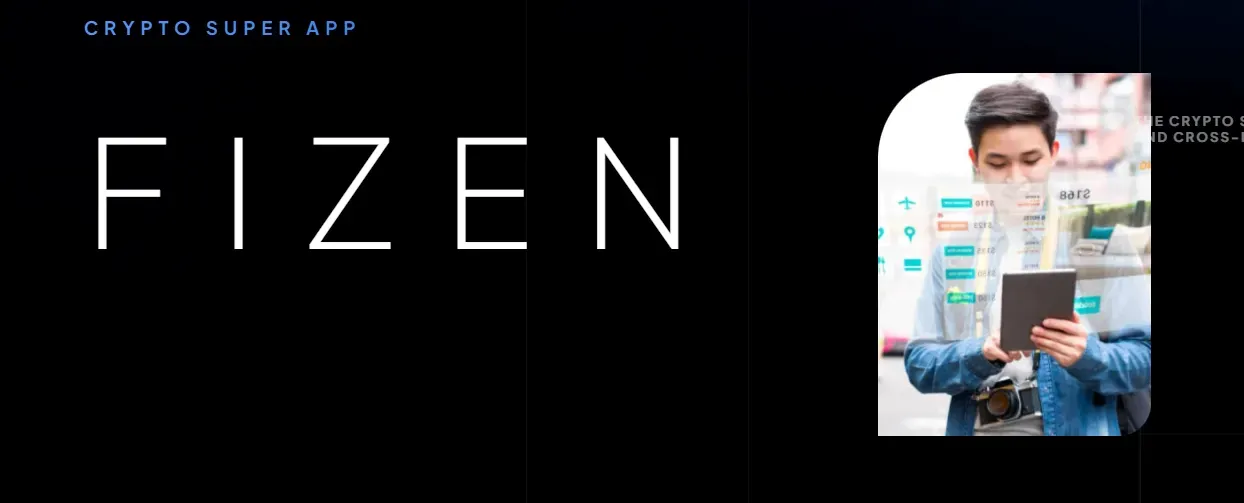
Fizen
Source: Fizen
Fizen is a crypto super app for consumers. Users can store, transfer, and use crypto for payments through a self custody wallet, and Fizen provides features such as payments, shopping, and gift cards so users can easily incorporate crypto into everyday life. By investing in Fizen, Tether aims to provide users with a high quality UX for USDT, enabling USDT to be widely used for daily payments.
Be Water
Source: Be Water
Be Water is an Italy based media and content company engaged in various businesses such as film, TV, and documentary production and distribution, as well as running journalism brands. Tether acquired a 30.4 percent stake in Be Water with an investment of 10 million euros, giving Tether a foothold to expand beyond finance into the global content ecosystem.
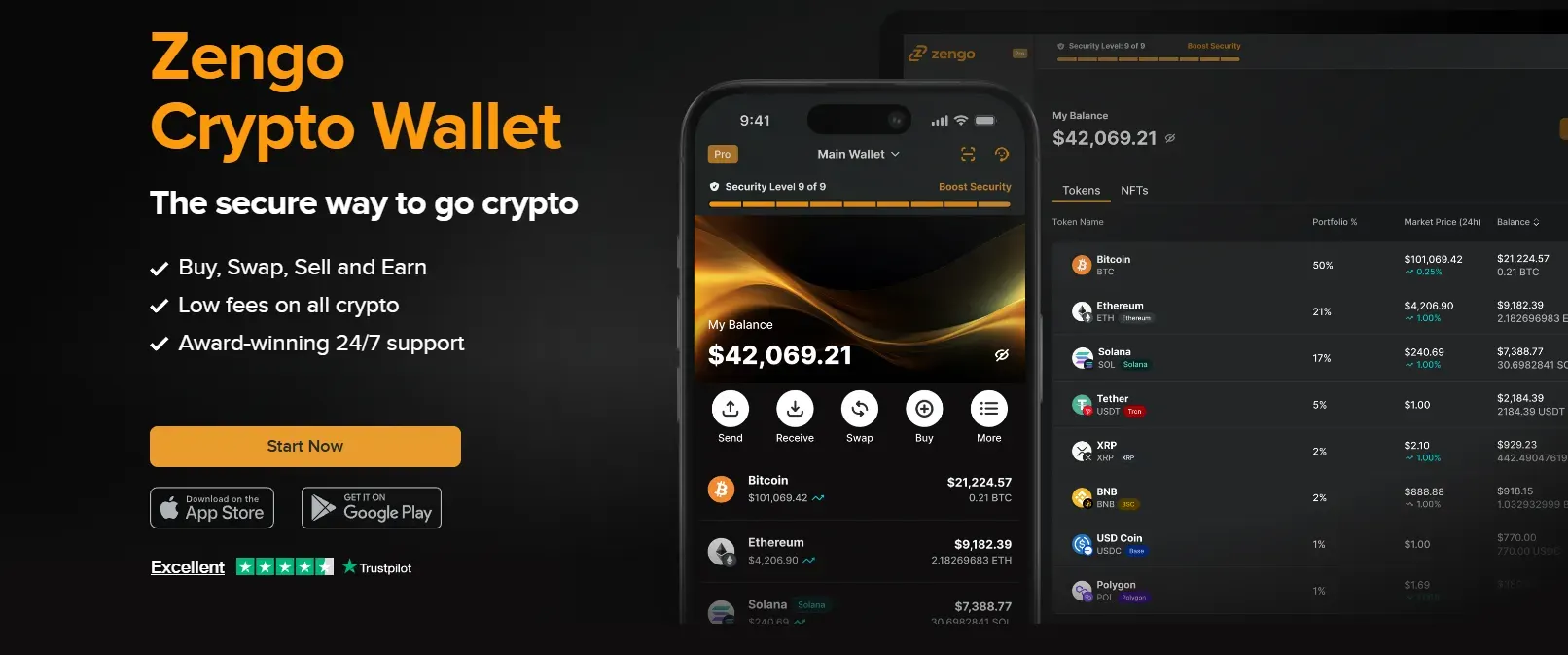
Zengo
Source: Zengo
Zengo is an MPC based wallet solution that allows users to safely use a self custody wallet without managing complex seed phrases. By investing in Zengo, Tether enables users to store, send, and use Tether based assets for payments more securely.
As a note, Parfin is also a company serving financial institutions in Latin America, so it is included in the institutional strategy.
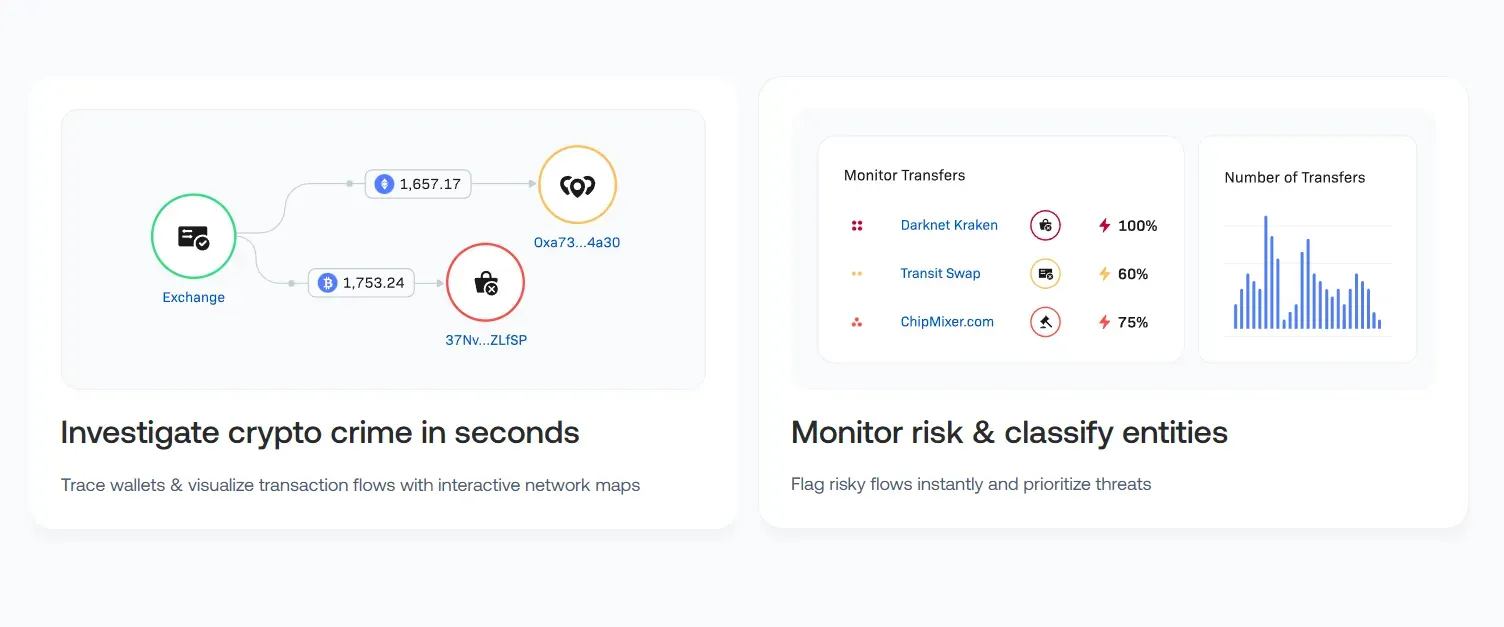
Crystal Intelligence
Source: Crystal Intelligence
Crystal Intelligence is a blockchain intelligence company that performs fraud detection, risk monitoring, real time wallet address analysis, regulatory support, illicit fund tracing, and crime response. By investing in Crystal Intelligence, Tether plans to strengthen its collaboration with them and enhance its ability to prevent USDT from being misused for illegal activities. This is an essential strategic investment for USDT to advance as an institution friendly stablecoin.
Ledn
Source: Ledn
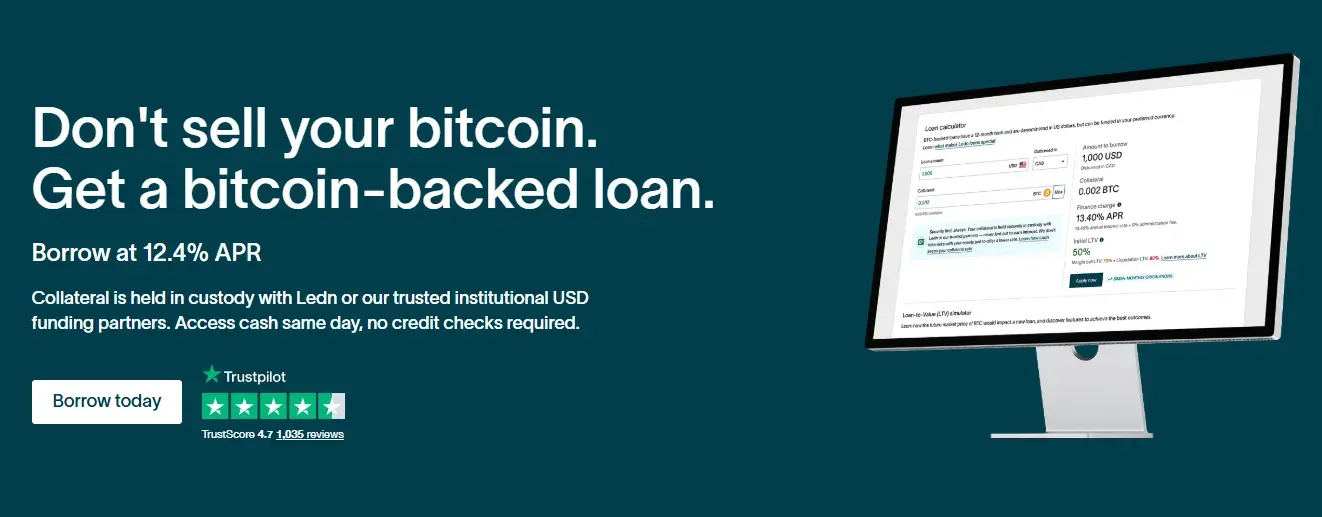
Ledn is a Bitcoin backed lending platform that allows individuals and businesses to borrow stablecoins using BTC as collateral without selling their BTC. Tether has been focusing on building infrastructure that connects crypto assets to real financial use cases, and since Ledn is pioneering a new market of Bitcoin based finance, Tether invested in Ledn.
adecoagro
Source: adecoagro
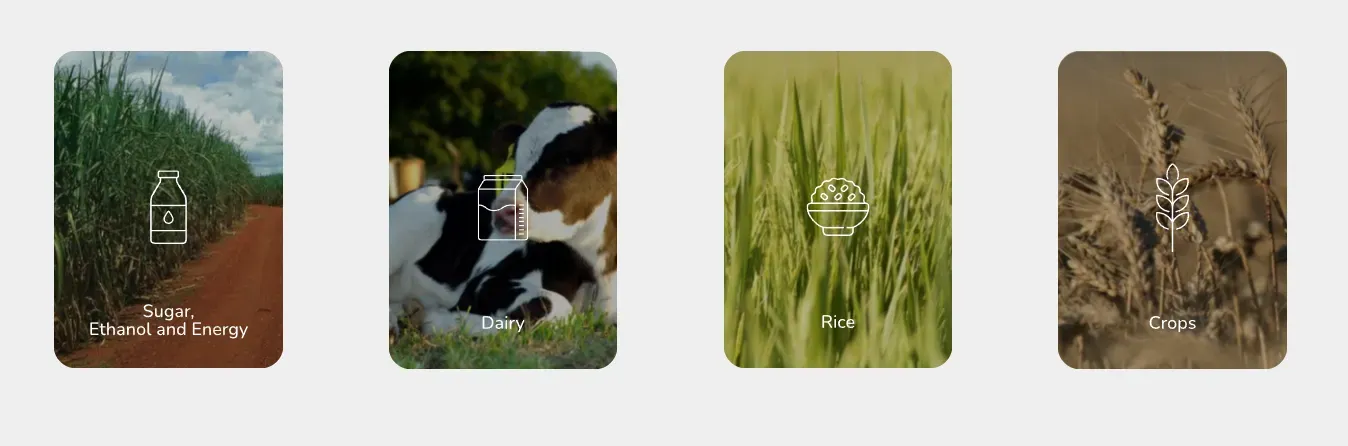
adecoagro is the largest sustainable agriculture and renewable energy company in South America and is also listed on the NYSE. adecoagro sells part of its generated power on the spot market, but due to significant price volatility, revenue can be unstable. From this perspective, Bitcoin mining can serve as a fixed power off taker. Tether plans to acquire up to 70 percent of adecoagro’s shares and jointly pursue a Bitcoin mining project.
BTCPay Server Foundation
Source: BTCPay
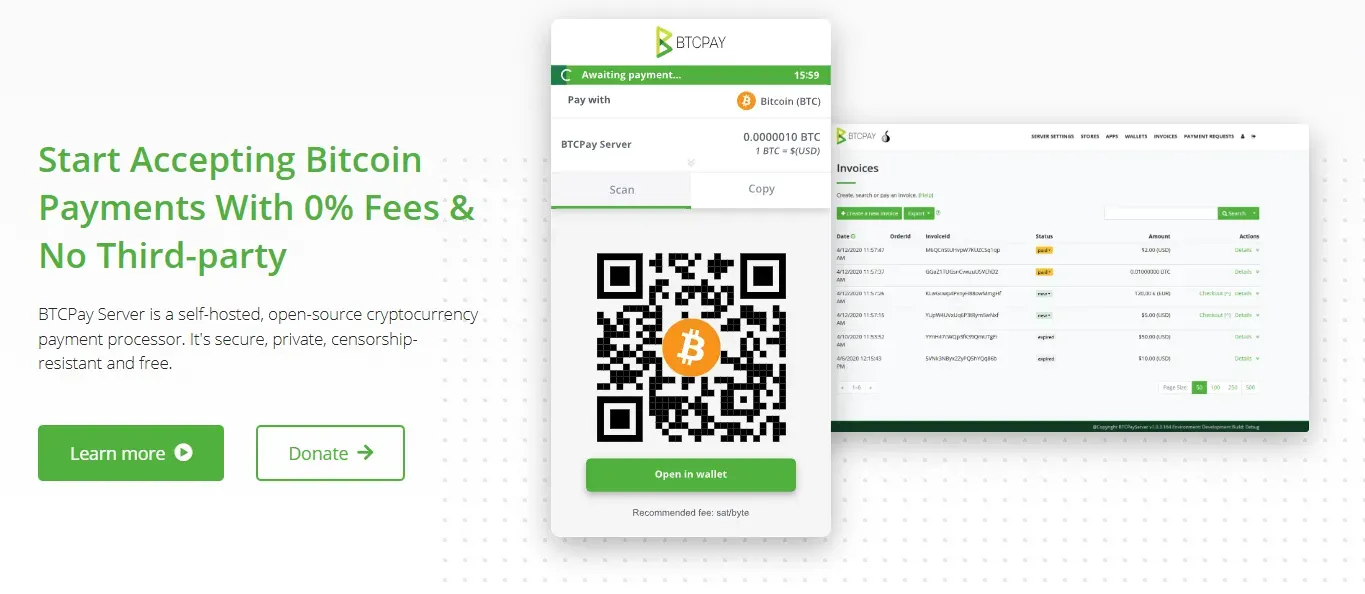
BTCPay is an open source Bitcoin and stablecoin payment processor. Uniquely, it uses a self hosting model, allowing users to run it directly on their own servers. Tether has been supporting BTCPay for two consecutive years to strengthen the infrastructure that enables censorship free payments with Bitcoin and USDT.
OpenSats

Source: OpenSats
OpenSats is a US 501(c)(3) public charity that funds Bitcoin and censorship resistant technologies. OpenSats operates a sustainable model for supporting the Bitcoin open source ecosystem, and donations fund Bitcoin protocol development, privacy tool development, research, and education. Although this is not an investment, Tether has been donating to OpenSats, showing its ongoing support for the Bitcoin and open source ecosystem.
Elemental Altus Royalties
Source: Elemental Royalties
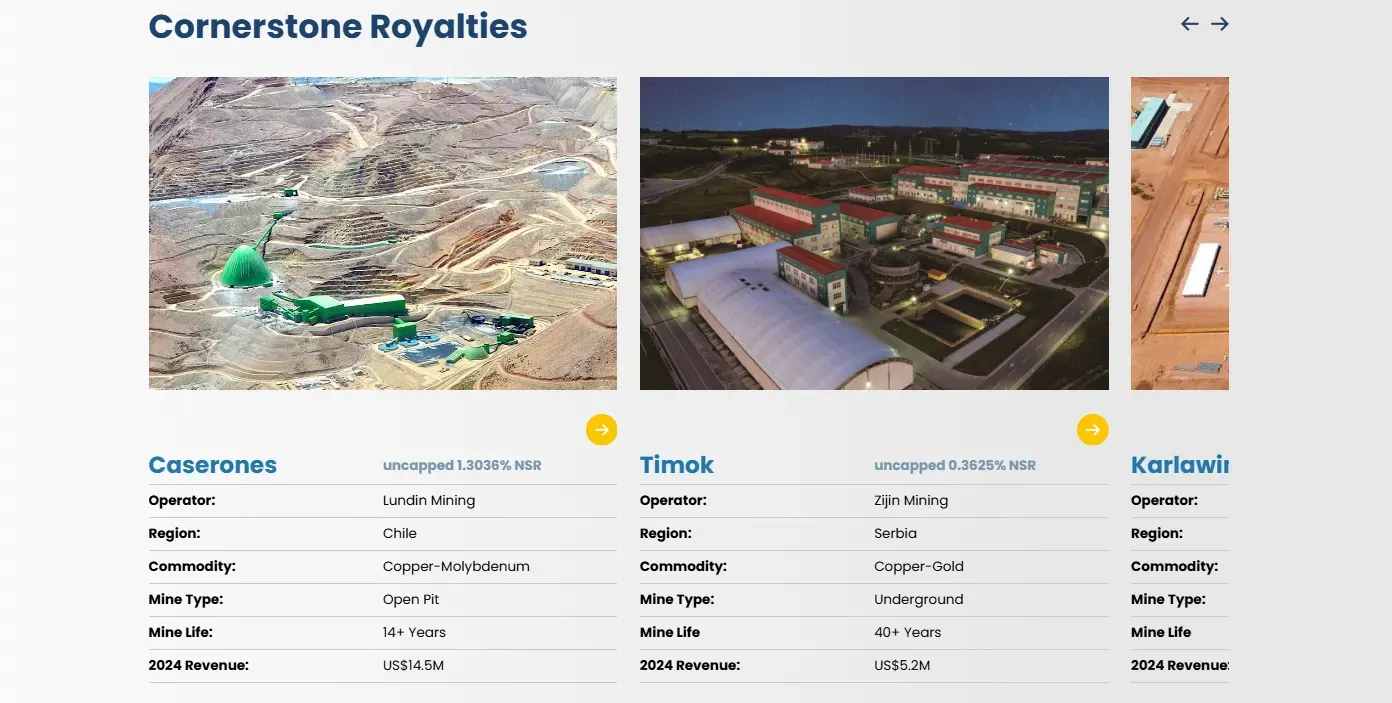
Elemental Altus Royalties is a gold mining related company, but it does not mine directly. Instead, it generates revenue by entering royalty agreements with gold mining companies. Tether views gold, alongside Bitcoin, as foundational infrastructure for digital currency, and to strengthen its gold related strategy, it acquired a 31.9 percent stake in Elemental Altus Royalties.
Alloy

Source: Alloy
Alloy is a service launched directly by Tether, not an investee company, but it is included here because it plays a key role in Tether’s gold related strategy. Tether offers a gold token service called XAUT, and Alloy is a service that issues aUSDT, a gold backed stablecoin collateralized by XAUT. This is an attempt to recreate the historical gold standard and a move that strengthens Tether’s gold Bitcoin strategy.
Blackrock Neurotech

Source: Blackrock Neurotech
Blackrock Neurotech is a leading company in the Brain Computer Interface field, founded by a research team at the University of Utah. The company develops technology that implants electrodes in the brain to convert thoughts into digital signals. People who have difficulty moving, lack sensory function, or face communication challenges can significantly improve their quality of life through Blackrock Neurotech’s technology. With this investment, Tether became a major shareholder, signaling that its ambitions extend beyond finance into advanced future technologies for humanity.
Source: Tether
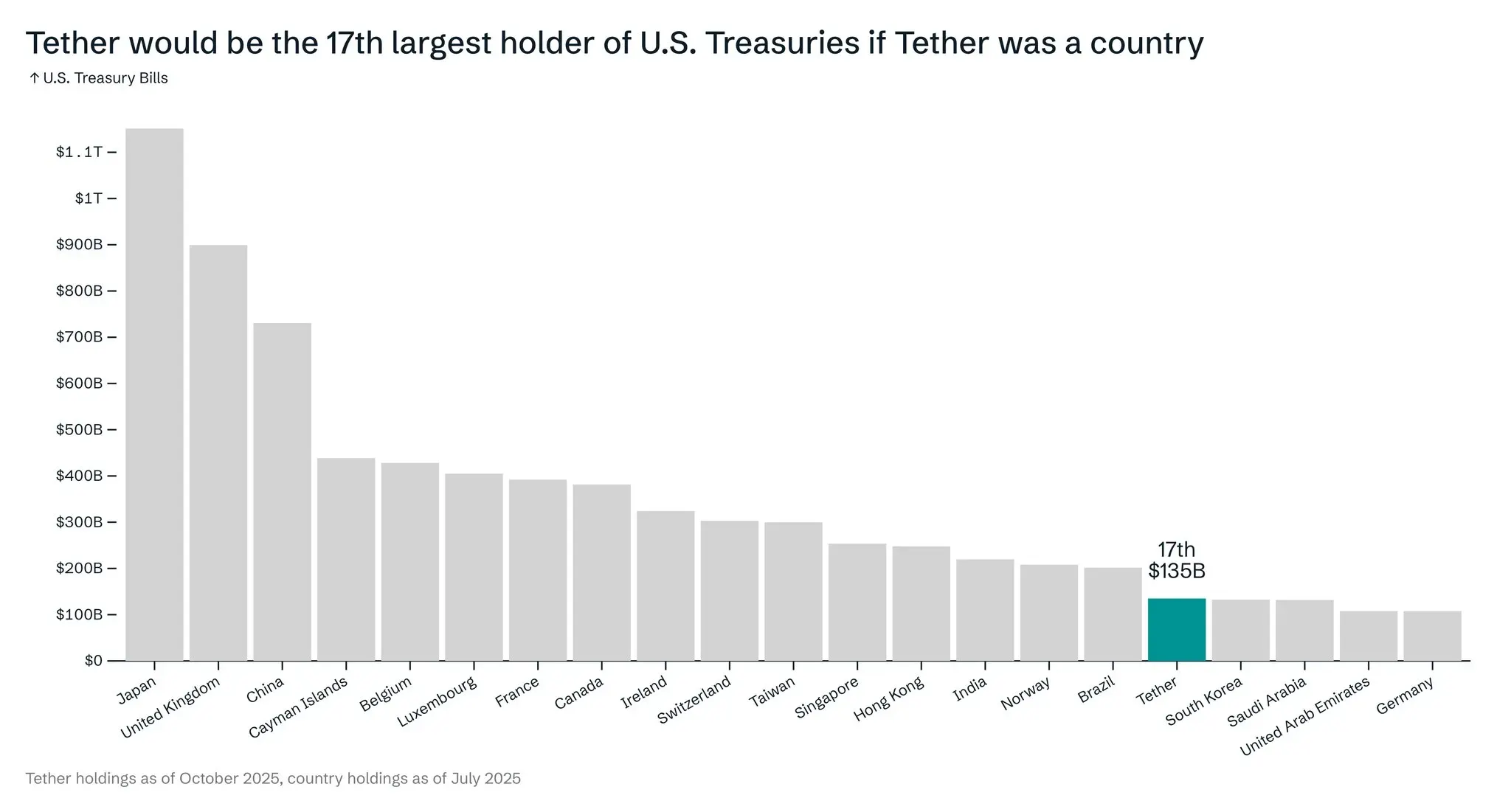
Tether holds $135B worth of US Treasuries, a massive amount that ranks it 17th in the world, surpassing South Korea. In effect, Tether has built a digital empire based on its currency, USDT.
Through the companies Tether has recently invested in, we can observe Tether’s strategy for building a digital empire.
Securing trust: Tether aims to secure user trust through two major assets, Bitcoin and gold.
Global expansion: Tether seeks to cover all continents worldwide, including Asia, Africa, South America, Europe, the Middle East, and more recently the US market through USAT.
Improving accessibility: Tether aims to enable retail users, businesses, and institutions to easily access USDT in both daily life and financial activities through various services.
Some predicted that as blockchain increasingly comes under regulatory oversight, the status of Tether and USDT would weaken, but this prediction proved wrong. I have no doubt that the stablecoin industry centered around the US will continue to grow, and I also strongly agree that the influence of Tether and USDT will accelerate.
In the end, we stand on the brink of a USDT based digital empire, one simply too big to fail.


Dive into 'Narratives' that will be important in the next year


 SBI
SBI