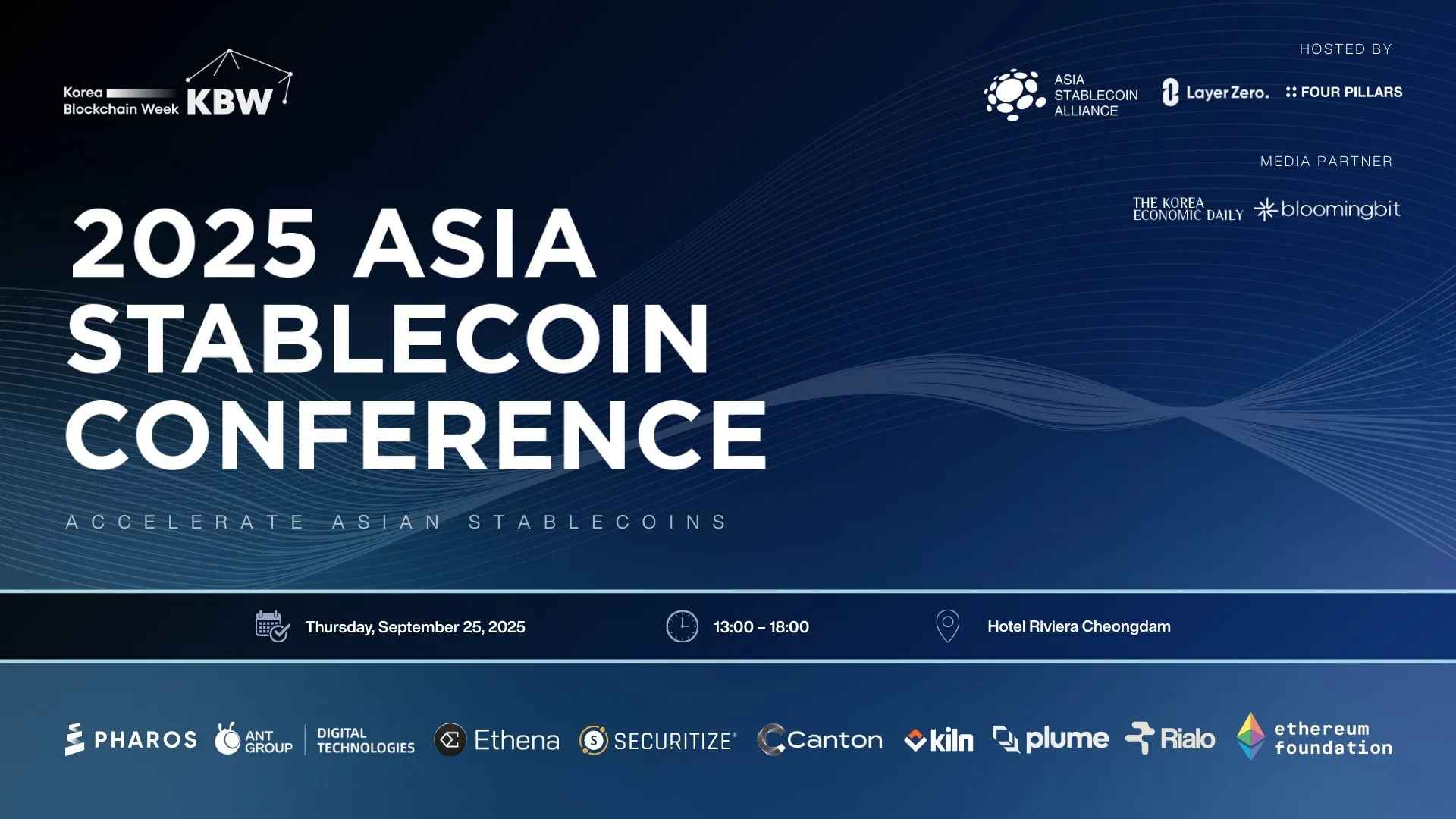
Asia Stablecoin Alliance will host the Asia Stablecoin Conference (ASC) on September 25 this year together with Four Pillars, LayerZero, and stablecoin leaders from around the world. ASC Spotlight content highlights the companies sponsoring ASC in advance so that participants can truly immerse themselves in the ASC event and understand how these companies view the Asian market.
ASC Sponsors: Pharos (Title), Ant Digital Tecnhologies (Title), Canton, Ethena, Kiln, Plume, Rialo, Securitize
ASC Participants: Ant Digital Tecnhologies, Avalanche, Bybit, Canton, Ethena, Ethereum Foundation, Four Pillars, Frax, Grove, IDRX, Japan Smart Chain, Kiln, Lambda256, Layer Zero, Mantle, Maple, Neutrl, Pharos, Plume, RedStone, Rialo, Securitize, Sky, Solana, Spark, Stable, Stargate, Sumimoto, Theo, UR Bank, Wyoming Stable Token Commission
For more details about ASC, please refer to the following links:
ASC Website: https://conference.asiastable.org/
ASC Registration: https://luma.com/la44fa6d
Source: Ethena
The financial infrastructure around the world is gradually showing signs of transitioning to blockchain, and in this process stablecoins are an essential component. In fact, stablecoins are one of the few products in the crypto ecosystem that have found PMF, and as regulations become clearer such as the GENIUS Act in the United States, growth is accelerating even more.
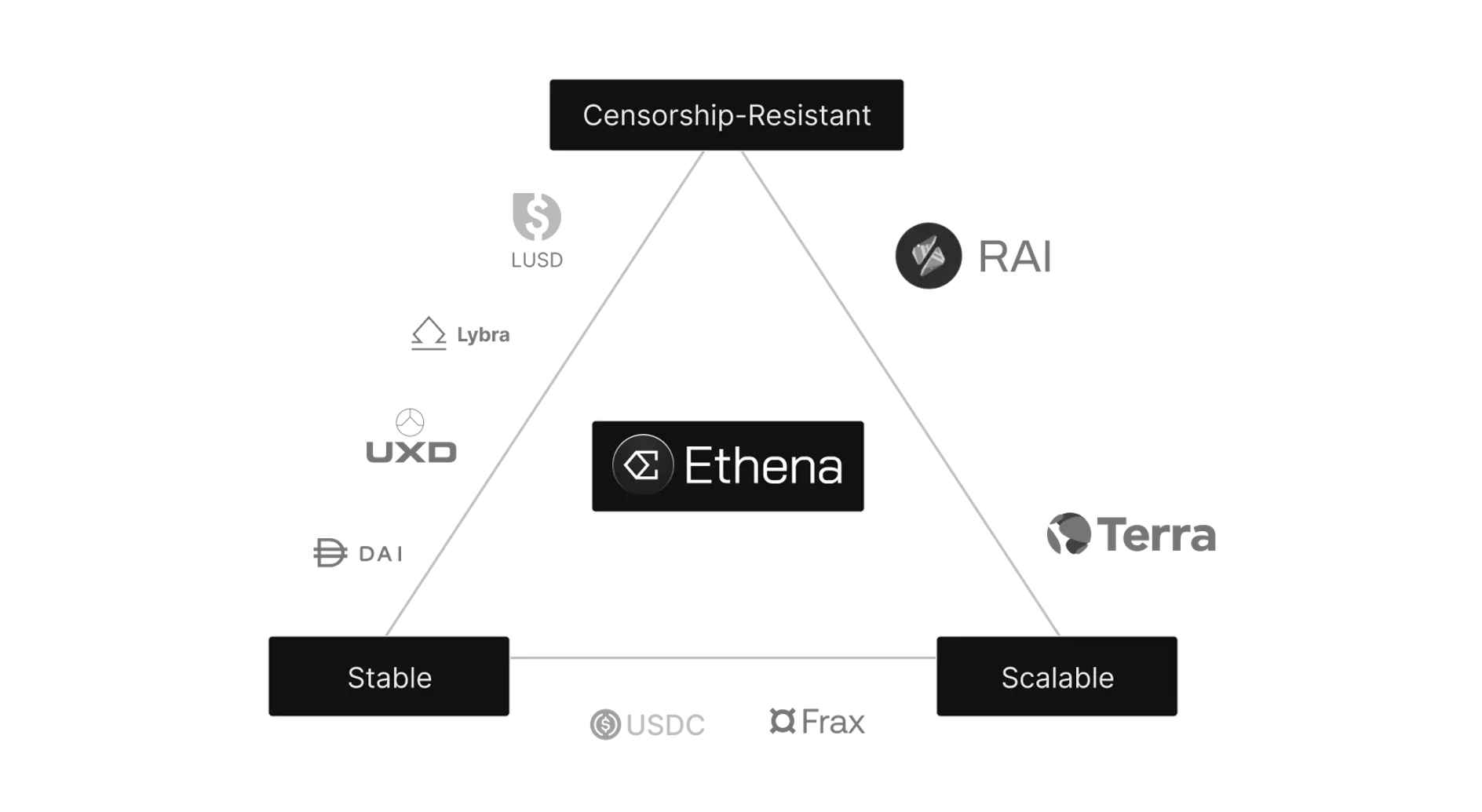
Currently, the largest stablecoins are centralized ones such as Circle’s USDC and Tether’s USDT. They are stable in price and highly scalable, but they have an SPOF issue due to their centralized nature. This includes the possibility of censorship, dependence on the banking system, and a centralized revenue structure.
On the other hand, decentralized stablecoins so far have often either adopted overcollateralization with low capital efficiency, undercollateralization with low stability, or had low liquidity that prevented them from effectively expanding their ecosystems.
Ethena’s USDe can achieve stability through delta-neutral positions, capital efficiency without the need for overcollateralization, and a non-centralized structure all at once.

Ethena is a protocol that issues synthetic dollars for the digital economy. It issues USDe, which is minted through crypto-native strategies, sUSDe, which users can receive by depositing USDe to earn interest, and USDtb, which aims to comply with the GENIUS Act. Ethena’s flagship stablecoin USDe has grown rapidly and reached an issuance volume of $13B in less than two years.
Source: Ethena
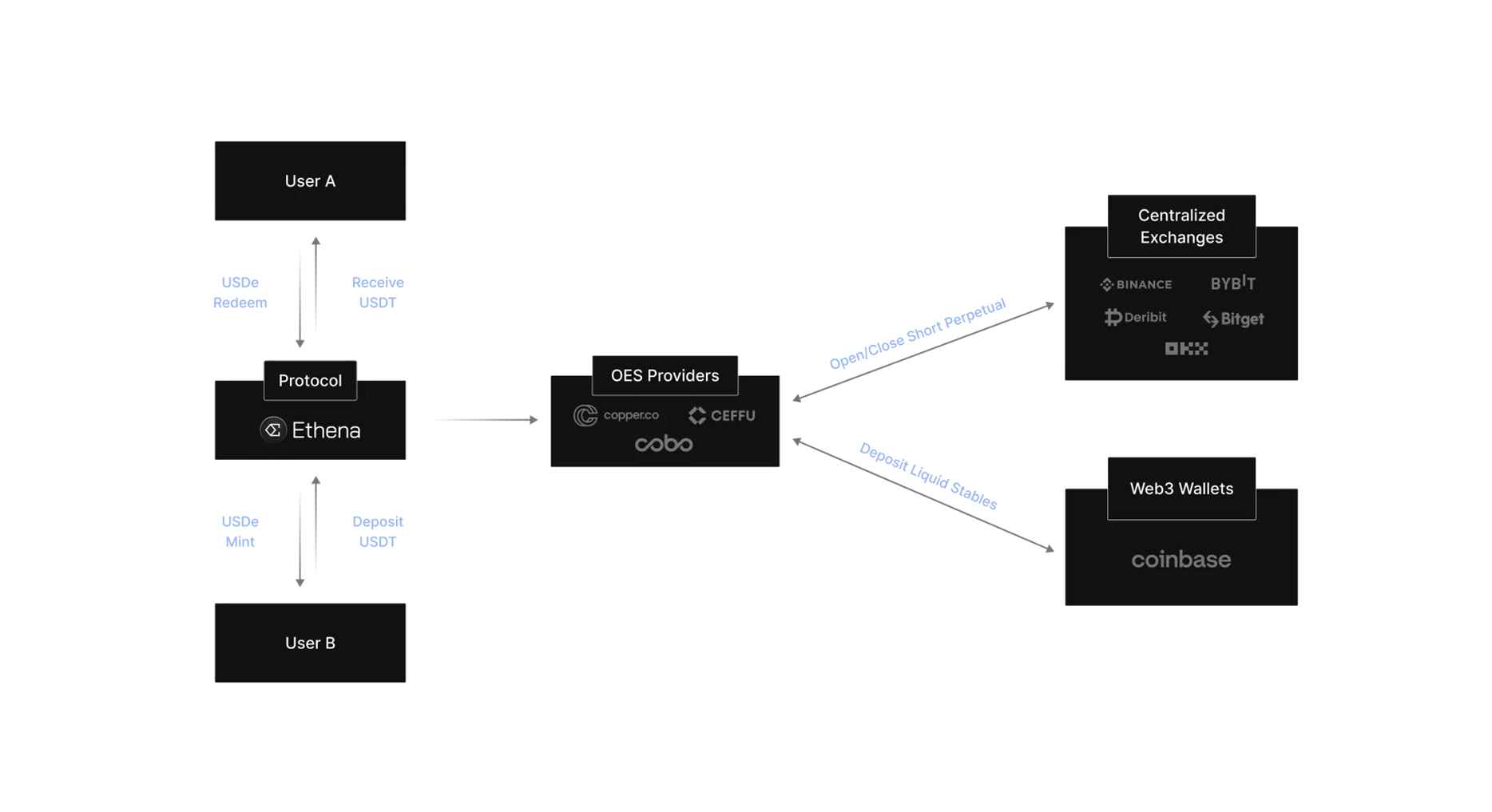
The most representative product of Ethena is the USDe stablecoin. Unlike simply holding cash as collateral, the USDe stablecoin is designed to be pegged to the dollar by combining crypto spot assets and short positions in derivatives exchanges.
The core mechanism is delta hedging. For example, if a user converts 100 USDT into 100 USDe, half of the 100 USDT is used to buy ETH spot and the other half to buy ETH short positions, allowing the value of 1 USDe to remain equal to 1 USD. Moreover, funding fees from futures exchanges can generate additional profits. Importantly, the assets backing USDe are not kept on CEX exchanges but are held in safe off-exchange custody solutions (OES) such as Copper, Ceffu, and Cobo.
Source: Ethena
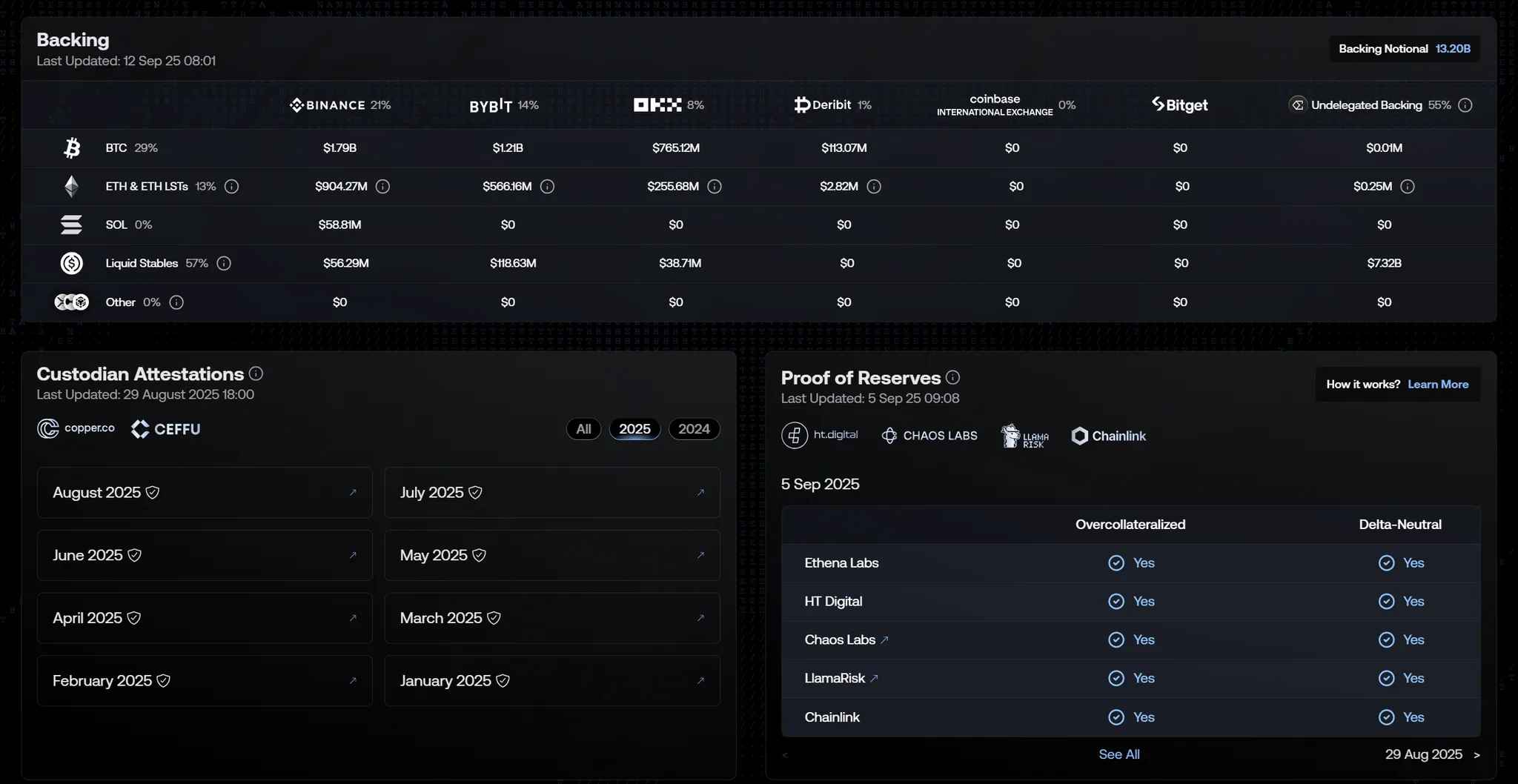
Ethena makes all collateral and audit records fully transparent. The collateral consists of delta-neutral positions in BTC, ETH, ETH LSTs, and SOL, as well as stablecoins. To diversify risks and liquidity, the assets are held across multiple exchanges instead of a single one.
Verification of whether collateral is truly held in proportion to USDe issuance is conducted through off-chain custody audits and on-chain Proof of Reserve, ensuring security.
Source: Ethena
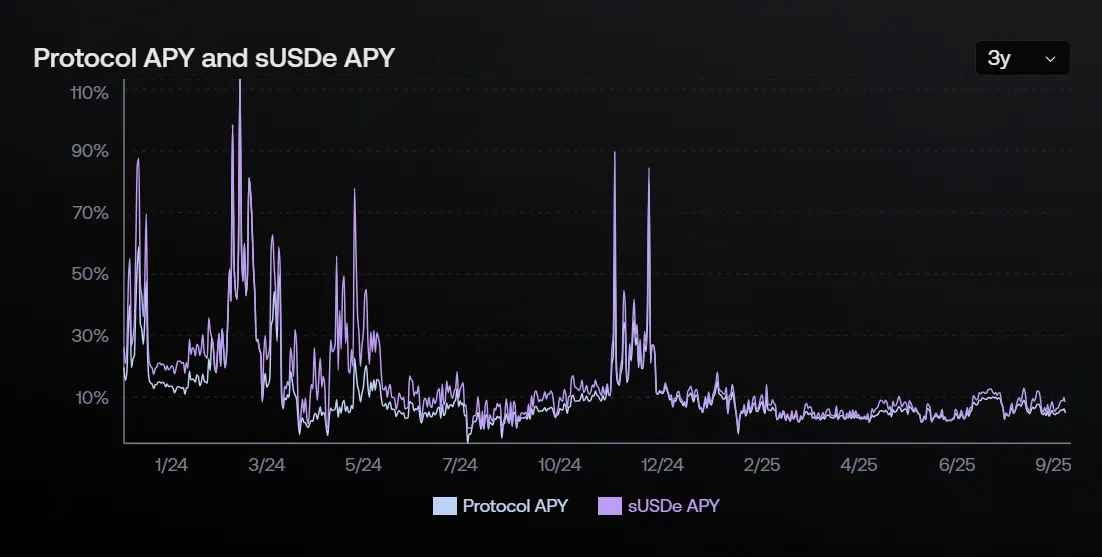
USDe is a simple stablecoin aiming to maintain the value of 1 USD. If users want to earn yields from the collateral backing USDe, they can deposit USDe to receive sUSDe. Since interest income accumulates in sUSDe, its value rises in line with earnings. Recently, the yield of sUSDe has fluctuated between 5 to 10 percent annually depending on funding fees. The sources of revenue from USDe collateral can be broadly categorized into three:
Funding fees: income generated from short positions taken for hedging
Stablecoins: a portion of the collateral is held in USDC and USDT, which can earn interest depending on the deposit venue (CeFi, DeFi)
Staked ETH: part of the ETH collateral may be in forms like Lido stETH or Rocket Pool rETH, which generate staking rewards
Source: Ethena
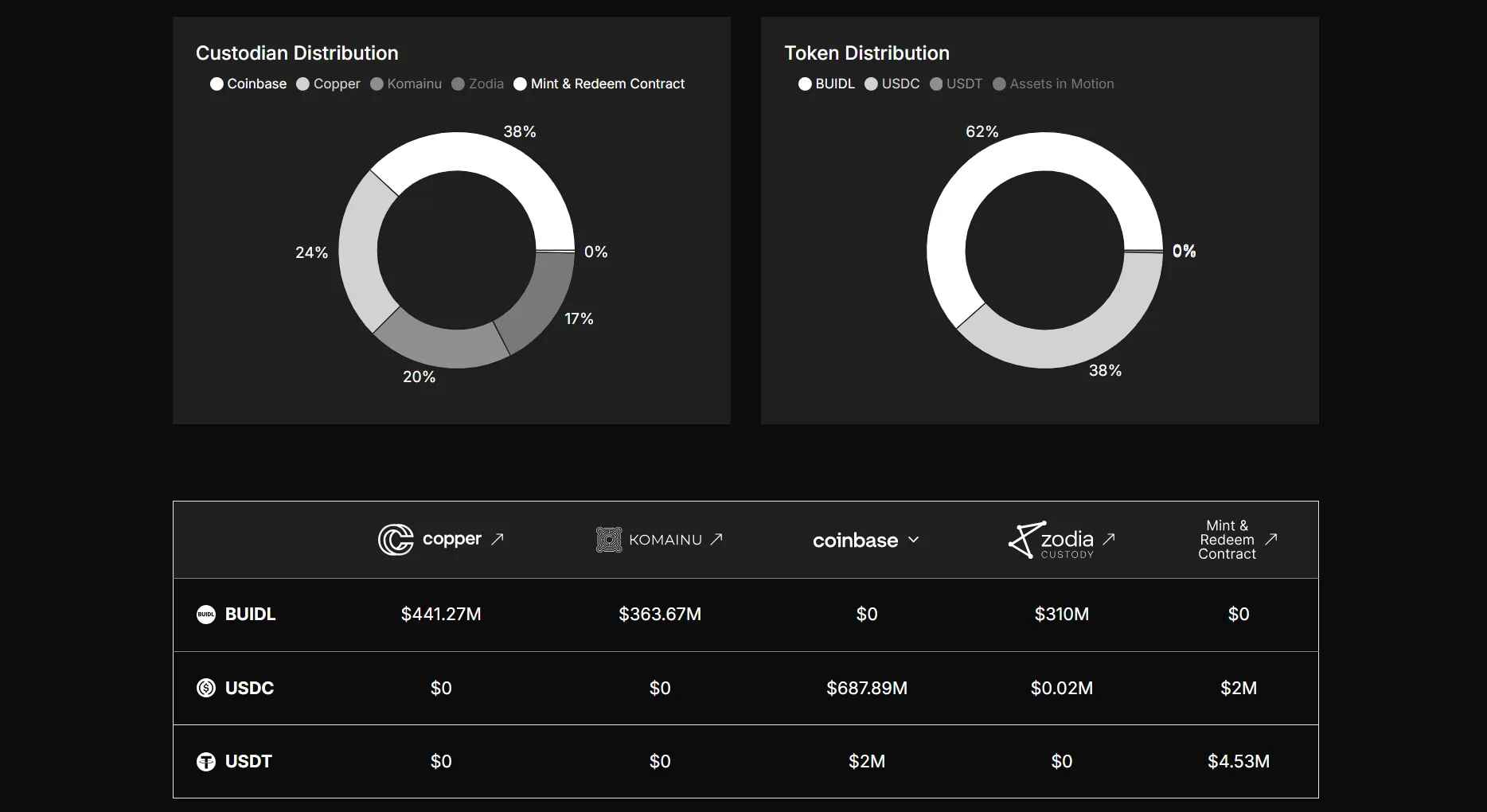
If USDe is a stablecoin issued through crypto-native methods, USDtb is another flagship stablecoin product of Ethena created to comply with regulations. Unlike USDe, the collateral of USDtb consists only of BUIDL, USDC, and USDT. BUIDL is a tokenized MMF issued by BlackRock through Securitize, maintaining the stable value of one dollar. Since it is a tokenized version of an MMF, it is one of the collateral components that comply with the GENIUS Act. Currently, about 1.8 billion dollars worth of USDtb has been issued.
Ethena is a project that takes one of the most aggressive expansion strategies in the crypto ecosystem. Beyond simply issuing stablecoins, it employs various strategies to secure their use cases. USDe has already been integrated and utilized in numerous DeFi protocols, and USDtb has also been introduced into major lending protocols such as Aave and Morpho, where it is used as collateral. Although it was not passed, a proposal to introduce USDe into Hyperliquid’s base currency USDH is one of the representative examples of this effort.
Source: Converge
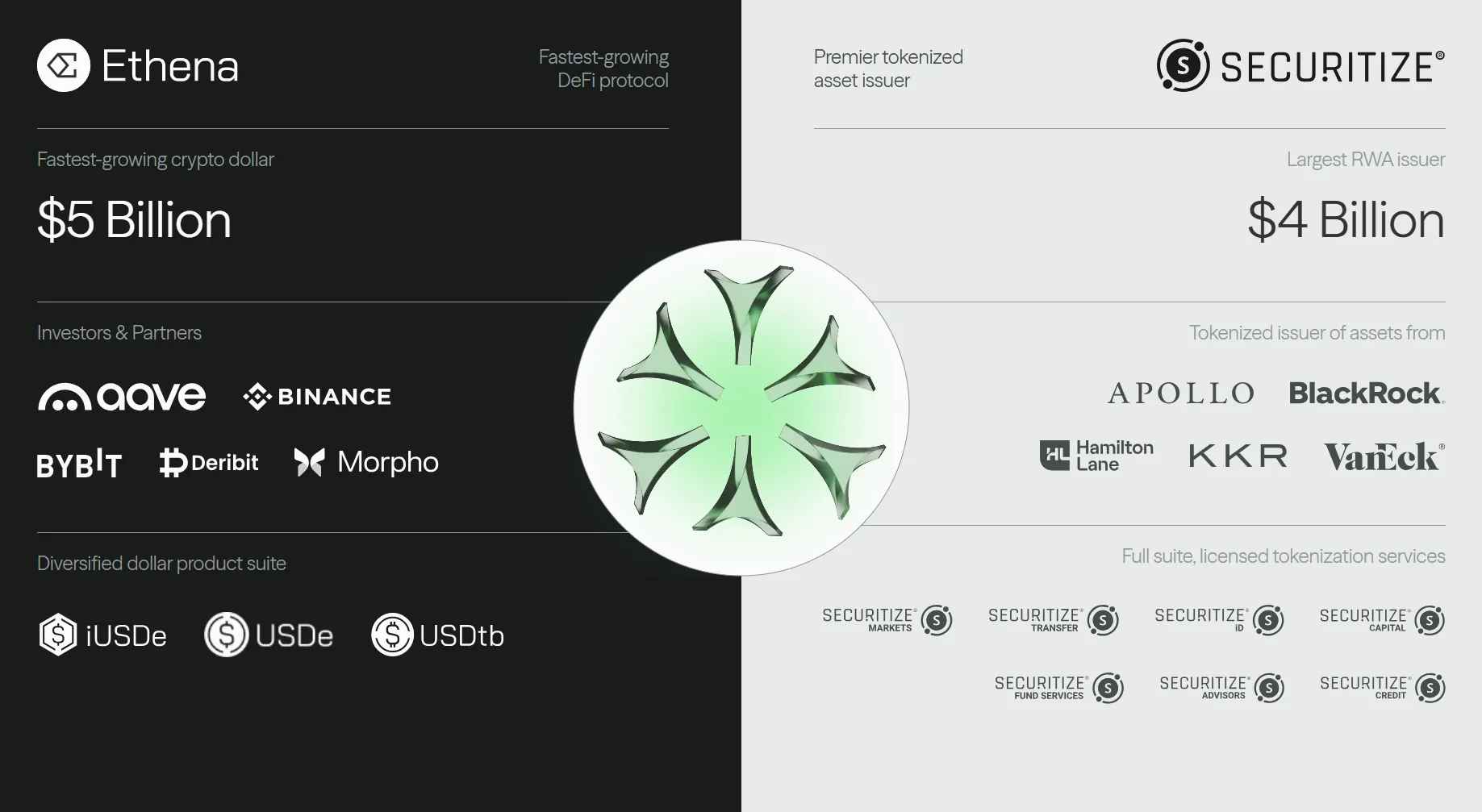
Ethena aims not only to issue stablecoins like USDe and USDtb but also to build a blockchain ecosystem. Ethena is developing a blockchain network called Converge together with Securitize. The goal is to enable users to use Ethena’s stablecoins more efficiently and to have easier access to Securitize’s tokenized securities.
As the name implies, Converge aims to become a hub connecting decentralized finance and traditional finance. The most important factor in a financial system is scalability. To achieve this, Converge maximizes the network core to improve scalability. In addition, gas fees are paid in USDe, and sENA is used for validator security.
Source: Converge
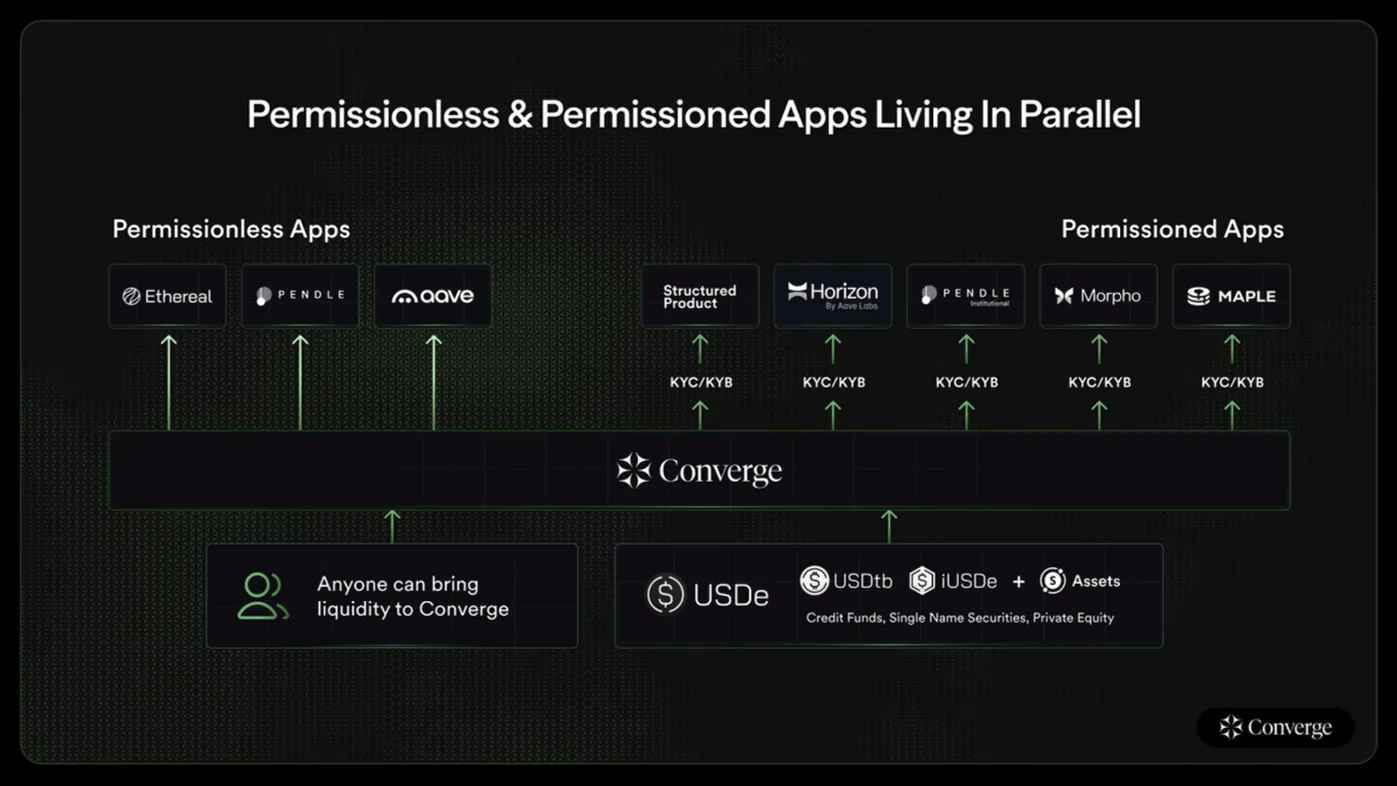
One of the most interesting features of Converge is that permissionless apps and permissioned apps coexist on the network. This meets the needs of both retail and institutional investors. The network is fundamentally permissionless, but to ensure regulatory compliance, certain apps can require KYC and restrict interactions only to wallets that meet specific requirements. This is a strategy that secures both on-chain liquidity and compliance with real-world regulations.
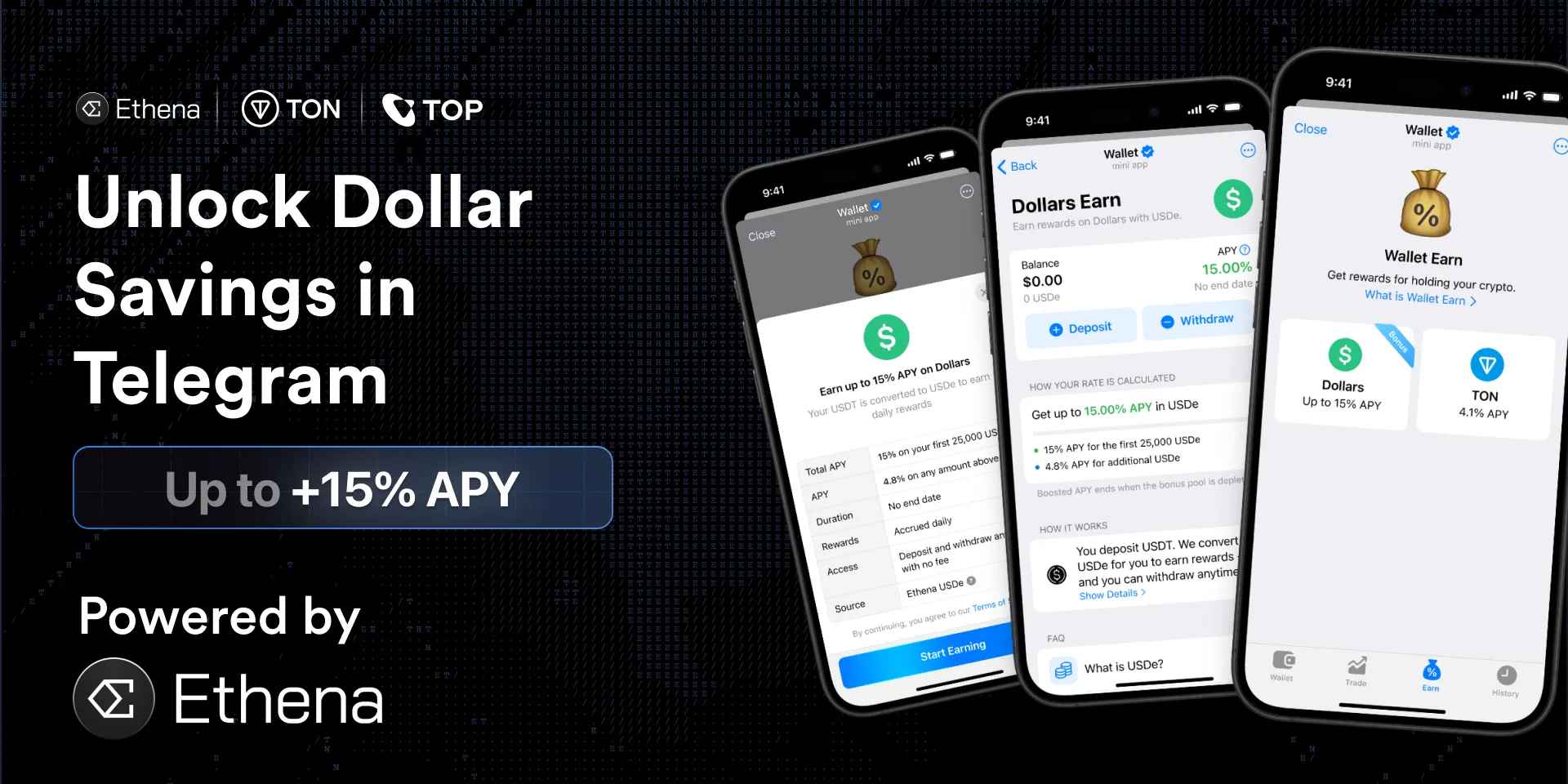
Source: Ethena
Telegram users can hold USDe in the built-in native Web3 wallet and deposit it to receive yields of more than 15 percent. The interface is designed to be very intuitive, making it easy for anyone to access USDe yield opportunities. This is a chance for USDe to be exposed to Telegram’s more than one billion users, and it is also a strategy for Ethena to expand not only on-chain but also into countries where access to traditional finance has been difficult.
Since Strategy’s Bitcoin DAT strategy, numerous companies have begun to adopt DAT strategies not only with BTC and ETH but also with various tokens. Ethena also uses the DAT strategy to provide exposure not only to investors in the on-chain ecosystem but also to equity investors in traditional finance.
The first case is TLGY Acquisition Corp., a SPAC company. TLGY plans to merge with StablecoinX Assets Inc., change its name to StablecoinX Inc., and list on Nasdaq under the ticker USDE. Through PIPE funding it has raised a massive 890 million dollars, and the listing process is expected to be completed in the fourth quarter of 2025. The second case is Mega Matrix Inc., a company already listed on the NYSE. This company is also pursuing the ENA DAT strategy and has secured a 2 billion dollar securities issuance option to purchase ENA.
Asia is a core focus for Ethena’s growth. The region represents one of the most engaged and sophisticated user bases for crypto, and we’ve seen strong adoption from markets such as China and Korea since our earliest days. We are deeply grateful for the support and enthusiasm of our Asian community — their active use of Ethena’s products and consistent feedback have been instrumental in shaping our development roadmap.
Looking forward, we see Asia not just as a market but as a key partner in building Ethena’s ecosystem. Our strategy is to continue deepening relationships in the region through localized community efforts, partnerships with exchanges and protocols, and education initiatives that make USDe and sUSDe more accessible and better understood by users.
We are focused on building out distribution channels and reaching a broader audience of crypto users who aren’t very active on-chain. Our goal is to make USDe accessible as a simple, reliable USD-denominated savings account — a compelling option for both retail users and non–crypto-native audiences across Asia.
Asia is often seen as a single market, but in reality it consists of many distinct countries — each with its own regulations, user behaviors, and level of crypto adoption. One of the key challenges is avoiding the common fallacy among Western teams of treating Asia as one homogeneous region.
Our biggest challenge (and focus) is tailoring go-to-market strategies for each market individually. This means understanding country-specific regulations, user education needs, preferred platforms (CEX vs. DeFi), and local community dynamics. Building trust and distribution takes localized effort, which requires additional resources, partnerships, and compliance planning.
With more countries showing interest in launching sovereign stablecoins and refining their stablecoin policies, our goal in joining the Asia Stablecoin Alliance is to stay closely connected to these developments.
By participating actively, we aim to:
Build closer relationships with local regulators and policymakers
Stay well informed of upcoming policy changes across different Asian jurisdictions
Better understand the appetite and requirements of financial institutions
This knowledge allows us to tailor our go-to-market strategies, ensure compliance, and create products that align with both regulatory expectations and institutional demand.
The outdated financial system is gradually transitioning to blockchain, and stablecoins are becoming the money of the future. We need digital money that matches the digital economy, and Ethena is leading the way in this field. Based on the issuance of USDe and USDtb, Ethena is pursuing aggressive strategies to make access easy for investors of all types, from developing countries to advanced economies. Ethena is already the largest decentralized stablecoin, but its journey is just beginning. Let us watch whether Ethena can even challenge the dominance of USDC and USDT.


Dive into 'Narratives' that will be important in the next year


 Ethena
 Mastercard