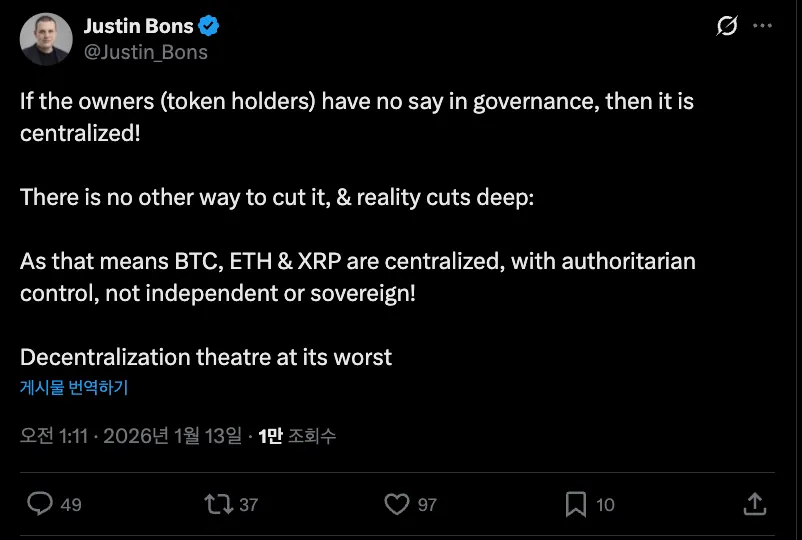
Source: Justin Bons
I believe there is significant room to further expand on this discussion. In other words, the setup of a governance framework inherently involves a highly complex set of factors. That said, I would argue that the most fundamental step in its design ultimately lies in defining participants and optimizing the scope of governance.
In its earliest days, blockchain emerged from a pure Proof of Contribution model—one where contribution came first and (uncertain) rewards followed later. However, as the industry transitioned into the Proof of Stake era with embedded investment structures, this dynamic became increasingly distorted. What we see today is a peculiar market structure in which guaranteed rewards are distributed upfront, while the actual contributions of those holding large stakes remain uncertain, yet the network continues to function.
As echoed in Justin’s argument, it is now commonly observed that actors who already hold substantial stakes often show little interest in governance, or fail to represent the interests of a broader constituency.
From the outset, these systems are frequently designed in ways that concentrate excessive token allocations among foundations, VCs, and validators, thereby entrenching economically and politically imbalanced dynamics. In such structures, the voices of participants with smaller stakes are structurally marginalized and easily rendered meaningless.
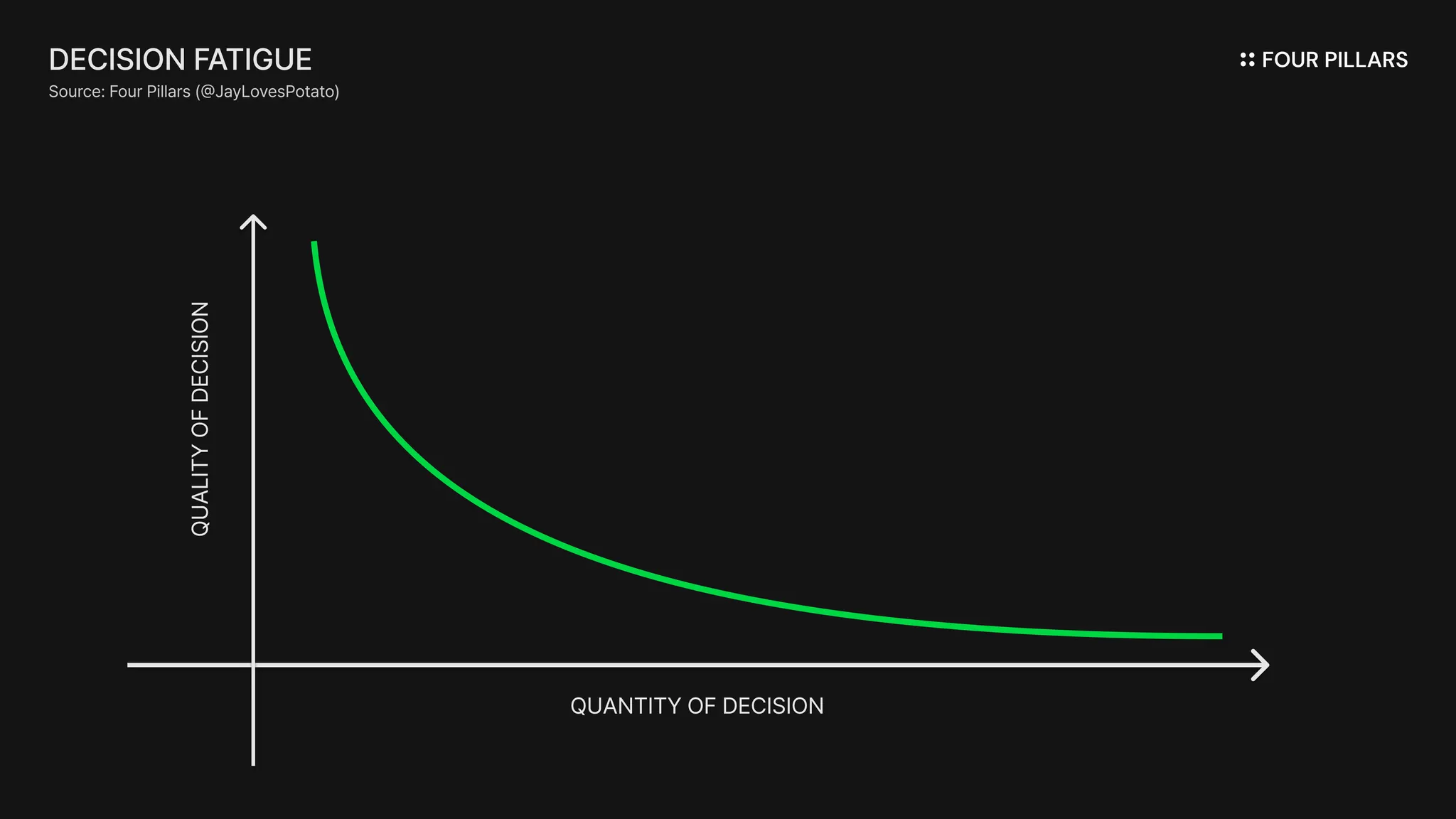
Nor can we confidently say that on-chain governance frameworks have reached a sufficient level of maturity. Even in cases often cited as relatively active examples of on-chain governance, retail participants face structurally high barriers to entry when it comes to continuously tracking, understanding, and meaningfully engaging with every governance proposal.
A lack of domain expertise combined with cumulative decision fatigue directly translates into lower participation rates. As a result, many participants either default to following the judgments of a small number of actors who are already deeply aligned with the network, or rely heavily on delegation as their primary strategy.
Among those who hold large stakes or receive significant delegated voting power, it is not uncommon to see actors who are passive when it comes to governance aimed at the protocol’s long-term development, or who at times make decisions that conflict with the broader public good.
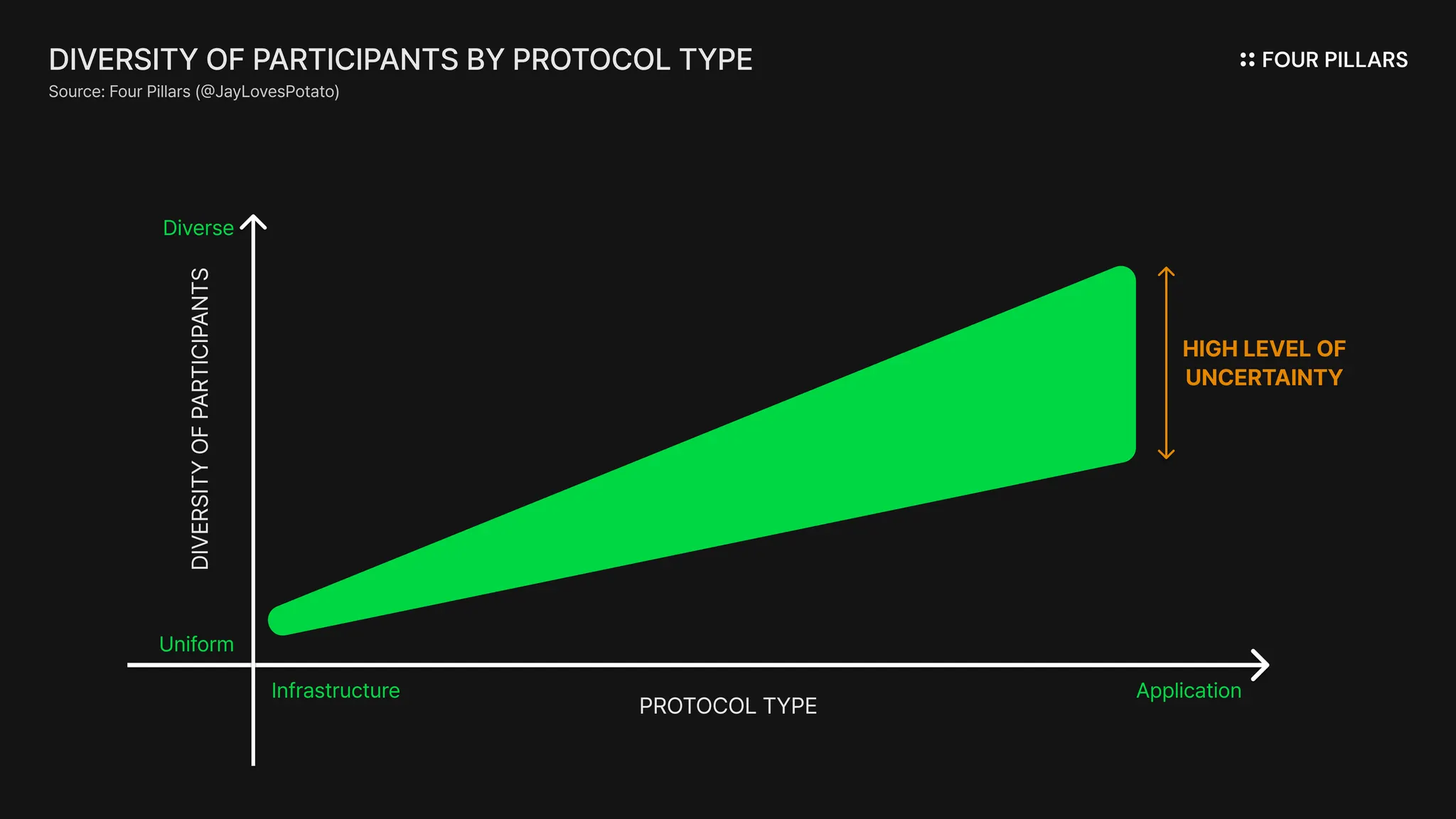
At this point, the importance of governance framework design becomes unmistakably clear. As I noted in an article written two years ago, a wide range of elements can—and should—be discussed when designing governance frameworks. Among them, however, the most fundamental factor remains the optimization of governance scope and participants.
In practice, governance agendas within blockchain ecosystems span a broad spectrum: from low-level technical issues such as network-layer communication standards, to application-level matters that deliver direct value to end users. Accordingly, it is essential to classify governance topics by their level of importance and to modularize governance structures by assigning each domain to participants who possess the relevant expertise and experience.
At a time when a diverse set of actors—including institutions—are rapidly entering multiple protocols, it remains an open question whether individual participants can effectively manage their assets without friction or conflict on top of governance frameworks that are insufficiently structured.
As the proportion of crypto assets that are actively utilized—rather than simply held—continues to grow, the importance of the governance frameworks structurally embedded within those assets will only become more pronounced going forward.


