

※ This article recaps SOLANA Oriental 2025, where Four Pillars participated as a media partner. All presentation images included are captured from the recorded session.
In the early stages of industry growth, crypto conferences serve as vital platforms where participants from diverse backgrounds share insights, collaborate, and collectively advance the ecosystem. In particular, tech-driven, ecosystem-specific conferences play a key role in gathering builders around, sustaining innovation and fostering genuine collaboration across communities.
Hosted by Fragmetric and the Solana Foundation during KBW, Solana Oriental marked the first Solana-focused builder conference held in Korea, aimed at spreading the builder culture and strengthening collaboration within the Solana ecosystem.
The event brought together leading builders for surprise announcements, in-depth technical insights, and engaging panel discussions on Solana’s key themes. With over 200 participants and vibrant networking sessions, the conference concluded successfully — underscoring the growing momentum of the regional Solana builder community.
As the crypto industry is still in its relatively early stages, conferences have become vital arenas where speakers from diverse backgrounds gather to share fragmented knowledge, connect through networking, and collectively push the industry forward.
Within the crypto scene, there are generally two types of conferences. Events like Token2049 or KBW serve as general-purpose conferences that bring together a broad spectrum of projects, while gatherings such as Ethereum’s EthCC, Sui’s Basecamp, and Solana’s Breakpoint are ecosystem-specific, focusing on discussions centered around a particular protocol or network.
While it’s not an absolute distinction, the former tends to emphasize macro-level topics—industry trends, regulation, investment, and infrastructure—since a wide range of stakeholders such as exchanges, institutions, and venture firms are involved. The latter, on the other hand, dives deeper into protocol-level discussions, encouraging hands-on collaboration and technical dialogue. Through this process, technical and philosophical alignment within the protocol is often formed, playing a crucial role in sustaining developer momentum and the overall health of the ecosystem.
Both types of conferences contribute to the industry’s growth and create meaningful synergy. Still, I personally hope to see more technically oriented, builder-driven gatherings—places where tangible products and real-world progress spark deeper, more productive discussions and collaboration.
On September 22, during Korea Blockchain Week (KBW) — Asia’s leading blockchain conference season — Fragmetric, Solana’s restaking protocol, hosted the first edition of SOLANA Oriental in collaboration with the Solana Foundation. The event brought together key projects within the Solana ecosystem, where speakers shared their long-term visions and discussed how they plan to contribute to the network’s growth while creating new synergies across different ecosystem players.
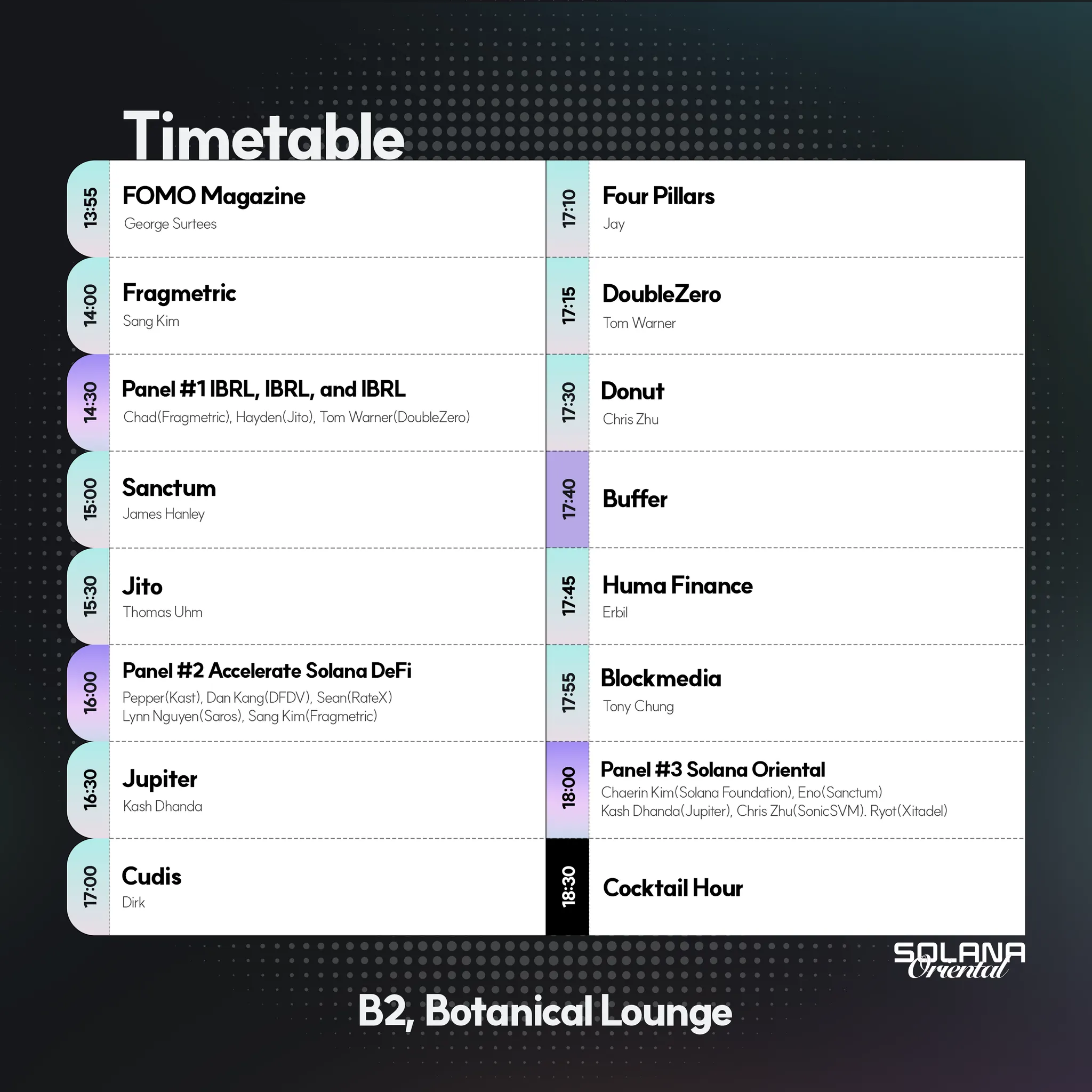
The conference featured an impressive lineup of partners and sponsors, including Jupiter, Sanctum, Backpack, Jito, Saros, Defi Development Corp, KAST, SonicSVM, RateX, Huma Finance, Donut Browser, Cudis, DoubleZero, Xitadel, and Sharps Technology. Media partners such as FOMO Magazine, Four Pillars, and Blockmedia also joined the event. Keynote speeches and panel discussions explored Solana’s latest ecosystem priorities — including IBRL (Increase Bandwidth Reduce Latency), Internet Capital Market, and DAT (Digital Asset Treasury) — through in-depth, technical dialogue. The venue was also filled with lively networking sessions and spontaneous exchanges among attendees.
While this recap may not fully capture the energy and atmosphere of the event, it aims to provide a concise summary of the key presentations along with some personal reflections, offering readers a clear overview of the discussions that took place. The full recording of the English-language sessions is available on Fragmetric’s official X (Twitter) post.
Overview
Within just a year of its launch, Fragmetric has achieved rapid growth by operating a diverse range of assets — including fragSOL, fragJTO, fragBTC, fragSWTCH, and FRAG² — each with its own yield structure built through restaking ecosystems or independent protocols.
Among these, the presentation focused particularly on fragSOL, which has achieved an industry-leading yield of over 8% APY within the Solana ecosystem — notably higher than most major LRTs on Ethereum. This performance is driven by a sophisticated revenue pipeline that leverages infrastructure partners such as TipRouter, Switchboard, DePHY, and Ping Network, maximizing returns in MEV tipping and data-feeding opportunities.
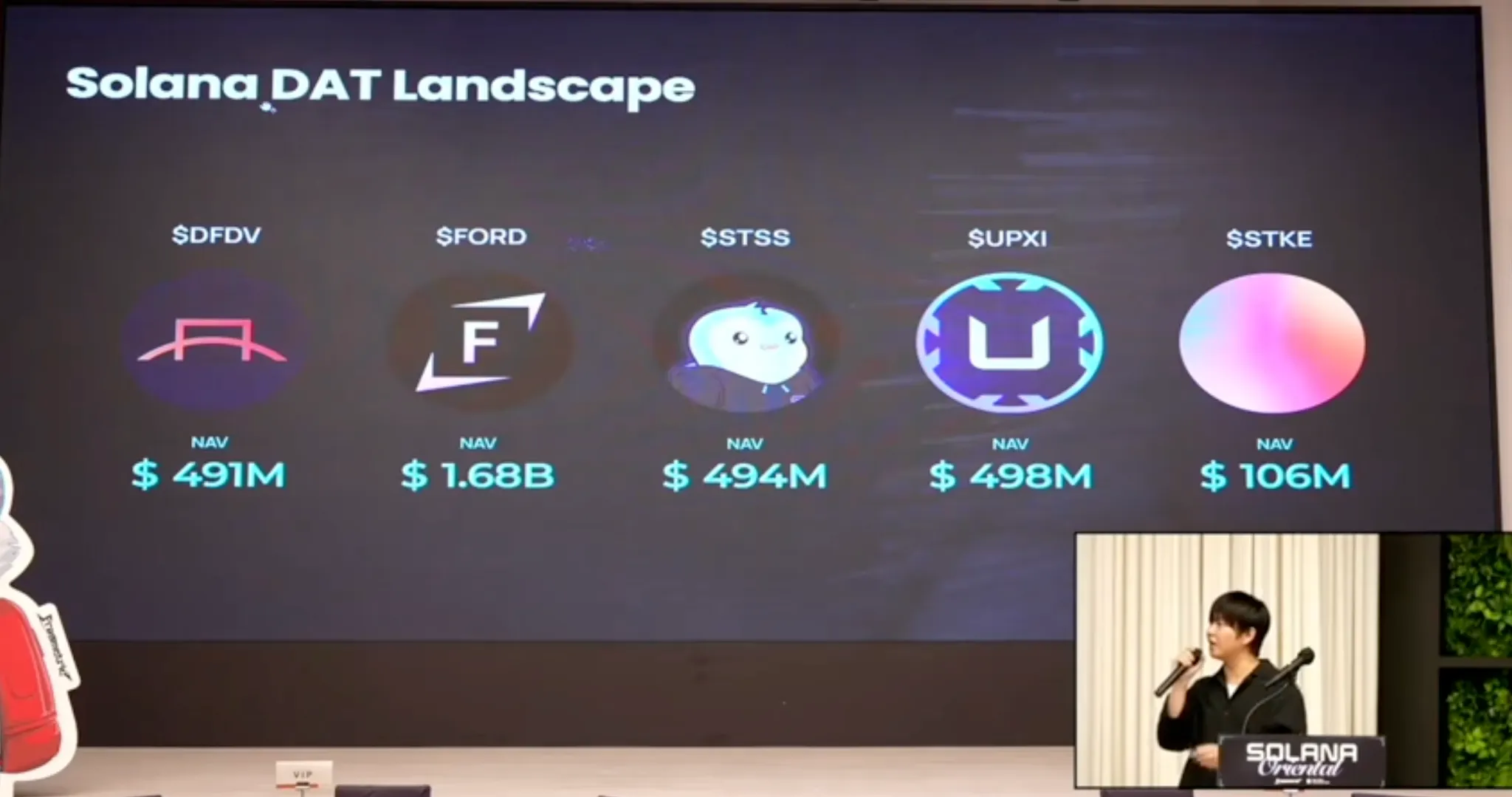
Such a pipeline positions fragSOL as an attractive asset for companies operating Digital Asset Treasuries (DATs). Within Solana’s DAT sector, five major players — $DFDV, $FORD, $STSS, $UPXI, and $STKE — are currently active. To generate yields exceeding Solana’s ~4% inflation rate, these firms must combine staking with DeFi participation. fragSOL offers both the technical reliability and high yield necessary for these projects, making it an ideal partner for DAT operations.
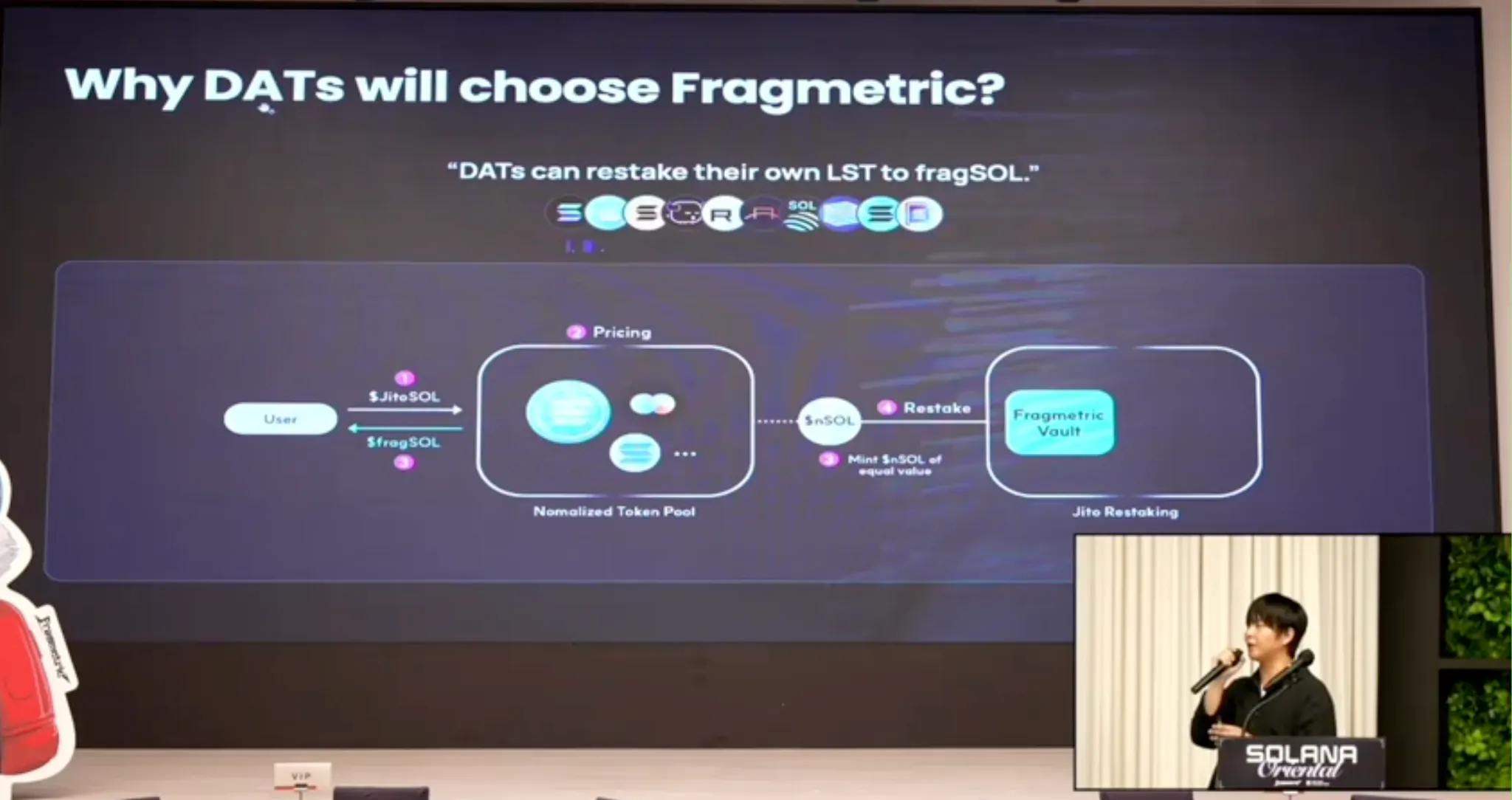
Beyond its optimized yield pipeline, fragSOL is deeply integrated across Solana’s major DeFi protocols — including Kamino, Orca, Meteora, and Exponent. Moreover, Fragmetric operates a Normalized Pool aligned with Jito’s restaking mechanism, enabling seamless interoperability among various Liquid Staking Tokens (LSTs) without fragmentation. This design allows DAT entities to effectively resolve liquidity segmentation issues that often arise when deploying staked SOL across DeFi protocols.
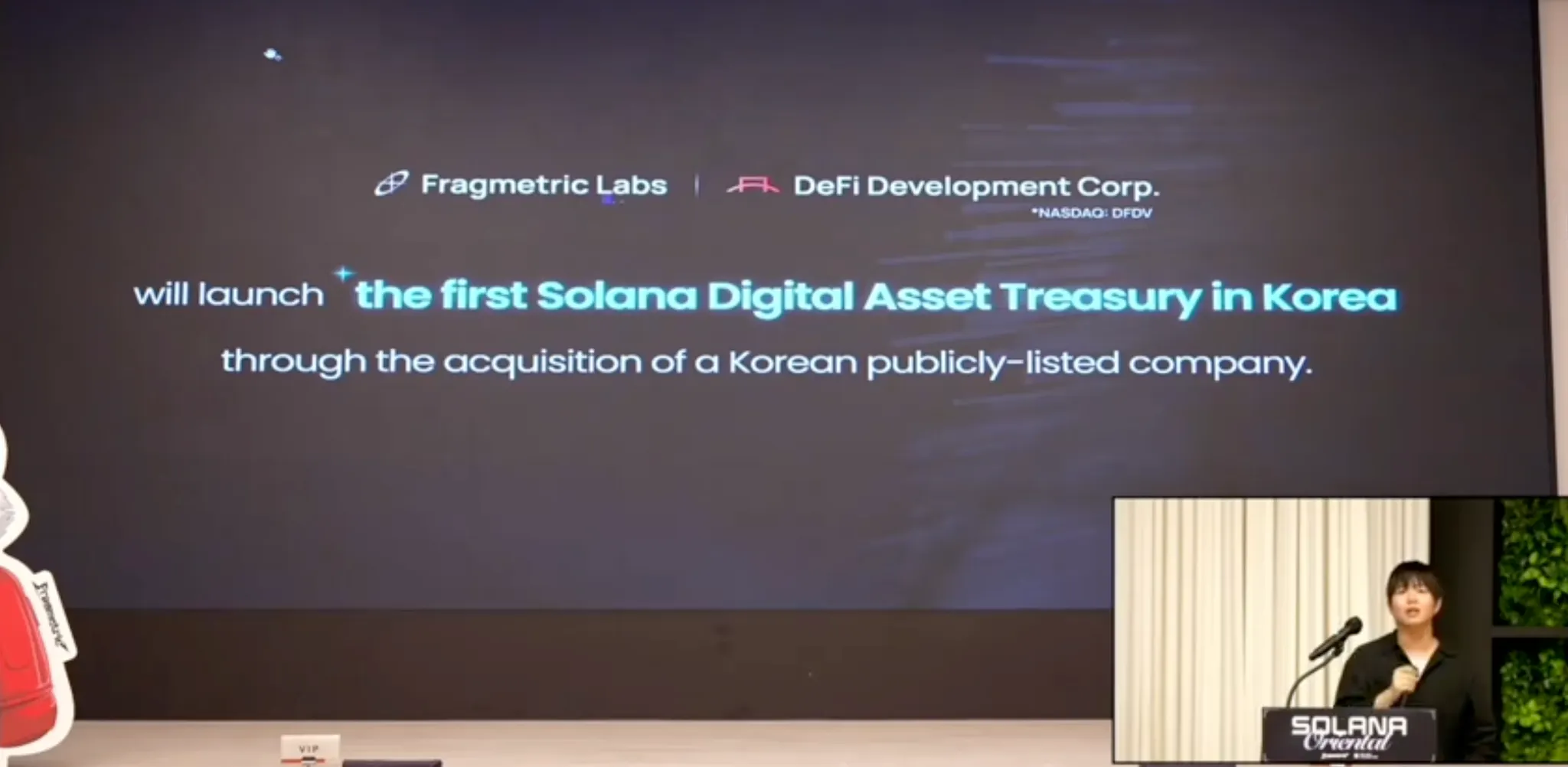
Looking ahead, Fragmetric shared a roadmap that extends beyond technical development — including a collaboration with a NASDAQ-listed DAT company. Together with $DFDV, Fragmetric plans to acquire a publicly listed Korean company to launch a local DAT entity, marking a step toward not only expanding Solana’s ecosystem in Korea but also fostering local talent and long-term ecosystem growth.
Author’s Commentary (by Jay)
Rather than a simple investment vehicle, DAT should be understood as another form of strategic framework for asset management. In other words, what determines a DAT’s ability to build a sustainable, value-accretive cycle is not merely its exposure to crypto assets, but how strategically those acquired assets are managed and redeployed to generate new forms of value. In this context, most DATs—except for those centered around BTC or ETH—tend to collaborate closely with their respective foundations, not only acquiring tokens under favorable terms but also actively utilizing them in staking, DeFi participation, and ecosystem partnerships to drive broader business initiatives.
As Sang mentioned during the presentation, Korea represents a market with significant potential for crypto growth, given its strong builder ecosystem, dynamic investment environment, and increasing institutional interest. Against this backdrop, it is especially meaningful that Fragmetric, with its deep understanding of the Solana ecosystem and its ability to leverage one of the most active DeFi landscapes, is pursuing a Solana-based DAT initiative in Korea. The trajectory of how Fragmetric grows alongside DFDV could serve as a valuable case study amid the growing prevalence of DATs—offering insights into how regional strategy, governance structure, and operational execution can shape the effectiveness of such frameworks across different ecosystems.
Overview
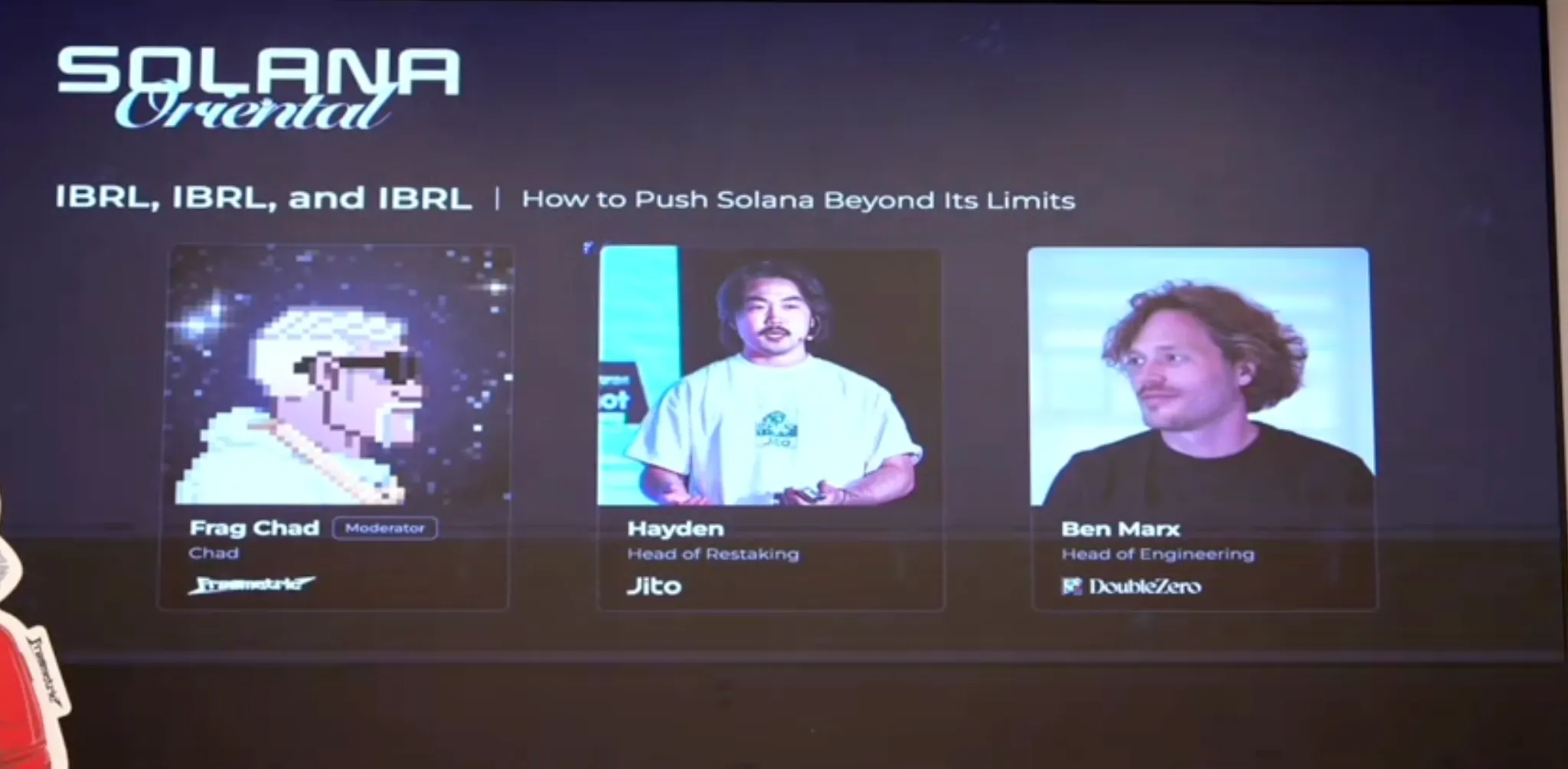
DoubleZero is a global decentralized private network built around the vision of IBRL — Increase Bandwidth, Reduce Latency. Operating at the lowest physical fiber layer, it aims to provide a high-performance infrastructure that enhances the quality of Solana validator networks in its early stages. Anyone can participate by contributing hardware or network links.
While private networks themselves are not a new concept, DoubleZero takes a decentralized approach to addressing issues that traditional ISPs often overlook, such as congestion, packet loss, and jitter. In essence, it follows a similar trajectory to centralized giants like Netflix, Google, or Meta — who built proprietary networks to improve performance — but with a more open and participatory structure.

Jito contributes to this IBRL framework as the scheduling layer. It manages part of the CPU resources responsible for sorting and processing transactions during periods of network congestion. By efficiently ordering pending transactions and optimizing their inclusion in blocks, Jito not only enhances transaction throughput but, when combined with DoubleZero’s low-latency network, provides the foundation for maximizing overall network efficiency.
Jito’s restaking service extends this IBRL model into the economic layer. For instance, Pipe Network is building a decentralized CDN to address packet loss problems often seen in centralized CDNs — and it does so using Jito’s restaking-based infrastructure. In other words, a decentralized protocol can leverage restaking protocol as the incentive layer, where users’ restaked assets can bootstrap the reliability and performance of the network. Particularly, on chains like Solana or Ethereum, which already hold large amounts of staked capital, restaking acts as a powerful mechanism to enhance the utility and productivity of that capital while reinforcing network trust and efficiency.
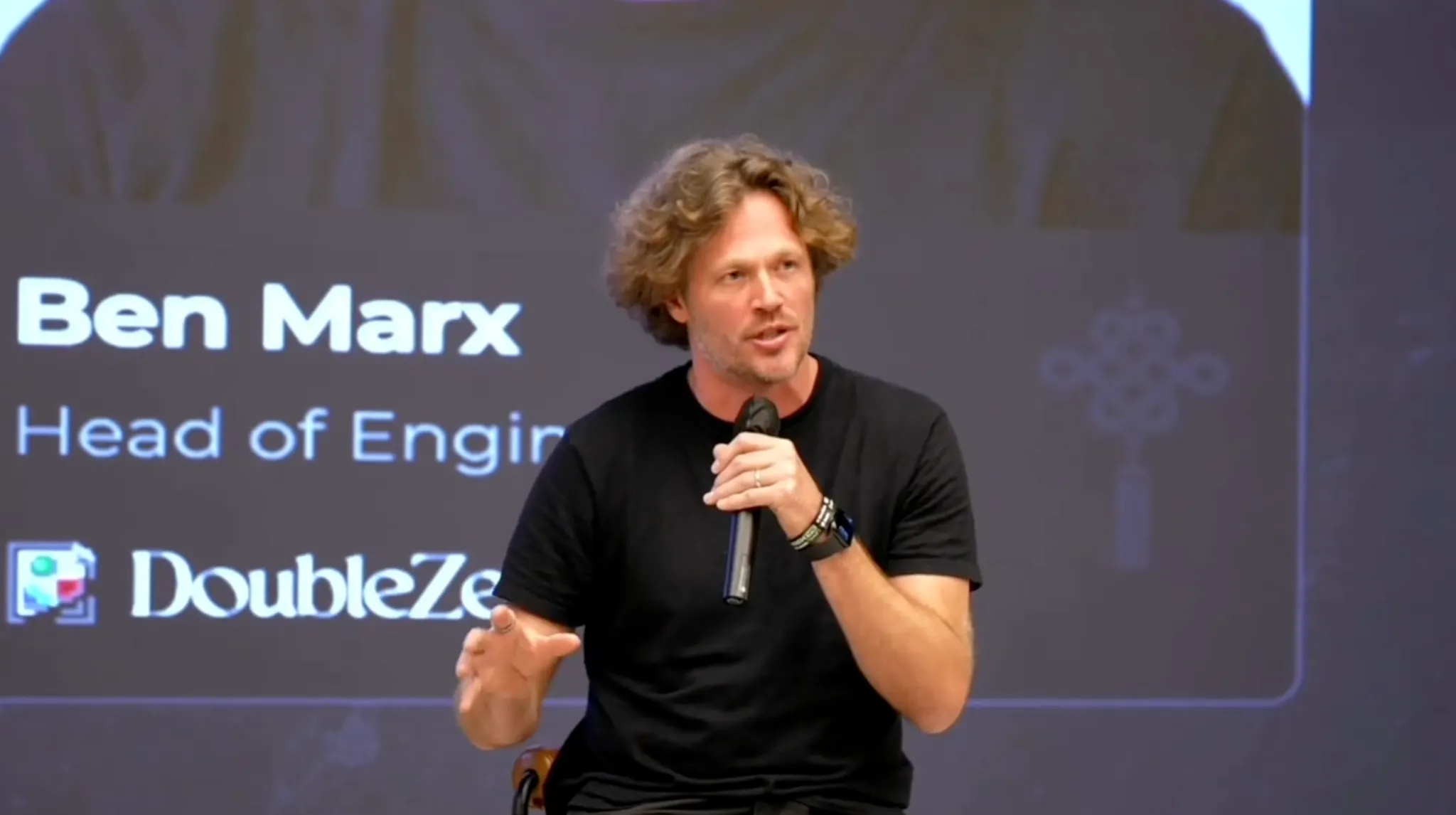
Ultimately, DoubleZero and Jito together form a bridge that brings high-performance, production-grade network infrastructure into the decentralized ecosystem. Beyond a simple partnership, both teams are exploring how DoubleZero’s multicast capabilities can further enhance Jito’s scheduling efficiency — by reducing inter-node communication overhead and delivering synchronized data to multiple validators simultaneously. This synergy could enable Jito to process more valuable blocks faster and with greater stability, marking a significant step forward in network optimization.
Author’s Commentary (by Jay)
Many blockchain projects have sought to overcome the limitations of decentralized networks — the so-called blockchain trilemma — by architecturally optimizing their consensus and execution layers. Yet, from a broader perspective, the greatest performance leap may ultimately come from optimizing at a lower level: the physical hardware and network scheduling layer. In this light, the collaboration between DoubleZero and Jito stands out as a meaningful example.
While DoubleZero focuses on improving data transmission efficiency and network reliability, Jito acts as the coordination layer that maximizes transaction processing performance. When these two layers converge, the result is more than just faster speeds — it represents a tightly integrated infrastructure where the physical and logical layers operate in harmony. Such synergy between DoubleZero’s network infrastructure and Jito’s scheduling framework could serve as the inflection point that accelerates the spread of the IBRL vision across the entire Solana ecosystem and beyond.
Overview
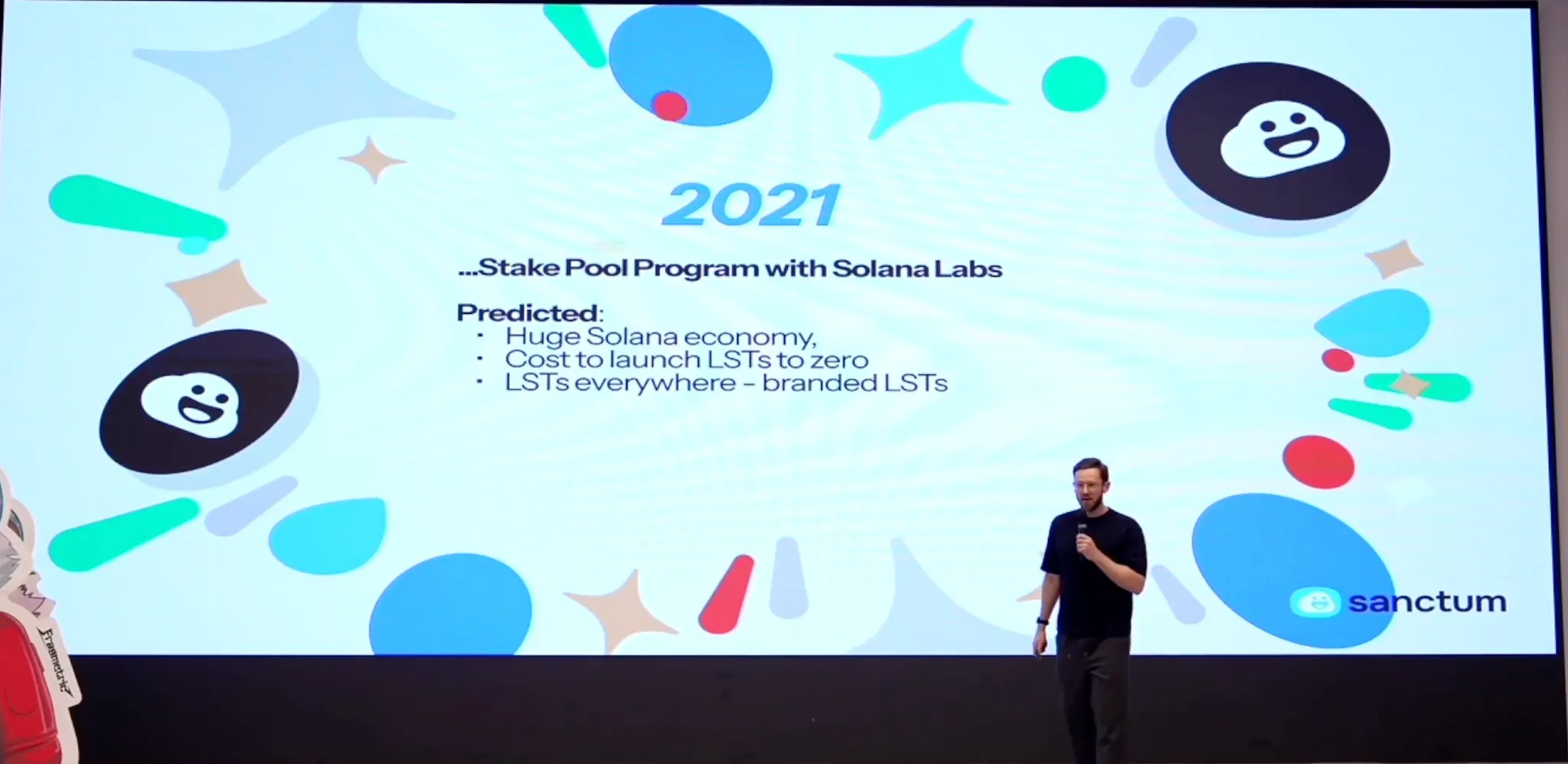
Sanctum, a leading LST (Liquid Staking Token) project on Solana, traces its roots back to 2021 when three Solana Labs researchers were exploring the Stake Pool Program. Anticipating that the LST market would naturally expand as Solana’s economy matured, they began building the foundational infrastructure for that future — and thus, Sanctum was born.
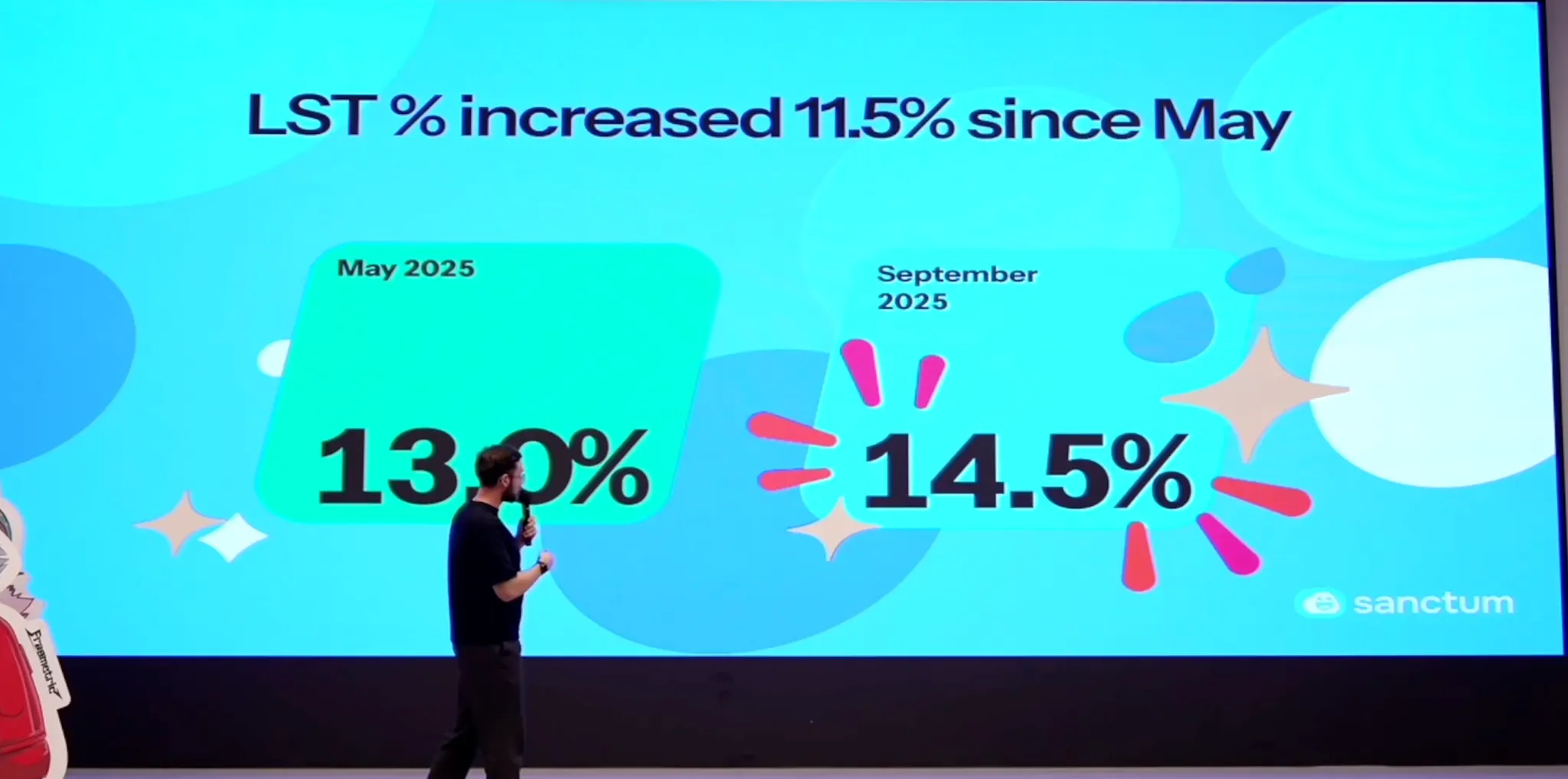
Today, Sanctum has become the fourth-largest protocol on Solana and one of its most critical infrastructure providers. It powers LST services for key ecosystem partners such as Drift, Jupiter, and Moonpay — with products like jupSOL, bbSOL, and dSOL collectively reaching around 9.3 million SOL in size. In just two years, Solana’s LST market has grown fivefold through Sanctum, and as of September 2025, roughly 14.5% of all staked SOL has been converted into LSTs. This growth has driven Sanctum’s TVL close to 14 million SOL, solidifying its role as a cornerstone of Solana’s staking economy.

Sanctum’s flagship product, Infinity (INF), is a multi-LST liquidity basket that aggregates various LSTs into a single tradable pool. Users can deposit SOL or LSTs to receive INF tokens, whose value accrues from swap fees generated between different LSTs. INF has consistently outperformed major LSTs such as mSOL and jitoSOL, and Sanctum’s model has created a flywheel effect where liquidity deepens as LST TVL increases. Building on this structure, Sanctum is also expanding into institutional staking products and related financial derivatives.
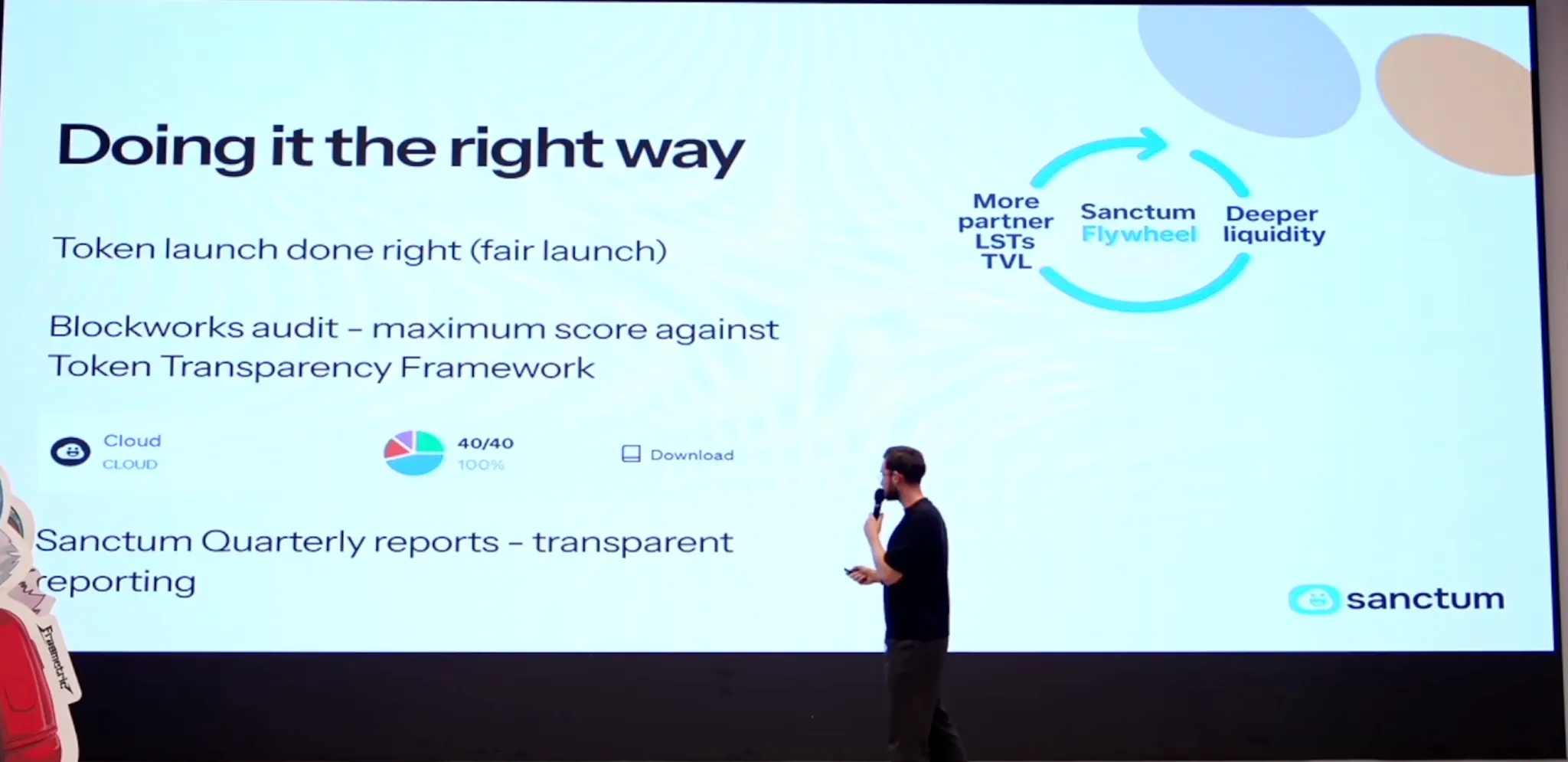
At its core, Sanctum operates under the philosophy of “Doing it the right way.” When launching its native token $CLOUD, the team avoided costly CEX listings and influencer-driven marketing campaigns. Instead, it earned high marks under Blockworks’ Token Transparency Framework and continues to publish transparent quarterly reports. Guided by these principles, Sanctum now stands to benefit from new liquidity and partnership opportunities brought by emerging DAT players entering the Solana ecosystem.
Author’s Commentary (by Jay)
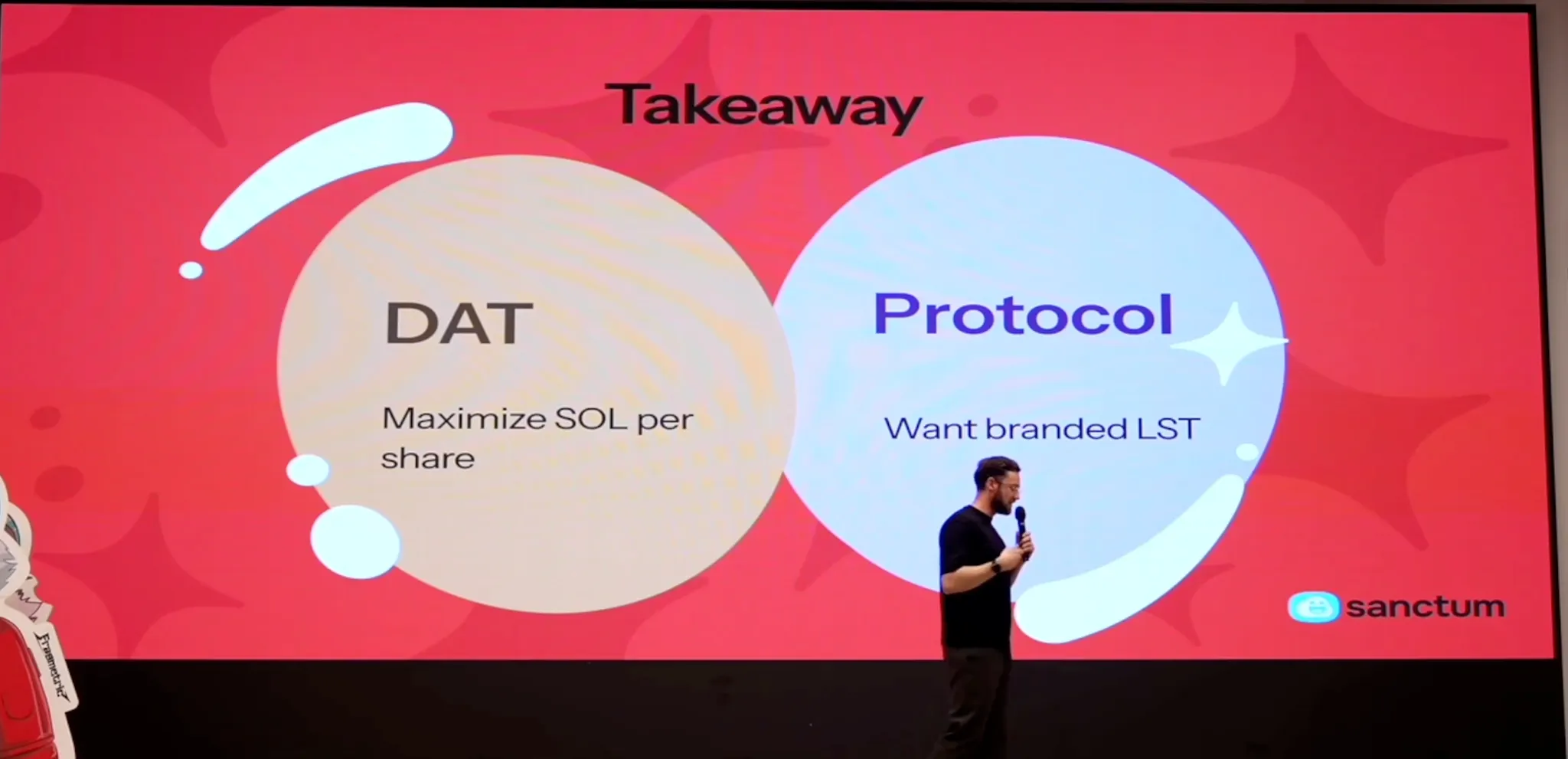
Unlike Bitcoin — often regarded as “digital gold” with relatively limited utilization — the native assets of smart contract platforms are increasingly becoming strategic yield-generating instruments for institutions rather than mere investment holdings. In this context, gaining exposure to LSTs, which not only offset inflation but also integrate seamlessly across DeFi ecosystems, has become a core strategy rather than an optional one.
Sanctum’s approach — unifying diverse LSTs under a single fluid environment and continuously expanding new financial products on top of that — represents what can best be described as the purest and most authentic alpha play on $SOL.
Overview
DeFi emerged to address the structural inefficiencies of traditional finance and, through its core property of composability, holds the potential to create entirely new forms of financial markets. Yet, with the total crypto market cap hovering around $4 trillion, it still remains relatively small compared to traditional asset classes. To reach the next level of market maturity, institutional adoption is essential — a key inflection point that could connect DeFi with the broader financial system in a meaningful way.
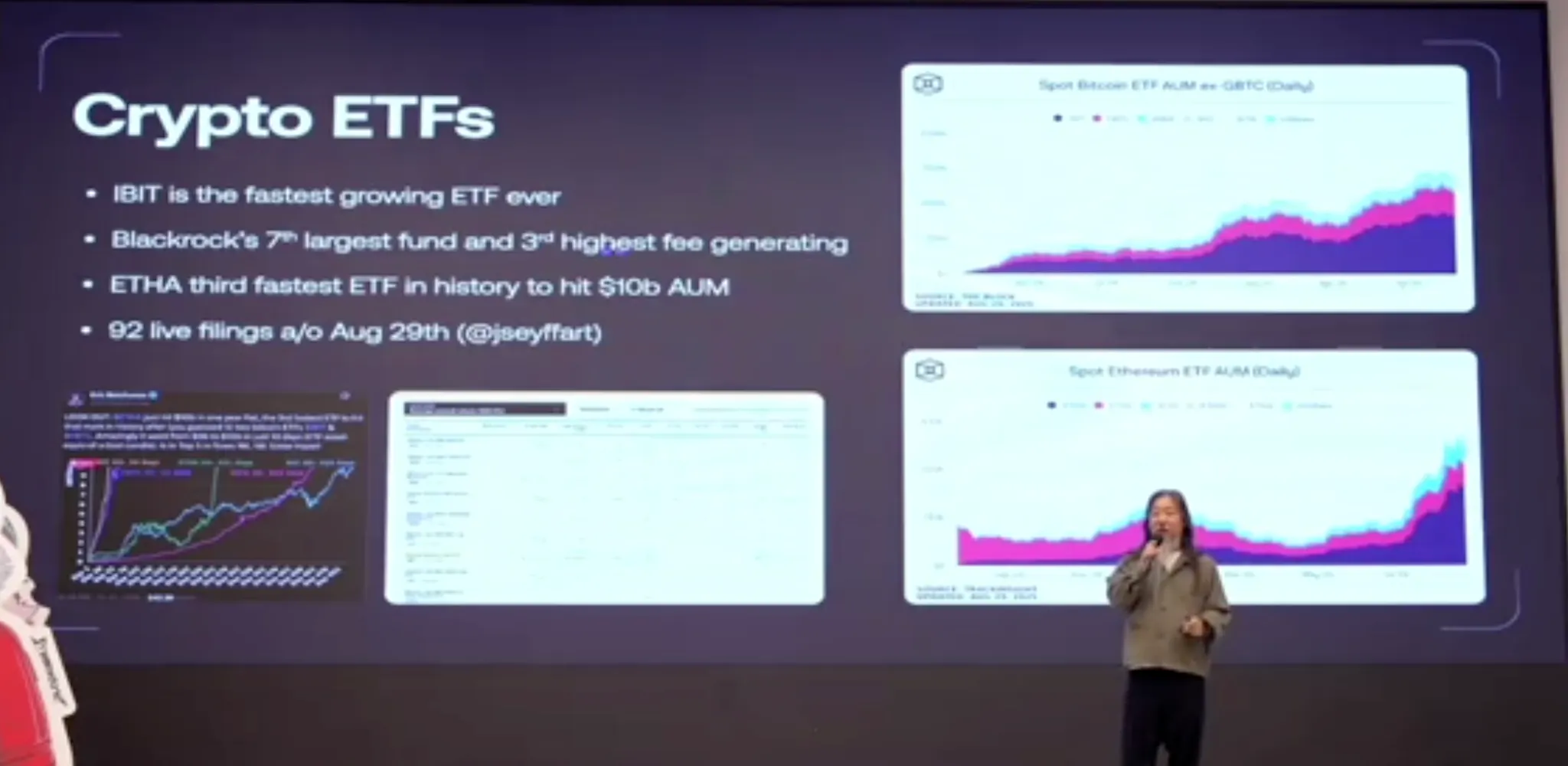
The global capital market is already moving swiftly in this direction. ETFs such as IBIT (Bitcoin) and ETHA (Ethereum), along with Europe-based ETPs, have continued to deliver strong performance and attract substantial inflows. The SEC’s approval of Generic Listing Standards has further opened the door for exchanges to list ETFs directly, paving the way for more diverse products — from single-asset funds to index-based structures. This shift enables traditional financial institutions to apply more granular and sophisticated trading strategies to crypto assets, accelerating integration with mainstream finance.
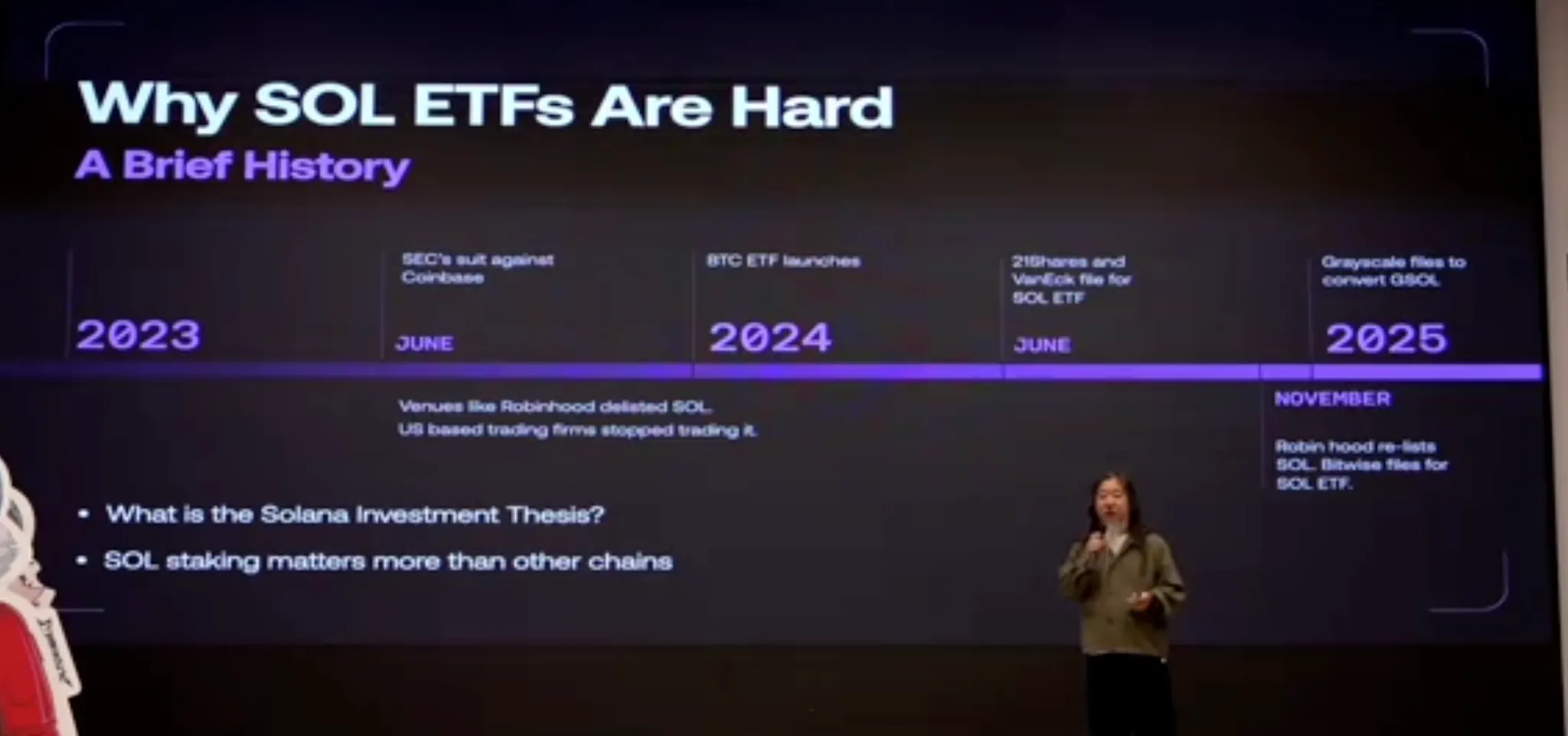
Solana has also been part of the ongoing ETF discussion, though it faced significant regulatory challenges in the past. During the Coinbase unregistered securities lawsuit, the SEC categorized Solana as a security, making it difficult for institutions to buy or hold $SOL directly. The lack of a clear investment thesis and concerns over its inflationary token structure further dampened institutional interest. Recently, however, market sentiment has shifted dramatically — with institutional investors now closely watching Solana’s potential ETF approval, expected to arrive sometime around October 2025.
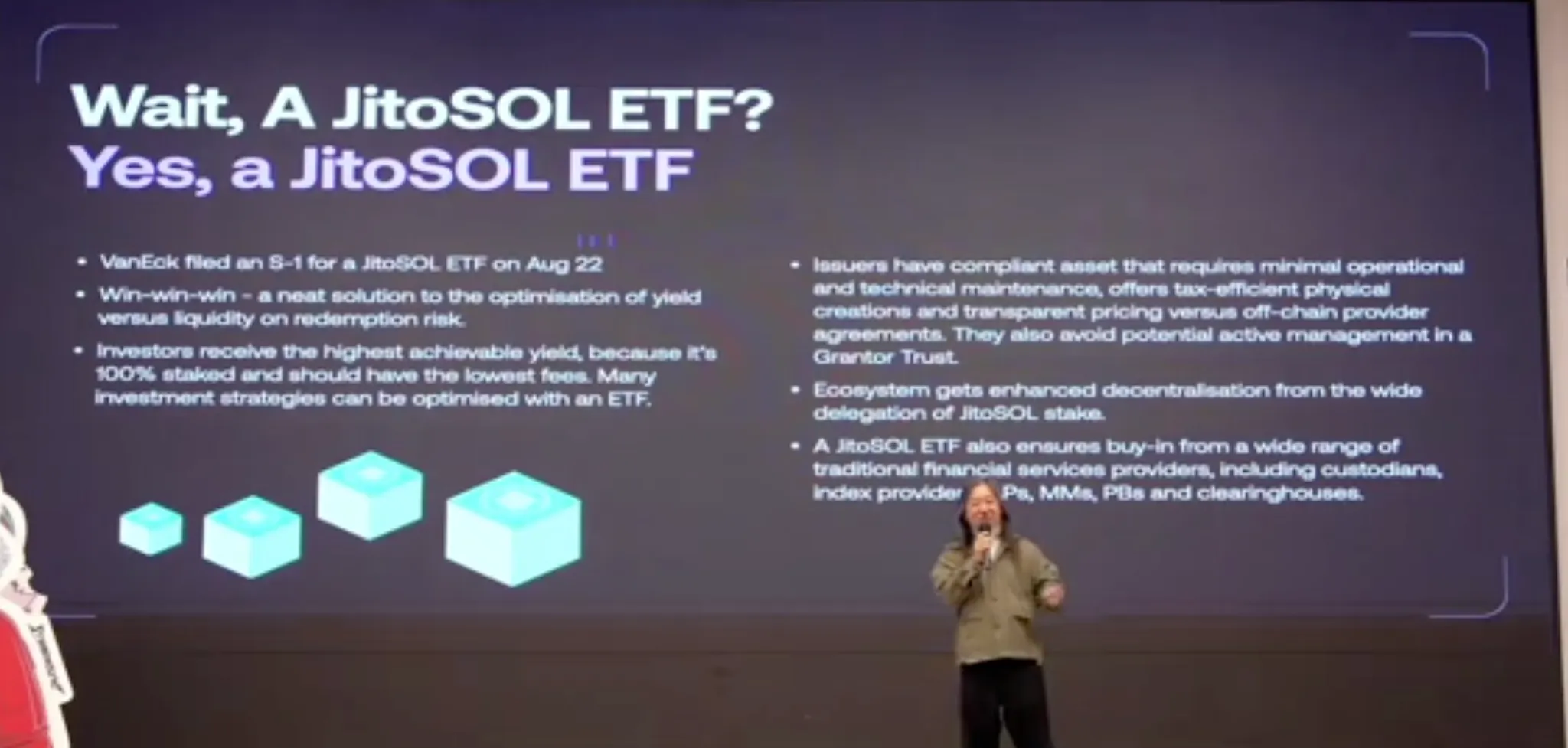
Of particular note, VanEck filed for the JitoSOL ETF on August 22, 2025 — a first-of-its-kind, staking-based ETF rather than an in-kind versus cash one. Its design offers a triple advantage: enhanced yield and instant redemption liquidity for investors, operational efficiency for issuers, and strengthened decentralization through greater validator participation across the Solana ecosystem.
Consquently, the JitoSOL ETF would enable basis trading, treasury management, and options strategies based on the underlying staked assets — all within a fully compliant framework. This development is expected to significantly expand both liquidity and product diversity across the Solana network.
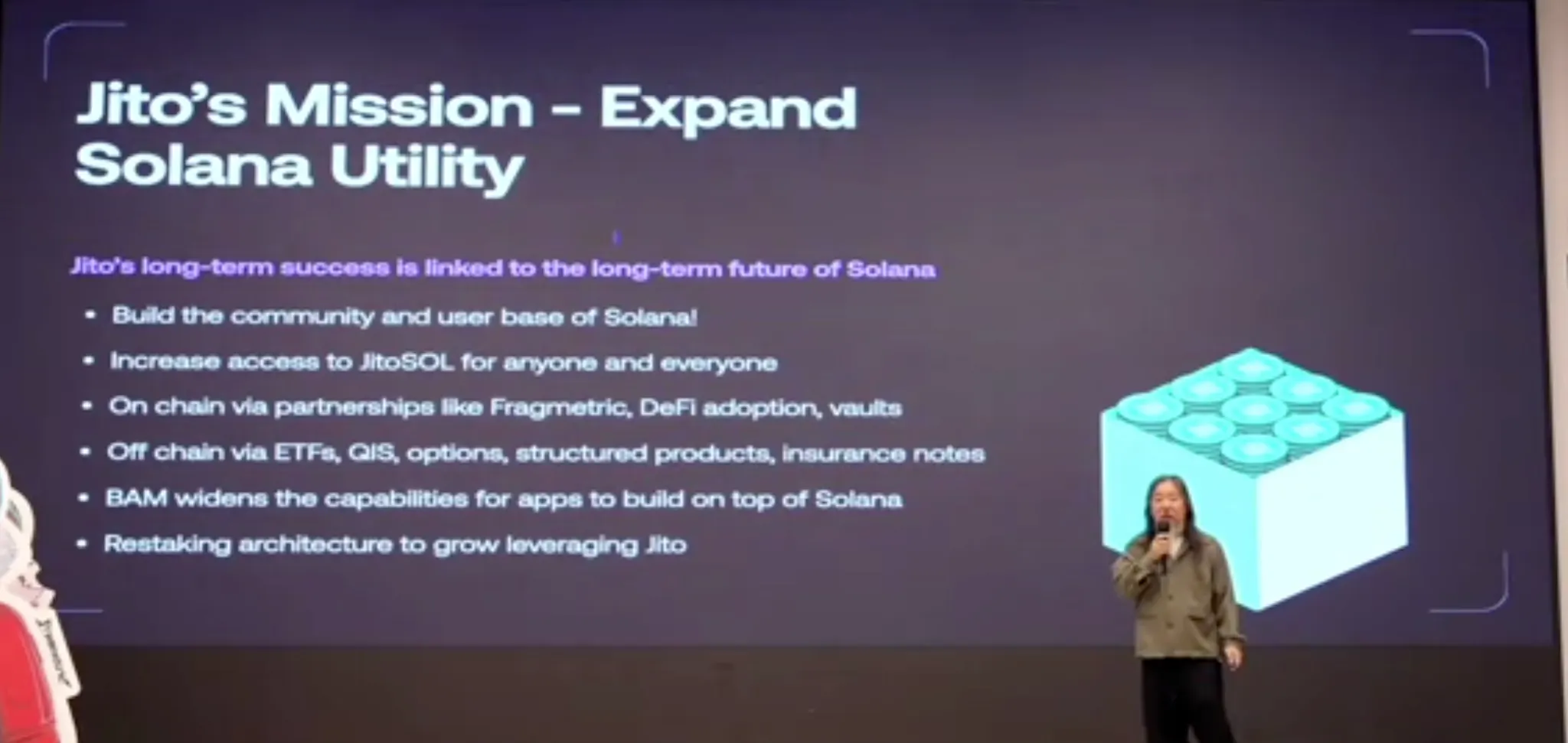
As Jito continues its mission to grow the Solana community and user base, initiatives like the JitoSOL ETF will play a pivotal role in improving institutional access to $SOL.
Author’s Commentary (by Jay)
As Thomas highlighted, unlike Bitcoin, the native assets of smart contract protocols follow entirely different narrative trajectories. Ethereum — often regarded as the most decentralized asset — stands as a benchmark, yet Solana’s vision of building an “Internet Capital Market” demands an even more interconnected DeFi infrastructure that can deliver diverse yield opportunities across its ecosystem. From this perspective, true institutional adoption will hinge on the ability to represent staked Solana as a structured financial instrument.
Encouragingly, shortly after the conference, news broke that the Solana spot ETF had been approved, while anticipation for Lido’s Staked ETH ETF also continued to rise. Should the outlook for a Staked SOL ETF remain positive, JitoSOL — which has streamlined access to Staked SOL through deeply integrated infrastructure — could become the key gateway for institutional investors to enter the Solana ecosystem and maximize on-chain yield opportunities.
Overview
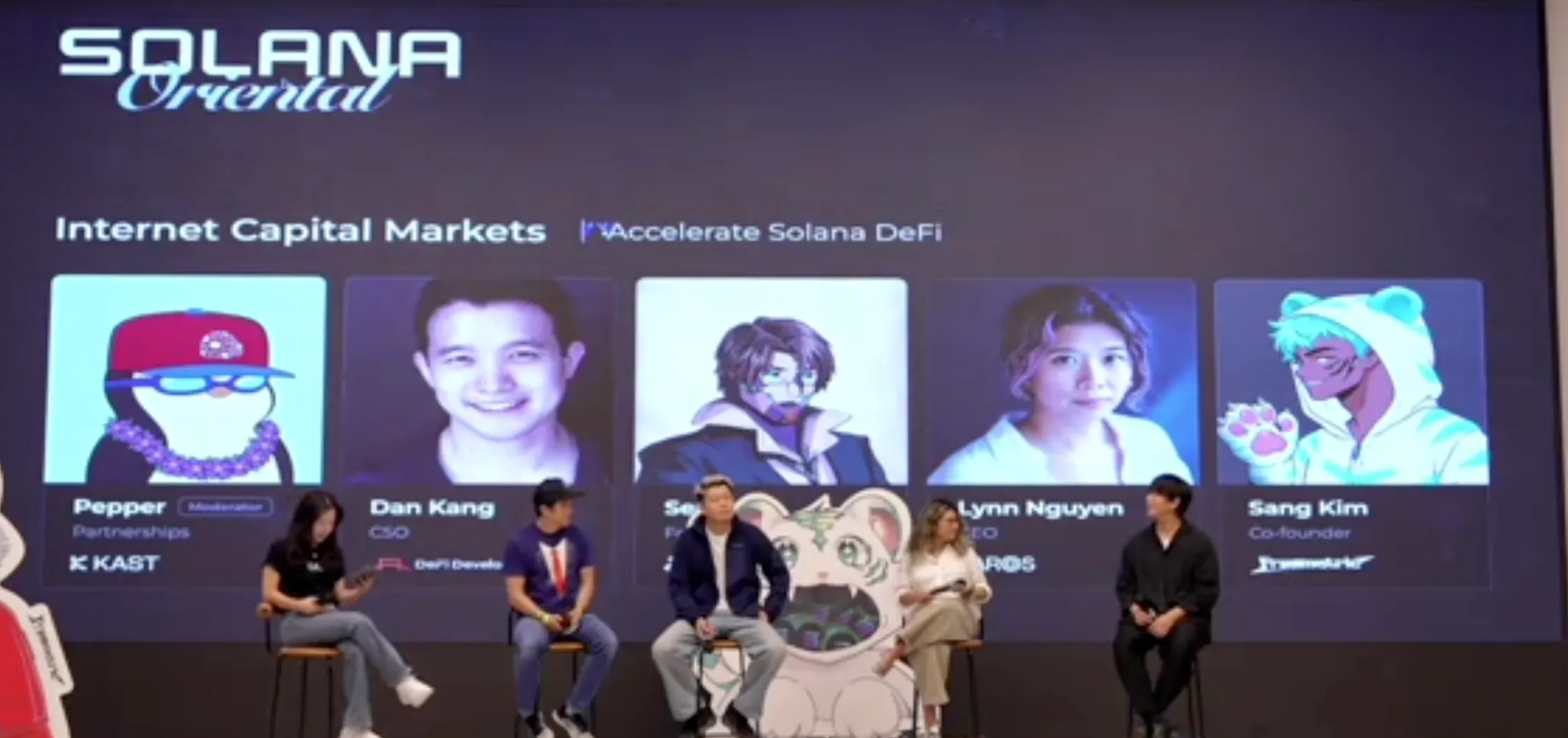
While Solana’s DeFi ecosystem isn’t as mature as Ethereum’s, it stands out for its high staking yields driven by inflation, lightning-fast transaction speeds, and low-cost infrastructure. This structure enhances trading efficiency, stimulates fee-based ecosystem circulation, and opens channels for external capital inflows, such as DATs. As institutional capital—historically concentrated on Ethereum—begins to flow into Solana, it could trigger a flywheel effect of sustained liquidity growth and ecosystem activation.
Looking ahead to next year, three major trends are likely to define the landscape. First, the tokenization of traditional assets such as stocks and bonds will accelerate, with institutions increasingly experimenting with DeFi protocols to explore on-chain composability. Second, crypto-native assets—including meme coins and creator tokens—may once again lead a new market cycle. Since various barriers still limit institutional activity in crypto, retail-driven tokens will continue to play a key role in lowering entry barriers and energizing participation. Third, we can expect a wave of UX-driven innovation in on-chain applications, bridging the gap between Web2 and on-chain environments through more seamless and intuitive trading experiences.
The narrative of Solana as an Internet Capital Market (ICM) is often described as a marketplace where “all kinds of financial assets can be traded anywhere, anytime.” But that definition may undersell its potential. Solana should be understood not merely as a trading platform for diverse asset classes, but as a value transfer infrastructure that enables such activity to happen in the first place. In essence, Solana is evolving into a universal infrastructure for the movement of all forms of digital value — extending beyond financial transactions to underpin a broader, networked capital market economy.
From this perspective, DeFi serves as the operational engine of ICM. DATs, by deploying treasury capital on-chain, bridge traditional liquidity into blockchain networks and help activate it. For example, DFDV operates validators with Solana assets and collaborates with Sanctum to gain LST exposure, building diverse yield structures. RateX integrates multiple yield sources into its trading strategies like Pendle, Saros strategically expands TVL and liquidity depth by onboarding assets and optimizing LP pools, while Fragmetric approaches ICM as an infrastructural initiative linking traditional assets with Solana—partnering with protocols like Jito and Switchboard to build horizontal scalability and robust data pipelines.
Author’s Commentary (by Jay)
As I mentioned in my Solana Mega Report, Solana’s resilience and explosive growth in both its builder base and user adoption stem largely from the clear vision articulated by Solana Labs and the Foundation, and the strong sense of collaboration among builders who shared that vision.
This panel, centered on the shared narrative of the Internet Capital Market, offered a rare opportunity to see how different players within Solana’s DeFi sector are aligned around a common direction. It also shed light on how each project—through its own product strategy—contributes to strengthening this narrative and advancing the ecosystem as a whole.

Overview
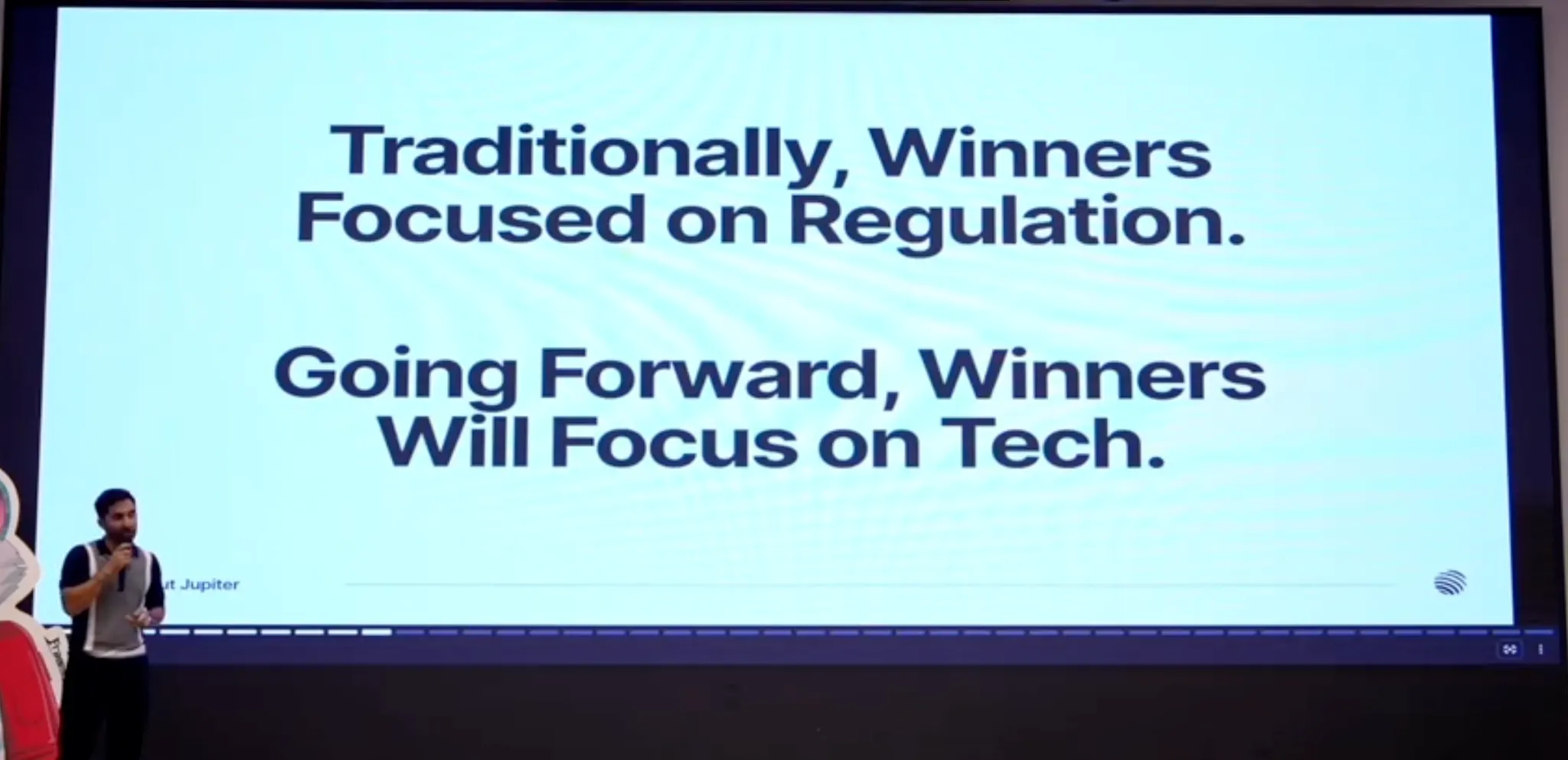
Until now, DeFi has largely been viewed as the antithesis of traditional finance (TradFi). However, the future will likely move toward a fusion of the two — a model of Unified Finance, where DeFi provides the technological rails and TradFi contributes liquidity and access points. Increasingly, long-tail assets are being onboarded on-chain, and the payments sector is rapidly moving on-chain as well — potentially reaching transaction volumes comparable to Visa and Mastercard. Amid this shift, DEX trading volumes and on-chain liquidity continue to show steady growth.
Unlike traditional financial institutions that focus on regulation, lobbying, and compliance staffing, the true winners in DeFi will be those who focus on technological innovation. Jupiter aims to stand at the center of this transformation, with a core vision of building a hub for diverse assets and liquidity. Much like how Google indexes websites to aggregate information, Jupiter seeks to index on-chain assets and liquidity to deliver the most efficient trading experience and become the ultimate gateway to on-chain finance.
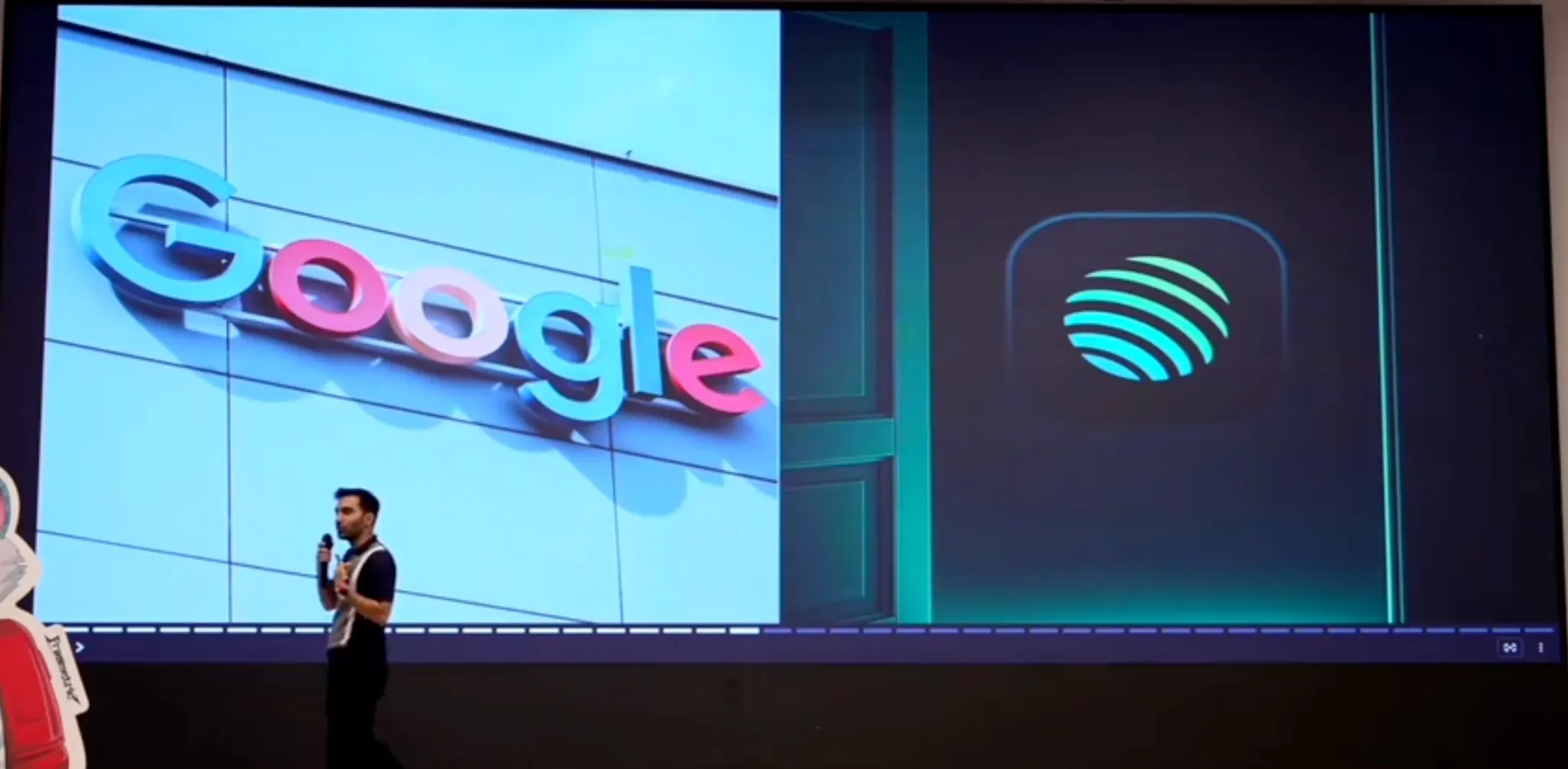
To achieve this, Jupiter is evolving beyond a Solana-based aggregator into a comprehensive financial platform. It is interconnecting multiple components — fiat on/off-ramps, lending, perpetual trading, research, portfolio management, LST and more — to maximize synergy across them. Through a different kinds of strategic partnerships, Jupiter also aims to lower entry barriers to on-chain trading, offering users a seamless experience in moving and managing assets across different environments, from everyday applications to advanced DeFi use cases.
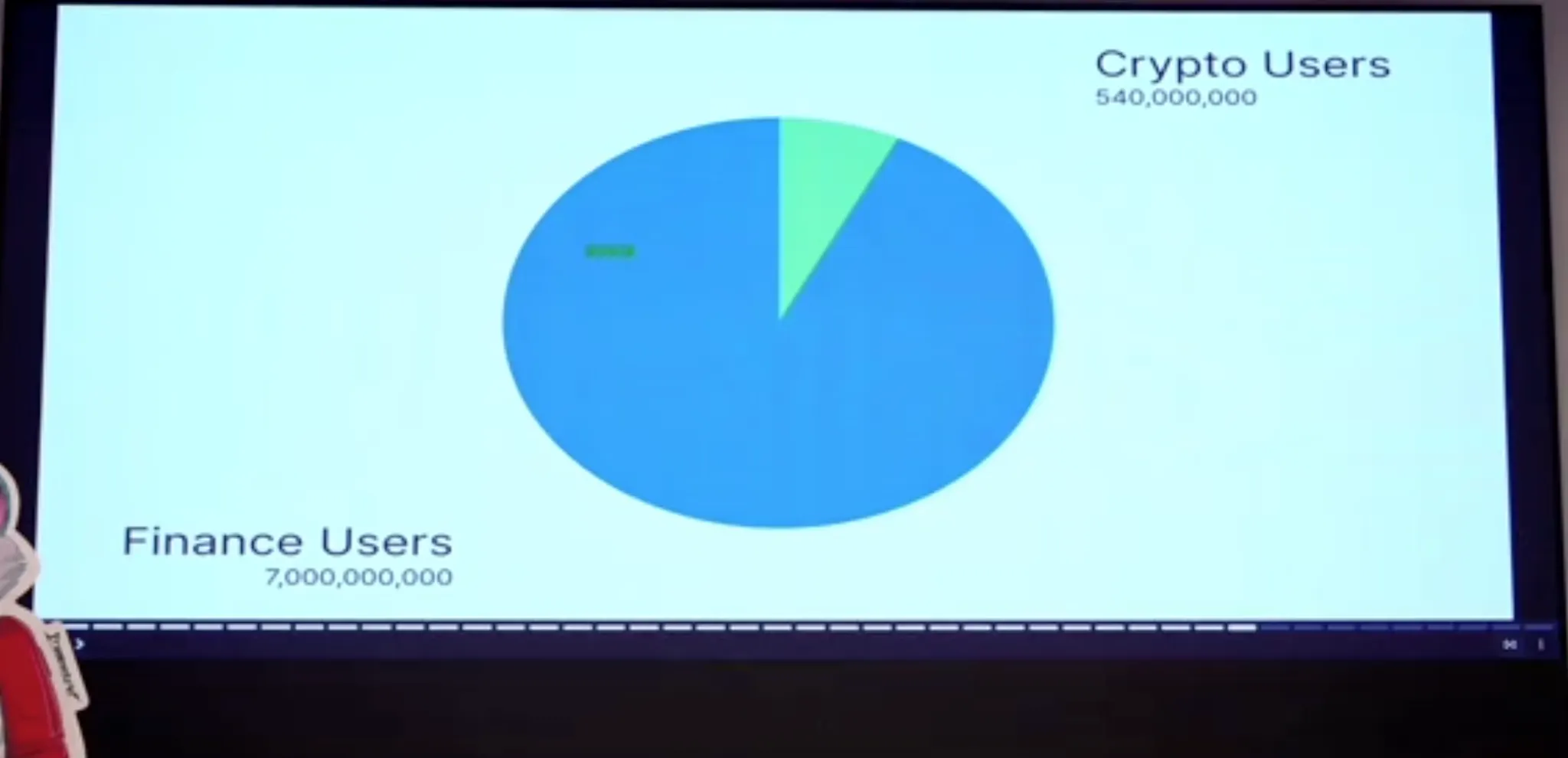
In the near term, Jupiter plans to launch several new products: an open-sourced Jupiter Lend that expands trading experiences for diverse assets, institutions, and DATs; and Jupiter Wallet Extension, designed to enhance accessibility across mobile and desktop. The team also plans to roll out Jupiter Send, a feature connecting Web2 services and on-chain transactions through a frictionless financial interface.
Author’s Commentary (by Jay)

Jupiter is founded on two clear convictions: “on-chain will penetrate online” and “TradFi and on-chain finance will converge.” Guided by these beliefs, Jupiter is evolving into a platform that organically expands its suite of products and generates synergistic value — much like Google did within the web ecosystem.
Since its launch in October 2021, Jupiter has fundamentally improved Solana’s once-inefficient DeFi environment and has consistently pursued its vision of building the best decentralized trading experience on the network. What began as a simple swap engine has since grown into an integrated super-app that connects various DeFi functionalities to deliver the smoothest and most intuitive user experience possible.
Especially, Jupiter is pushing beyond trading efficiency to focus on expanding accessibility today — integrating with wallets and optimizing for mobile to bring more users into the on-chain world. Ultimately, the key to mass adoption lies in abstracting complex logic and infrastructure into a cohesive, user-friendly experience — and this is precisely where Jupiter continues to innovate.
With the convergence of TradFi and on-chain finance, the team’s relentless pursuit of UX excellence, and the expanding base of on-chain liquidity that ties it all together, Jupiter shows the potential to transcend its identity as Solana’s flagship DeFi protocol and emerge as a new financial primitive driving the next wave of on-chain adoption.
Overview
As life expectancy surpasses 100 years, maintaining a healthy lifestyle increasingly depends on proper sleep, exercise, mental wellness, nutrition, and the regulation of exogenous molecules. Cudis is building a protocol that enhances these elements through the integration of AI and blockchain technology. By developing open-source tools, Cudis aims to create a wellness ecosystem where users can retain full sovereignty over their health data—living healthier lives while maintaining ownership and control of their personal information.
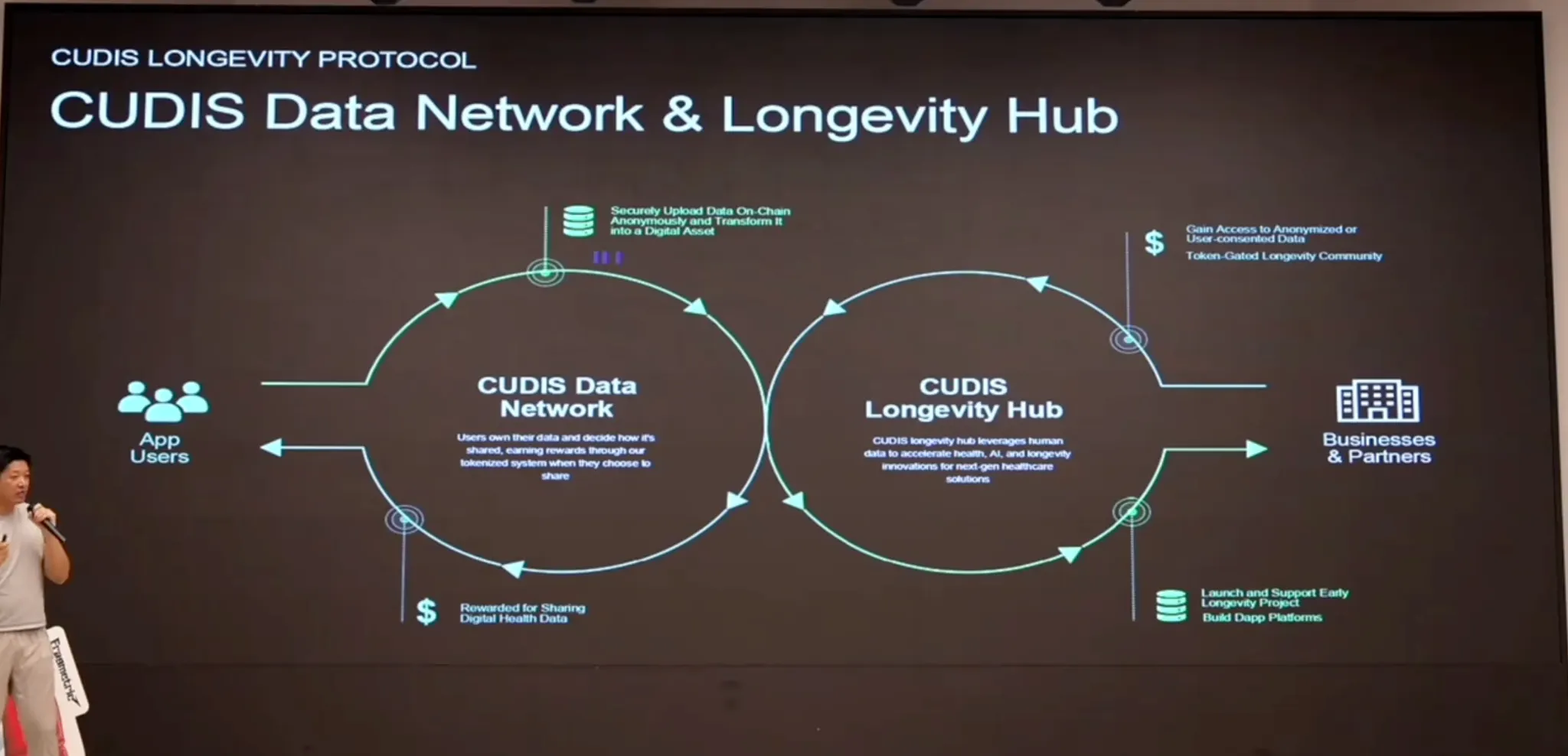
At the heart of this ecosystem is the Cudis Ring, a smart device that collects biometric data and connects it with wallets and data marketplaces. Through voluntary data labeling, users can provide their information to developers or businesses, fueling a self-reinforcing flywheel effect. The platform also introduces wellness quests and social features that gamify healthy behavior with on-chain rewards. Cudis currently has over 250,000 app users and 24,000 ring owners across more than 100 countries, and continues to expand globally through partnerships with professional athletes and wellness organizations.
Author’s Commentary (by Jay)
As the wellness industry continues to grow worldwide, it’s fascinating to see blockchain projects exploring this space. Cudis’s attempt to build a wellness ecosystem grounded in data sovereignty—empowering users to own and benefit from their health data—is particularly compelling.
That said, the project’s lack of technical transparency around how user data is collected, protected, and made available on the marketplace leaves some questions about its practical feasibility. Moreover, compared to existing health and wellness applications, the economic rationale and necessity of the $CUDIS token remain somewhat unclear, suggesting room for improvement in articulating its true utility within the ecosystem.
Overview
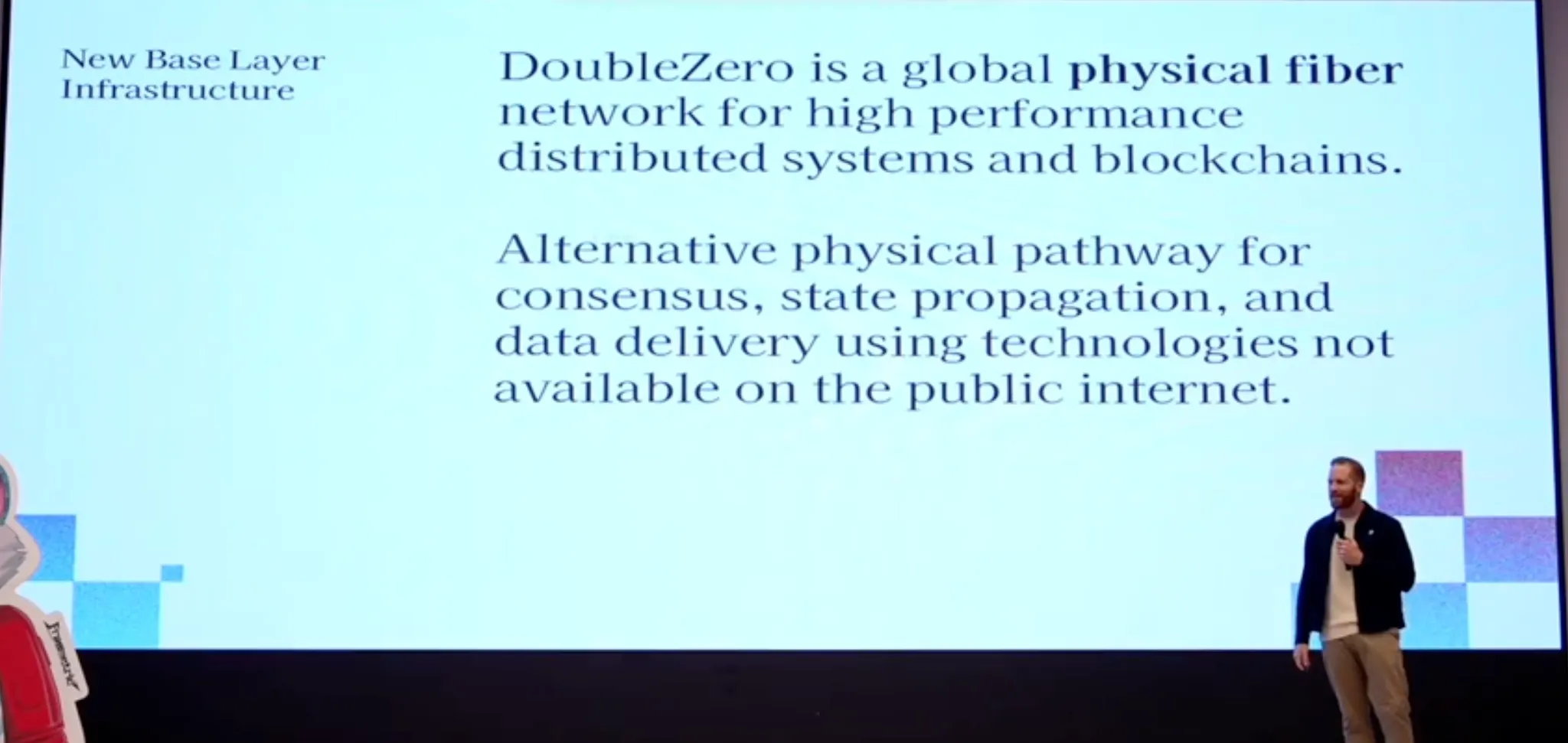
DoubleZero is a dedicated internet network built specifically for crypto infrastructure, designed to overcome the inherent limitations of the public internet. Today, transactions are routed through public RPC nodes before reaching validators, often bouncing through multiple intermediary hops — introducing latency and noise along the way.
In short, there has been no optimized network architecture purpose-built for crypto transactions. DoubleZero addresses this by establishing a private fiber network for the blockchain’s public participants, aiming to deliver a high-performance communication layer that allows blockchains to operate more efficiently.
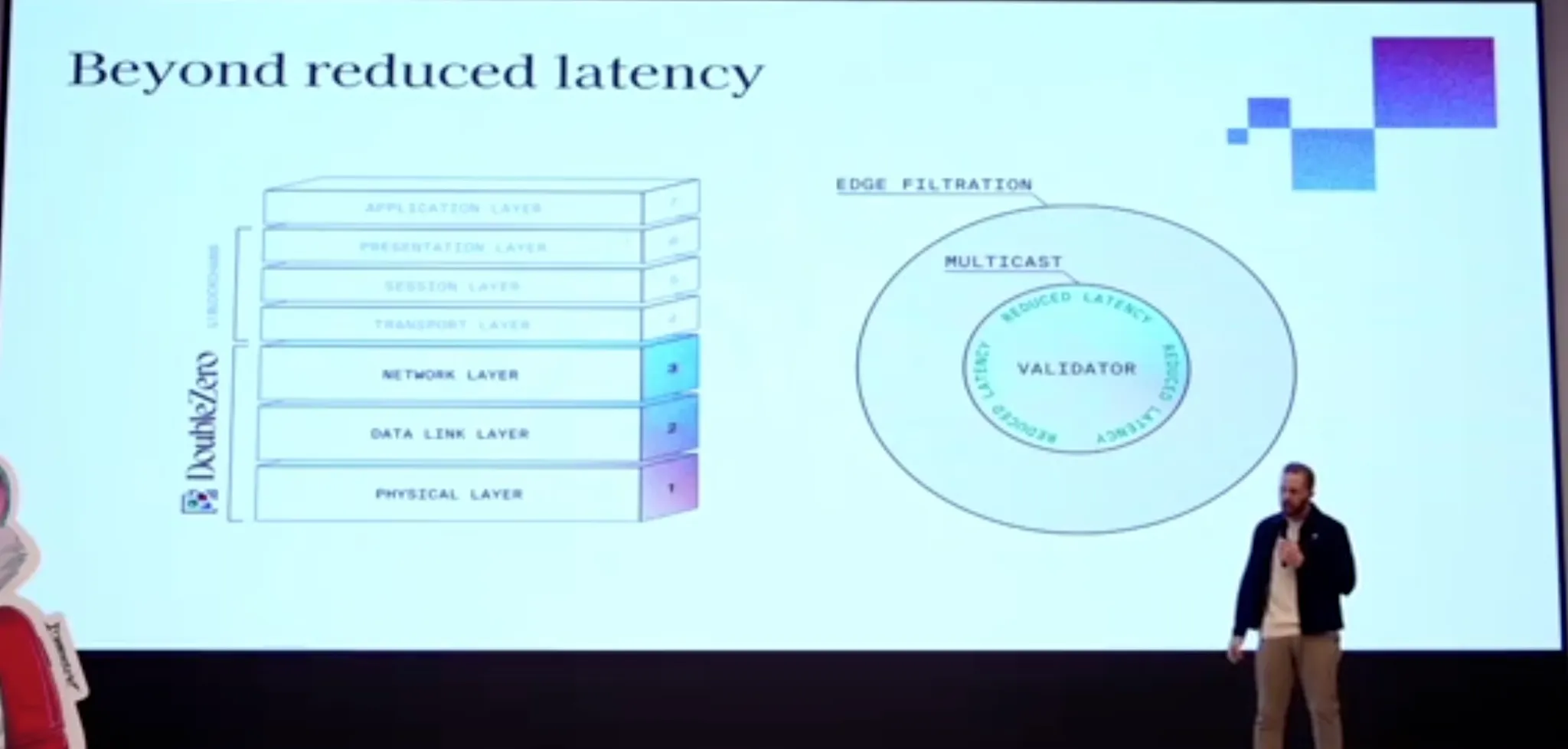
At its core, DoubleZero functions as a high-speed pipeline for transaction flow, offering two key capabilities. The first is Edge Filtration, which filters out redundant or unverified spam transactions — accounting for more than 60% of Solana’s network traffic — and delivers only high-quality transactions to validators. The second is Multicast, a technology that enables simultaneous state updates across the network. While traditional unicast communication requires validators to exchange thousands of messages, multicast removes this inefficiency, creating a far smoother and faster communication environment.
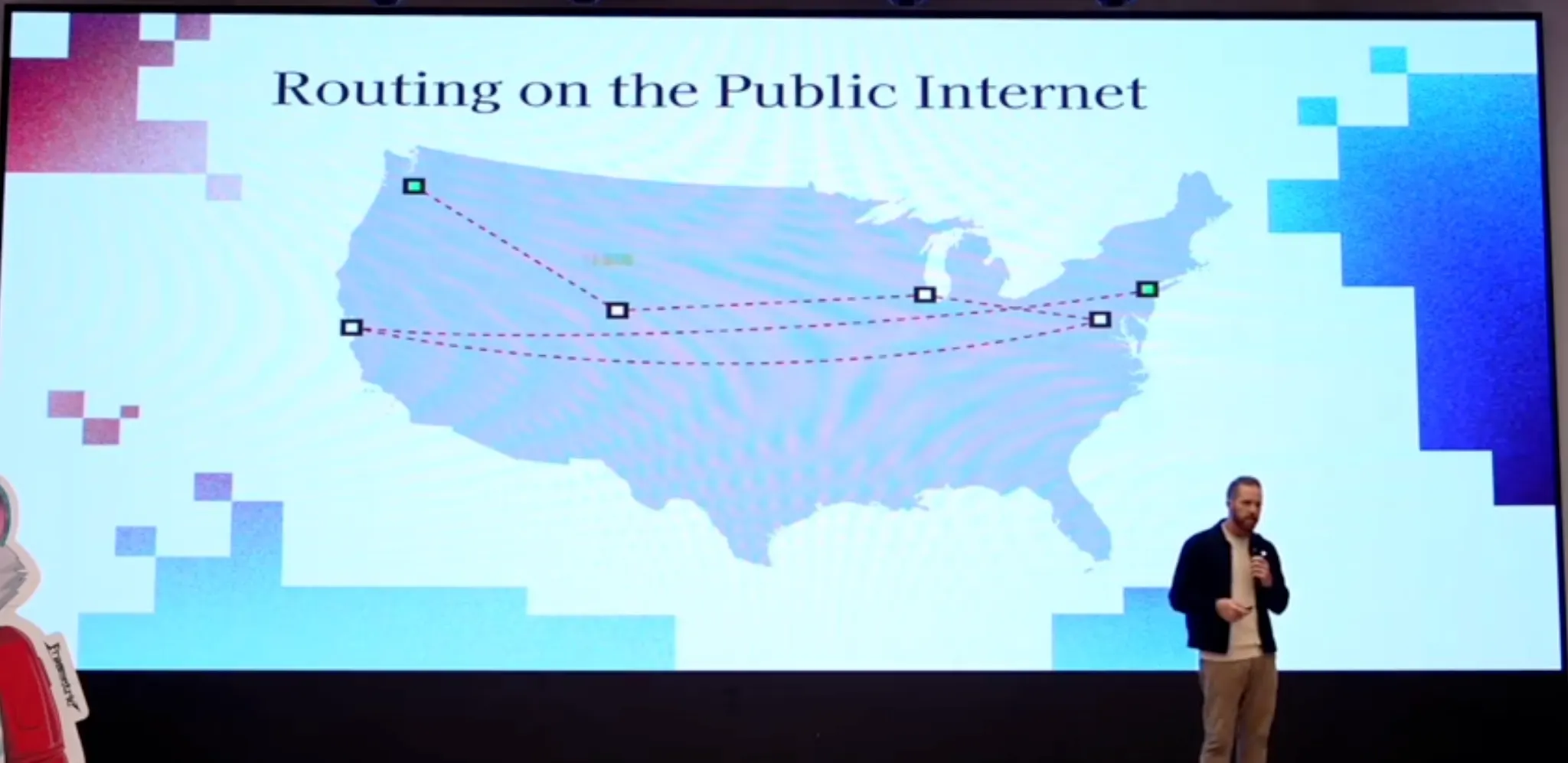
Unlike the public internet, where data routing relies on peering agreements between large corporations and lacks priority or optimal pathing, DoubleZero optimizes communication routes and maximizes data delivery efficiency. This advancement not only enhances network speed but also represents a fundamental improvement in stability and reliability.
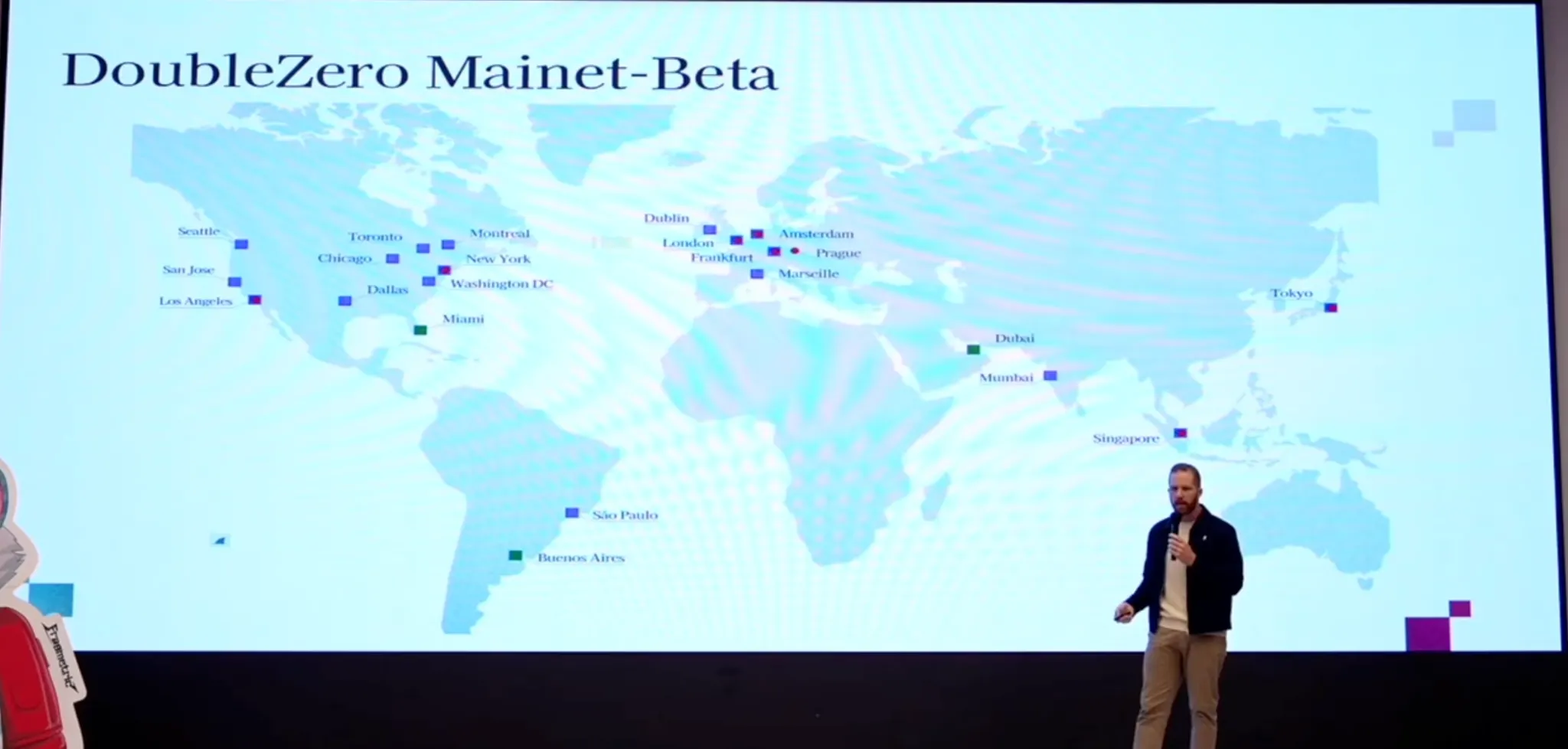
Looking at the on-chain landscape, Solana’s current staking distribution remains heavily concentrated — with over half of all stake located in just three regions — creating a centralization risk. DoubleZero seeks to mitigate this by encouraging validator distribution near regions where real transaction activity occurs, fostering a more decentralized and resilient network.
Beyond Solana, DoubleZero aims to become chain-agnostic, with 12 network contributors and more than 270 Solana validators already supporting its mainnet beta. Today, approximately 20% of Solana’s total staked assets are being routed through the DoubleZero network — a clear signal of its growing adoption and influence.
Author’s Commentary (by Jay)
While global data generation continues to surge exponentially, hardware processing power — once doubling predictably under Moore’s Law — has plateaued. This widening gap between data creation and processing capacity poses serious challenges for communication systems that must filter and handle massive volumes of information. Within crypto, this limitation is even more pronounced, as public-internet-based infrastructure struggles with transaction throughput, making fundamental scalability improvements increasingly difficult.
Against this backdrop, DoubleZero offers a promising solution by connecting idle fiber resources worldwide into a unified, optimized network. This not only maximizes bandwidth utilization but also balances computing demand and supply, potentially alleviating crypto’s long-standing network bottlenecks and accelerating on-chain adoption across diverse use cases.
Most notably, the pace of DoubleZero’s adoption is remarkable. Less than a year since its testnet launch — and only months into its mainnet beta — a significant number of Solana validators have already integrated the network and are operating stably. Such rapid uptake underscores the practical effectiveness and necessity of DoubleZero’s architecture within the real-world blockchain infrastructure landscape.
Overview
The Donut Browser team previously onboarded over two million users through a TikTok trading app, but after the app was banned by TikTok, they decided to build their own independent platform. Drawing from that experience, the team set out to create a Web3-native frontend where various types of assets across the internet could be freely financialized and traded — and that vision gave birth to Donut Browser.
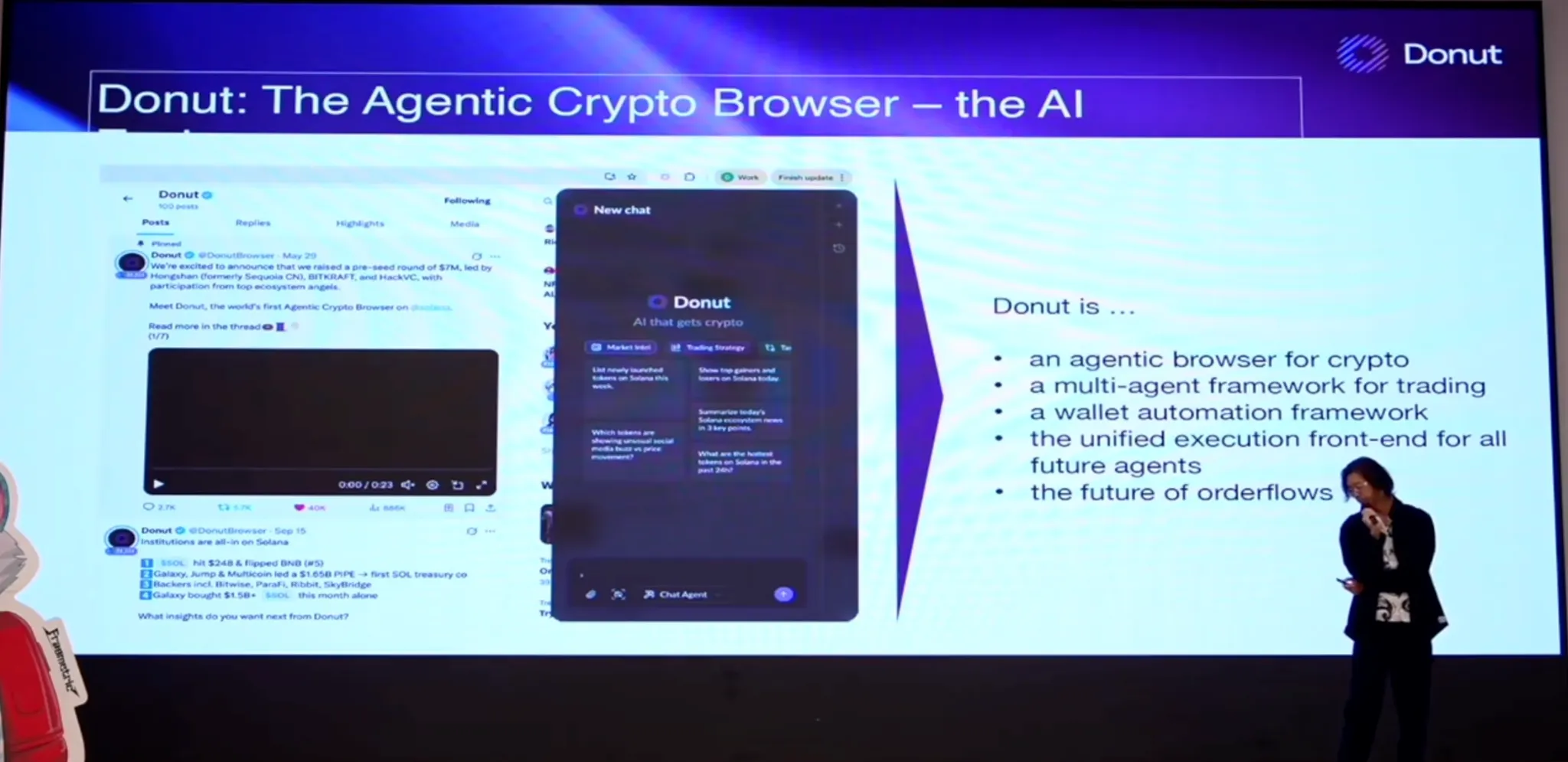
At its core, Donut Browser is both a framework and a decentralized exchange (DEX) that allows users to request information from multiple AI agents and execute trades seamlessly. It has two key features: first, as a middle communication layer, it performs parallel routing to quickly aggregate data from multiple sources and support the execution of a bunch of customized trading strategies. Second, based on extensive research into trading behavior, it offers agent-driven analysis and trade suggestions, as well as trading view tooling, to deliver a more intuitive and enhanced user experience.
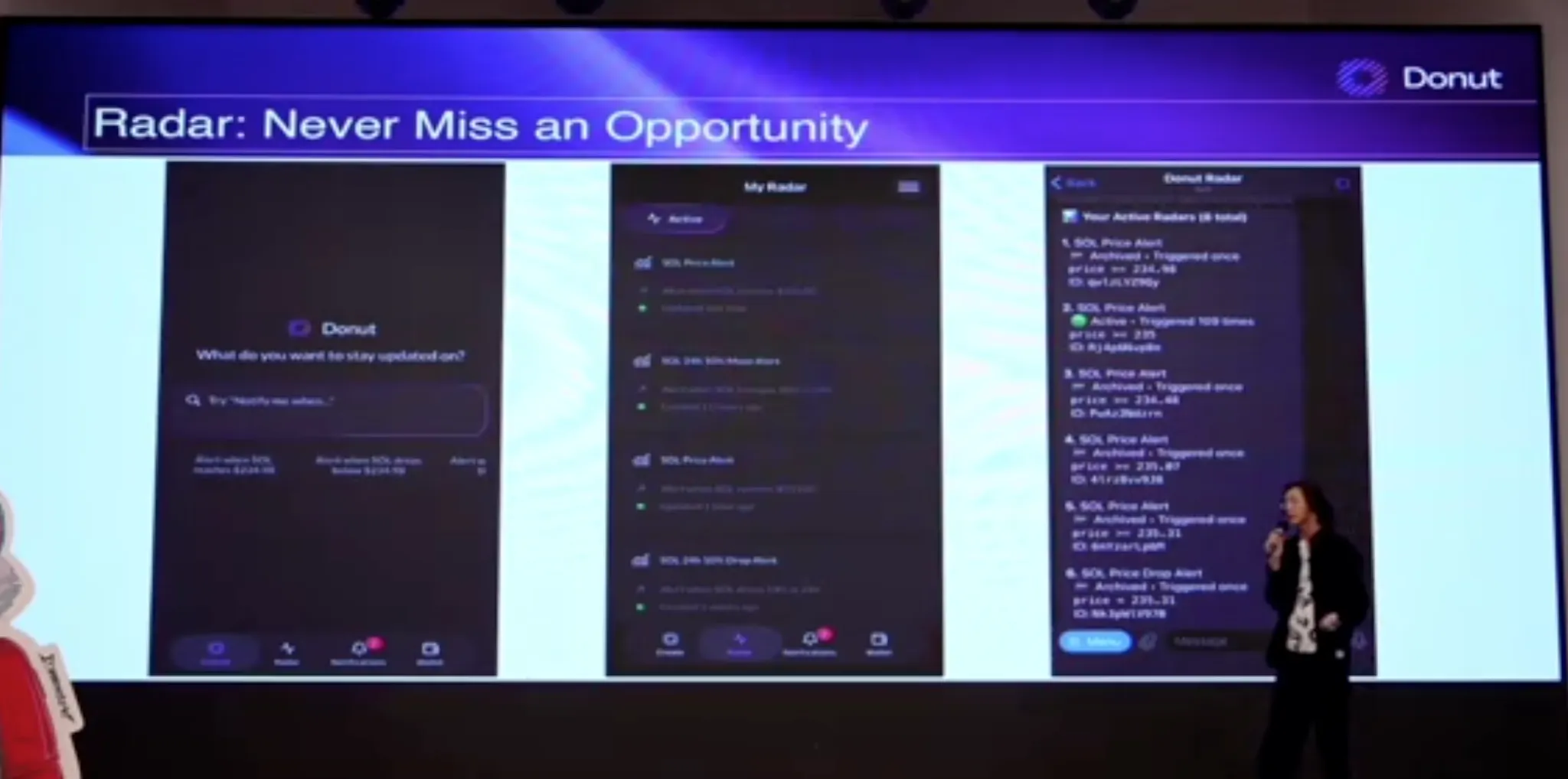
Looking ahead, Donut plans to evolve into a browser-based trading terminal where AI agents can directly propose quality trades suggestions, which users can review and execute instantly. The team is also preparing a mobile version, aiming to expand accessibility and usability across different devices.
Author’s Commentary (by Jay)
As more asset classes migrate on-chain and AI-driven analytical and technical tools advance rapidly, trading is expected to become an even more accessible and widely adopted activity. Within this trend, Donut Browser — by fetching real-time data through various LLM tools and providing personalized trading suggestions — could help a broader range of users engage in trading more easily and develop their own strategies.
However, since the product has not yet been officially launched, its ultimate success will likely depend on two critical factors: the quality and reliability of the aggregated data provided by AI agents, and the completeness of the trading UX centered around real user experience.
Overview
PayFi — a portmanteau of Payment and Financing — refers to a financial model that enhances transaction efficiency by introducing additional yield opportunities throughout the payment process. When powered by stablecoins, its potential applications expand dramatically — the most prominent being instant settlement. Traditional credit card transactions, for instance, require multiple intermediaries and days to finalize. In contrast, blockchain-based stablecoin payments can be completed on the same day, or even in near real time.
Another major use case lies in remittance and cross-border payments. Conventional remittance companies are structurally inefficient, as they must hold large reserves of idle liquidity. By leveraging stablecoins, however, capital efficiency can be dramatically improved - in fact, Huma has implemented a system for Amazon sellers that enables Asian merchants to receive immediate stablecoin payments once a customer transaction is completed in the U.S. or Europe. This model eliminates settlement delays, reduces reliance on intermediaries, and creates a transparent, instant payment environment for global commerce.
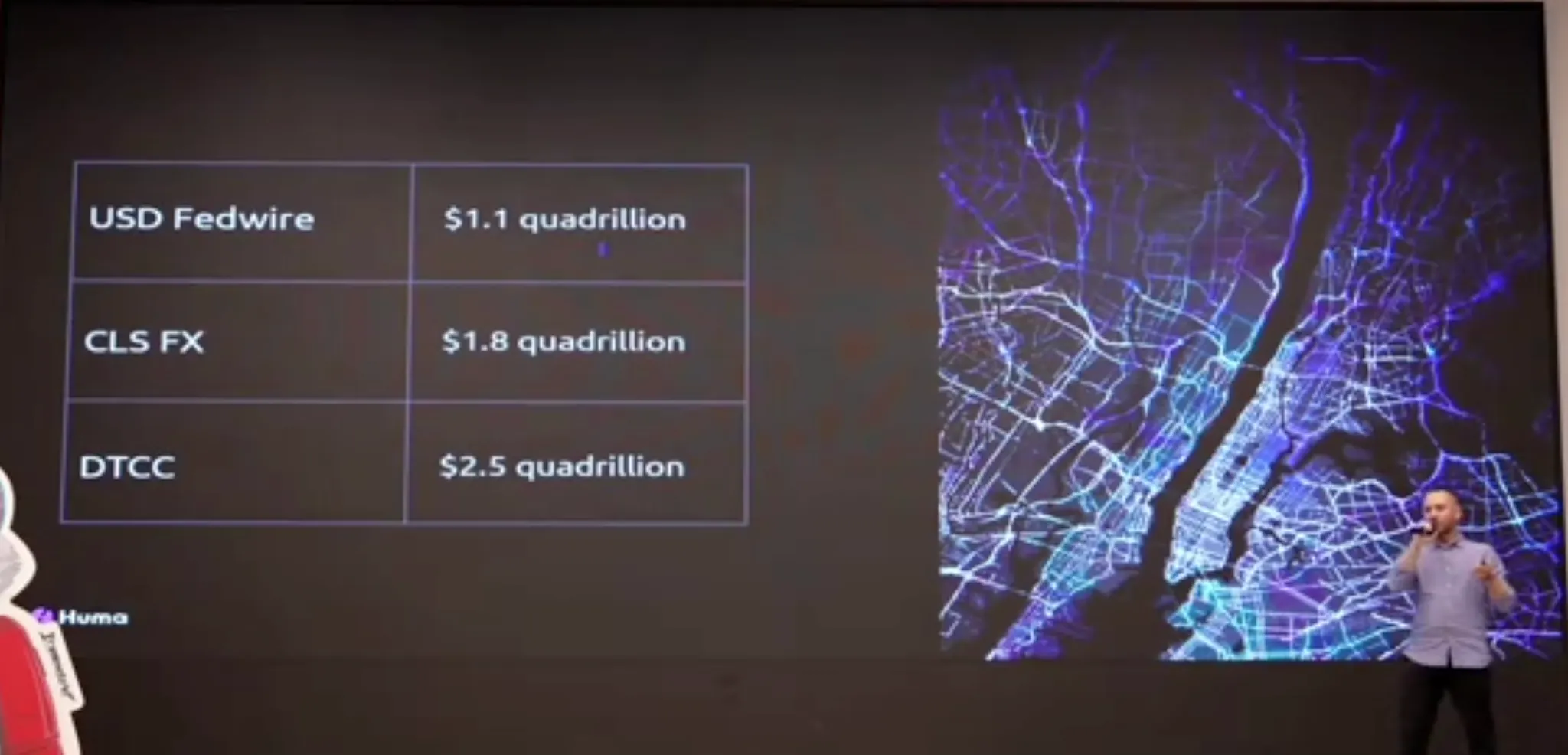
The implications go far beyond e-commerce. Similar mechanisms could be applied to supply chain finance, interbank transfers, and sovereign debt settlements, potentially integrating into existing payment infrastructures such as USD Fedwire, CLS FX, and DTCC.
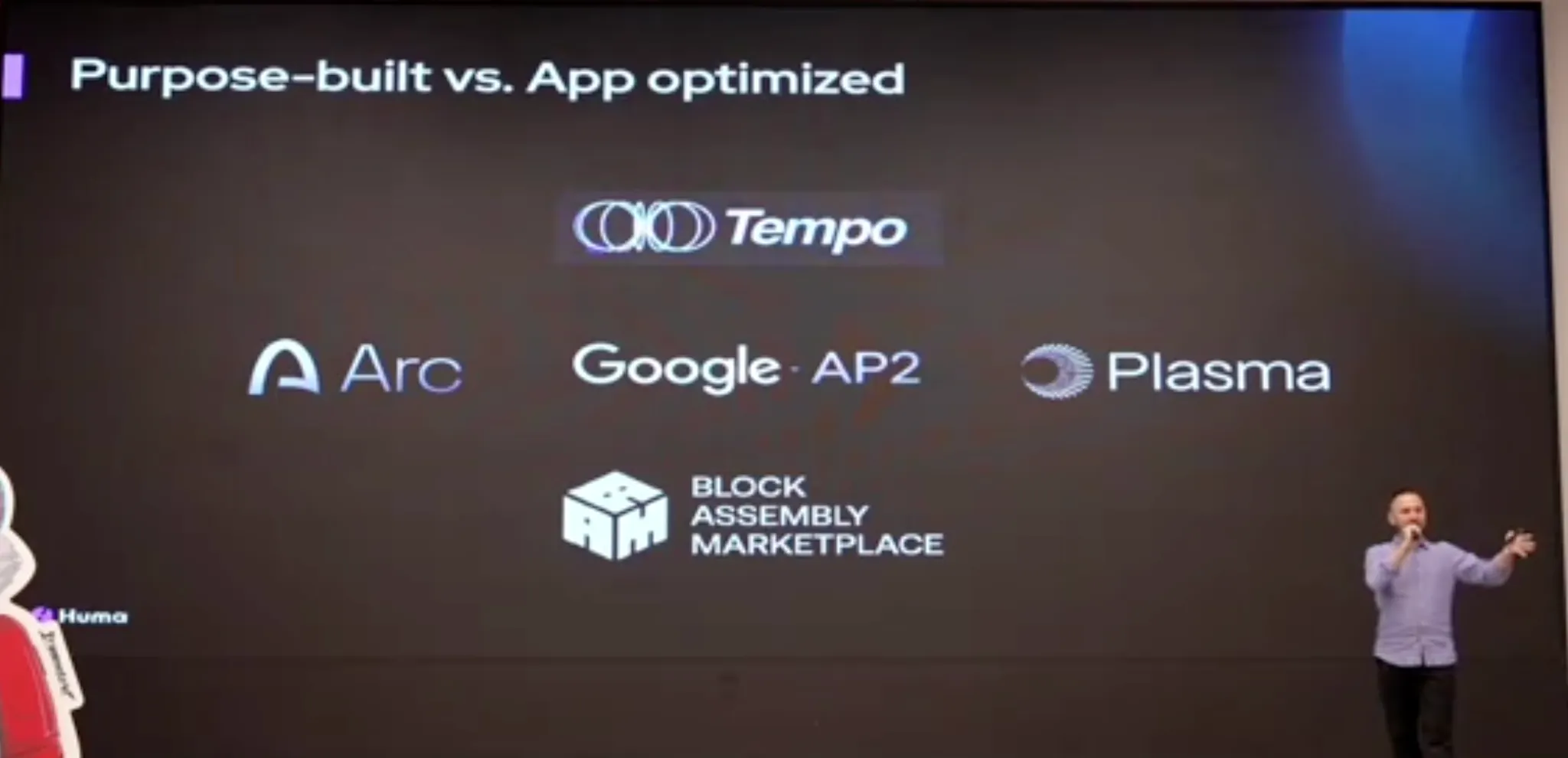
Driven by the rising potential of PayFi and stablecoins, several major fintech and payment players — including Tempo, Arc, AP2, and Plasma — are developing their own purpose-built PayFi networks.
Naturally, this also introduces new competitive dynamics for general-purpose blockchains like Solana. However, Solana’s Block Assembly Marketplace, a modular transaction layer, enables features such as gasless transactions, allowing it to support stablecoin-centric payments with the same performance functionalities as purpose-built networks — while still retaining the flexibility of a general ecosystem.
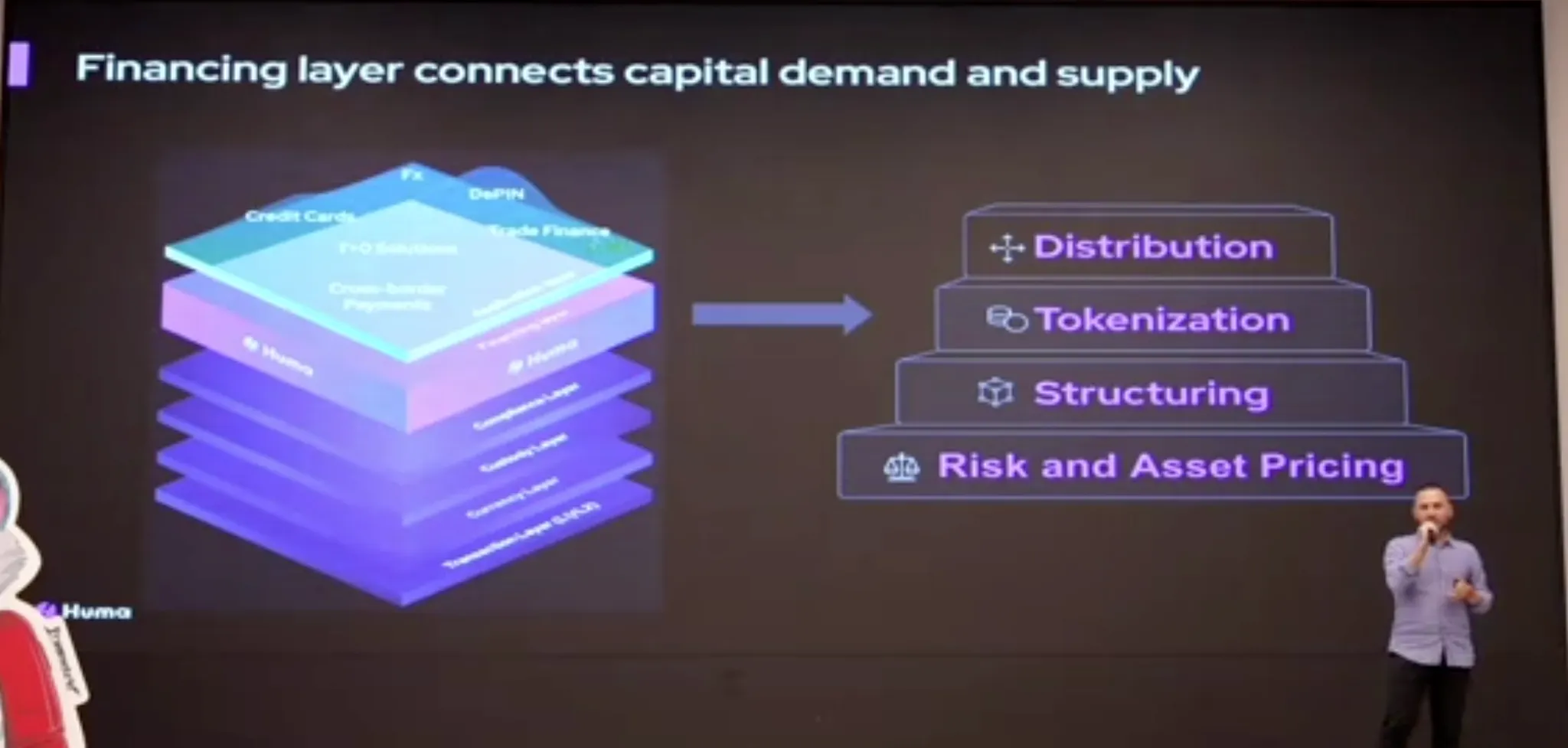
Built on Solana, Huma functions as the financing layer within the broader PayFi stack — much like how the Internet operates through layered architecture. Its mission is to resolve liquidity inefficiencies by transforming traditional T+3 settlement structures into same-day or real-time settlements.
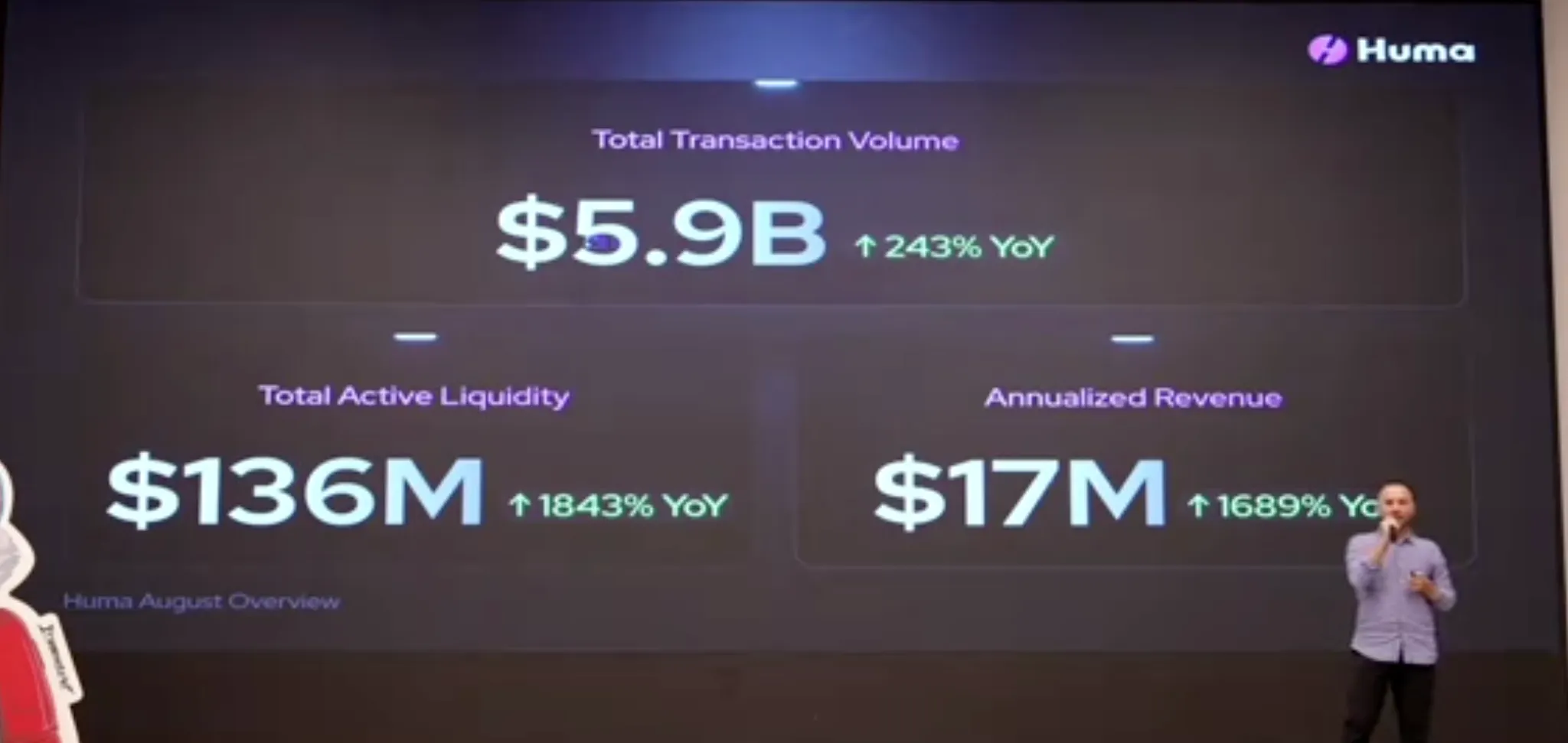
Since its launch on Solana, Huma’s PayFi transaction volume has more than tripled, accompanied by a substantial rise in liquidity and revenue. Anyone can participate in Huma’s strategy pools to provide stablecoin liquidity and earn additional yield, or tokenize their positions for use across various DeFi protocols — thereby enhancing composability and capital efficiency.
Beyond private enterprises like Visa, Mastercard, and PayPal, governments across the U.S., Europe, and Asia are also encouraging stablecoin-based PayFi models — both to stimulate sovereign bond demand (albeit to varying degrees) and to modernize their financial infrastructure. Looking ahead, as banks, governments, and global brands begin issuing their own stablecoins and as agentic payment systems gain traction, the stablecoin-driven payments ecosystem is expected to expand at an exponential pace.
Author’s Commentary (by Jay)
Stablecoin adoption — one of the most practical and impactful use cases for blockchain — is now being discussed and implemented globally. As Erbil noted, if major institutions and governments begin to integrate stablecoins into existing financial systems, either as replacements or complementary mechanisms, the market size could grow to an unprecedented scale.
In this optimistic trajectory, a significant inflow of stablecoin liquidity into on-chain environments for secondary utilization seems inevitable. This would not only create new opportunities for financial institutions and payment providers with unique use cases, but also generate strong demand within DeFi ecosystems pursuing greater capital efficiency. Within this context, Huma stands out as a leading on-chain liquidity infrastructure project positioned to benefit from these shifts.
That said, for Huma to achieve sustainable growth and reliable infrastructure, it must uphold strict underwriting standards, ensure precise alignment between depositor capital and payment flows, and demonstrate the agility to navigate rapidly evolving market and regulatory conditions. Mastery of these capabilities will be key for Huma to solidify its position as a foundational layer in the PayFi ecosystem.
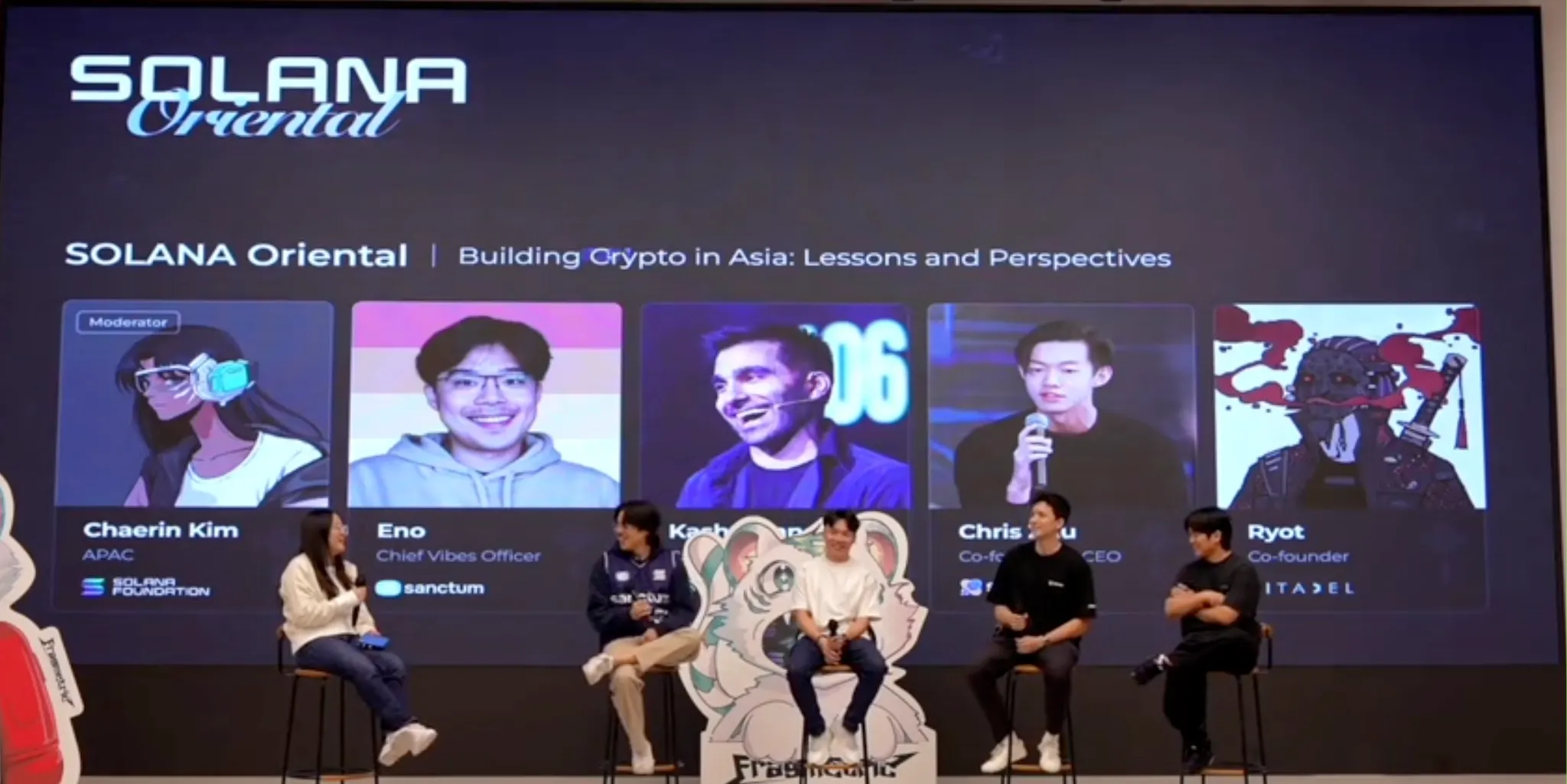
Overview
Building in Asia has come with its own mix of opportunities, challenges, and lessons. Asian builders are known for their dedication and work ethic, and the Solana community in particular has shown exceptional passion and energy. Recently, with growing discussions around regulatory clarity and the adoption of stablecoins, even traditional companies have started exploring crypto-native initiatives. Still, being geographically and culturally distant from mainstream hubs like New York makes survival in the fast-changing crypto landscape a constant challenge — one that requires agility, willingness to pivot, and proactive collaboration with partners across the ecosystem.
Language barriers also remain a significant hurdle for Asia-based founders aiming to go global. In order to compete on a global stage, communication — built on strong English proficiency — becomes indispensable. The crypto industry moves quickly, with trends and narratives shifting daily, so founders must continuously step into the public eye to articulate their vision and communicate their projects directly. This is not merely a matter of language but an essential part of establishing credibility and trust in a global market.
When it comes to expanding across Asia, the key lies in building strong local communities and collaborating with existing teams. Solana’s strong hackathon culture and relatively underdeveloped early infrastructure created abundant opportunities for partnerships. Community organizations like Superteam became catalysts for collaboration, while hiring local talent or forming dedicated regional teams proved to be highly effective strategies.
Conversely, for Korea(Asia)-based projects seeking to reach global audiences, the focus should be on positioning themselves as global projects rather than local ones — strong products naturally attract local traction. Collaborations with global teams, hosting IRL events, and joining incubator programs have all proven effective in expanding long-term networks and opportunities. Even during crises such as the FTX collapse, when sentiment toward Solana hit rock bottom, those who held firm to a clear vision and conviction ultimately demonstrated the most resilient and sustainable path forward, earning unwavering trust from the community through their consistency.
Author’s Commentary (by Jay)
This panel effectively captured the persistence, passion, and practical insights of Asian builders navigating the challenges of going global. The speakers shared a unified understanding of the importance of communication, networking, and strategic expansion from local foundations to global reach.
However, the discussion could have been even richer with concrete examples of how Asian teams are developing their own unique strengths — whether in technology, product design, or organizational culture — that give them a competitive edge globally. It also would have been valuable to hear directly from some of other engaged community members or local leads managing ecosystem growth in Korea along with builders themselves.
Dive into 'Narratives' that will be important in the next year


 Bitcoin
 Arch
Arch
 SBI
SBI

 Solana